
Halotherapy Reviews: What Guests Really Notice

Halotherapy Reviews: What Guests Really Notice

Some wellness experiences are hard to explain until you have sat down, settled into a chair, and felt the pace of your day finally soften. That is why halotherapy reviews can be so helpful. They offer a window into the details people care about most: how the salt cave feels, whether they leave more relaxed, and if the experience becomes part of their regular self-care routine.

At Relax, Release, Renew Salt Cave, we believe a session should feel personal from the moment you arrive. Whether you are looking for a quiet reset after a busy week, support for seasonal stuffiness, or a gentle way to care for dry, tired-feeling skin, salt therapy creates time and space to breathe, rest, and renew.

What halotherapy reviews tend to focus on

People come to a salt cave for different reasons, so their experiences naturally vary. A guest who arrives feeling overwhelmed may talk most about the calm of the room. Someone dealing with occasional congestion may pay closer attention to how open and comfortable their breathing feels after a session. Others notice how peaceful their skin feels or simply appreciate having an uninterrupted hour away from notifications, errands, and responsibilities.

The most meaningful reviews usually speak to the whole experience, not just one possible benefit. Guests often describe a soothing atmosphere, a sense of stillness, and the feeling that they were genuinely welcomed and cared for. In a boutique setting, those details matter. Comfortable seating, a peaceful environment, and thoughtful service can make restorative downtime feel easier to prioritize.

Many first-time visitors are also pleasantly surprised by how simple the experience is. You do not need to perform, keep up, or know anything about wellness trends. You arrive, get comfortable, breathe naturally, and let the session be a pause in your day.

A calmer state of mind

Stress relief is one of the most common themes in positive salt cave feedback. The gentle setting invites you to put down the mental list you have been carrying. For working professionals, caregivers, and anyone who spends much of the day meeting other people’s needs, that quiet can feel deeply restorative.

A salt cave session is not meant to solve every source of stress. It can, however, be a dedicated moment to step away from it. Some guests choose to close their eyes and rest. Others meditate, listen to calming sounds, or simply enjoy doing nothing for a little while. The right approach is the one that helps you feel most at ease.

Breathing and seasonal comfort

Halotherapy involves relaxing in a salt-filled environment where dry salt particles are dispersed into the air. Many guests seek it out during allergy seasons, after time around dust or irritants, or when they simply want to support a clear, comfortable breathing routine.

Reviews often describe feeling refreshed or noticing that breathing feels easier after a session. Those experiences are personal, and results can depend on the individual, the season, and the reason for visiting. Salt therapy is a wellness service, not a replacement for medical care, diagnosis, or treatment. If you have a respiratory condition, are ill, or have concerns about whether a session is right for you, it is wise to speak with your healthcare provider first.

That balance matters. A thoughtful review does not promise a miracle. It shares an honest experience: perhaps a guest left feeling more comfortable, more rested, or more encouraged to make time for their well-being.

Skin that feels cared for

Dry air, changing weather, and daily routines can leave skin feeling dull or thirsty. Some halotherapy guests are drawn to the mineral-rich salt environment as part of a broader skin-care ritual. They may pair a relaxing session with nourishing body care at home, especially when they want a small but meaningful way to care for themselves between appointments.

Skin experiences differ just as respiratory experiences do. A salt cave session may feel refreshing, but it is not a cure for eczema, psoriasis, or other skin conditions. Guests with sensitive skin or a diagnosed condition should take their individual needs into account. The goal is gentle self-care, not pressure to expect the same outcome as someone else.

How to read halotherapy reviews with confidence

A helpful review gives you a sense of what the guest came in hoping for and what they noticed afterward. It may mention the warmth of the welcome, the cleanliness of the space, the comfort of the seating, or how easy the booking process felt. These practical details are often more useful than broad statements alone because they tell you what the visit may actually be like.

Look for patterns rather than one dramatic claim. If several guests mention feeling relaxed, cared for, and comfortable in the space, that suggests the environment consistently delivers on its promise. If guests return regularly, that can also signal that the experience fits naturally into their wellness routine.

It is equally helpful to remember that a first visit may feel different from a repeat visit. Some people feel the benefit of simply slowing down right away. Others prefer to make salt therapy an ongoing practice, especially during stressful stretches or seasonal changes. There is no required schedule. A session can be a special treat, a monthly reset, or one supportive piece of a larger self-care plan.

What a first salt cave visit feels like

For many newcomers, the biggest question is whether a salt cave will feel intimidating. It should not. A well-hosted session is quiet, approachable, and designed around your comfort. You can wear comfortable clothing, arrive a few minutes early, and allow yourself to settle in without rushing.

The salt cave environment is intentionally peaceful. You may notice the salt underfoot, the soft lighting, and a welcome break from the outside world. As the session begins, there is nothing you need to achieve. You are simply giving your body and mind permission to rest.

It can help to set a modest intention before you arrive. Maybe you want to leave less tense than you felt walking in. Maybe you want a quiet place to take a full breath. Maybe you are choosing an hour that belongs only to you. Small intentions often lead to the most satisfying experiences because they let you receive the session without demanding too much from it.

Is halotherapy right for your wellness routine?

Halotherapy may be a lovely fit if you are craving calm, looking for a non-invasive wellness experience, or building more intentional moments of rest into your schedule. It can also complement other self-care habits, such as staying hydrated, taking walks, using gentle body products, getting enough sleep, and making room for quiet.

It may not be the right choice on every day or for every person. If you are experiencing an acute illness, have medical questions, or are unsure about a salt therapy session, pause and get guidance from a qualified healthcare professional. Listening to your body is part of caring for it.

The best halotherapy reviews are not really about chasing a perfect result. They are about people remembering how good it feels to be looked after, to breathe a little more deeply, and to leave a peaceful room carrying less of the day with them. When you are ready for that kind of pause, give yourself permission to book it.

Respiratory Wellness Treatments for Easier Days

Respiratory Wellness Treatments for Easier Days

A stuffy nose can make an ordinary day feel surprisingly heavy. So can seasonal irritation, dry indoor air, or the lingering feeling that a full breath takes more effort than it should. Respiratory wellness treatments offer a gentle way to create space for comfort, relaxation, and a more intentional self-care routine – especially when you want support that feels calming rather than clinical.

For many people around Mechanicsville and Richmond, the appeal is not about finding a quick fix. It is about stepping away from the noise, settling into a peaceful environment, and giving the body a chance to reset. Salt therapy, hydration, rest, and thoughtful daily habits can all have a place in that kind of care.

What respiratory wellness treatments can support

Respiratory wellness is personal. One person may be looking for seasonal sinus comfort, while another simply wants relief from the dry, congested feeling that can come with travel, office air, or Virginia’s changing weather. Others are drawn to the deep relaxation that comes from sitting quietly and breathing without interruption.

Treatments designed around respiratory wellness often focus on creating a cleaner-feeling, more comfortable breathing experience while encouraging the nervous system to slow down. They can be especially appealing during allergy season, after time around dust or environmental irritants, or when stress has left you feeling tense from your shoulders to your chest.

That said, wellness services are not a replacement for medical care. If you have asthma, COPD, an active respiratory infection, unexplained shortness of breath, severe allergies, or another diagnosed condition, speak with your healthcare provider about what is appropriate for you. A wellness session should feel like supportive self-care, not something you have to push through.

Salt therapy: a quiet approach to respiratory wellness

Halotherapy, often called dry salt therapy, takes place in a salt-filled environment designed for rest. During a session, a halogenerator disperses tiny dry salt particles into the air while you relax in a comfortable chair. There is no effort required. You simply settle in, breathe normally, and allow yourself time away from screens, errands, and expectations.

People often choose salt therapy because it feels natural, peaceful, and easy to add to a wellness routine. Dry salt has long been valued for its ability to help create a fresh, open feeling in the airways and to support a more comfortable respiratory experience. Some guests notice that they feel less stuffy after a session; others value the quiet time just as much as the physical sensation.

Results vary, and one visit can feel different from the next. Your comfort may depend on the season, your hydration, your current level of congestion, and how consistently you make restorative care part of your life. Think of halotherapy as a supportive ritual, much like making time for a massage, a walk outdoors, or a good night’s rest.

At Relax, Release, Renew Salt Cave, the setting is part of the experience. A dedicated salt cave session gives you permission to pause in a tranquil boutique space, where the goal is simple: leave feeling more rested, cared for, and connected to your own well-being.

What a salt cave session feels like

Your first session does not need to feel mysterious. You arrive, get comfortable, and spend your appointment in a calming salt cave environment. Many guests bring a quiet mindset with them – perhaps after a demanding workday, a week of caring for everyone else, or a stretch of restless sleep.

You may notice the subtle salt air, a peaceful stillness, and the welcome absence of having to do anything at all. Some people read or meditate if the setting allows, while others close their eyes and enjoy the pause. Comfortable clothing is usually best, and drinking water before and after your visit is a simple way to support your overall comfort.

A session may leave you feeling relaxed, clear-headed, or ready for a more restful evening. Those are meaningful outcomes on their own. When self-care becomes a regular practice rather than an occasional rescue plan, it can be easier to notice what helps your body feel its best.

Pairing treatments with everyday breathing support

The most helpful respiratory wellness treatments fit into real life. A salt cave session can be a beautiful anchor, but your daily environment and routines matter too. Small choices can help preserve that refreshed feeling between appointments.

Start with the basics: drink enough water, particularly when heating or air conditioning makes the air feel dry. Prioritize sleep when you can, because fatigue can make every discomfort feel more intense. If seasonal concerns are part of your routine, changing clothes after spending extended time outdoors and keeping your home environment clean may also help you feel more comfortable.

Stress deserves attention here, too. It does not cause every breathing concern, but it can change the way breathing feels. When your shoulders stay lifted, your jaw is clenched, and your mind is racing, breaths often become shallower. A few quiet minutes, gentle stretching, or time in a relaxing wellness setting can encourage your body to soften its grip.

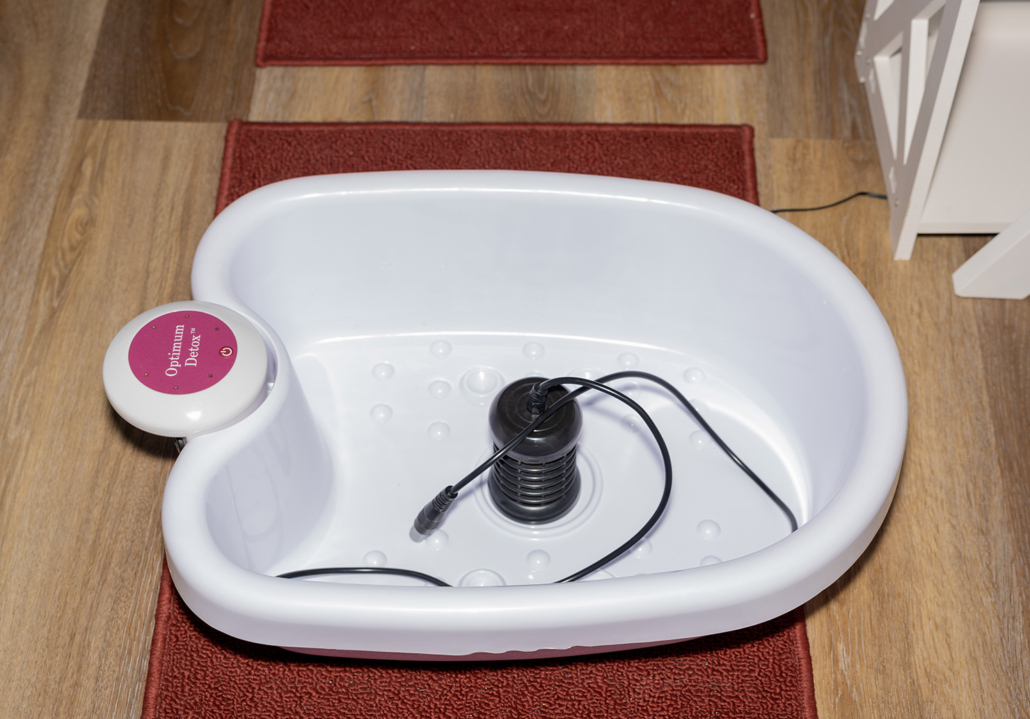
For guests who are craving a fuller reset, complementary services can add another layer of care. An ionic foot detox session may feel like a restorative ritual when you want focused downtime, while salt-based body scrubs extend the sensory comfort of your visit into your shower routine. These services do different things, but they share a helpful purpose: they invite you to slow down and care for yourself with intention.

Choosing the right treatment for your needs

There is no single best choice for everyone. If congestion and seasonal discomfort are at the top of your mind, a longer salt cave session may be the experience you want most. If your schedule is packed, an express halotherapy pop-up can be an approachable way to try dry salt therapy without setting aside as much time.

If you are primarily burned out, tense, or overdue for a break, choose the service that gives you the most room to rest. The respiratory benefits of a peaceful session can be part of the picture, but you do not need to justify relaxation with a packed agenda. Rest is worthwhile because you are worthwhile.

It can also help to consider consistency. A single treatment can feel lovely, especially before a busy week or during a season when you need extra care. Regular visits may be a better fit if you are building a more dependable wellness rhythm. Pay attention to how you feel afterward, what your schedule allows, and whether you enjoy the experience enough to make it a habit.

When to pause and seek medical guidance

Wellness care works best alongside good judgment. Skip a salt therapy appointment if you are feeling acutely ill, have a fever, or may be contagious. Check with a healthcare professional before booking if you are pregnant, have a serious heart or lung condition, have recently had surgery, or have concerns about whether dry salt therapy is right for you.

Seek prompt medical care for chest pain, significant trouble breathing, bluish lips or face, fainting, or symptoms that worsen quickly. Those signs call for medical attention, not a wellness appointment. Clear boundaries make it easier to enjoy supportive services with confidence.

Make room for a calmer breath

Respiratory wellness does not have to be complicated. Sometimes it begins with an hour that belongs only to you: a quiet chair, gentle salt air, a glass of water afterward, and the feeling of leaving with less tension than you carried in. Whether you are looking for seasonal comfort or simply a softer place to land, choosing time to breathe and renew is a caring step forward.

A Pop Up Halotherapy Review for First-Timers

A Pop Up Halotherapy Review for First-Timers

A busy afternoon does not always leave room for a full spa day. Sometimes, what you need is a quiet chair, a few uninterrupted minutes, and a chance to breathe without another demand waiting on the other side of the door. This pop up halotherapy review is for anyone wondering whether an express salt session can offer a meaningful reset in a shorter window.

Pop-up halotherapy is designed to bring a portion of the salt-room experience into a convenient, approachable format. It is not meant to replace medical care, diagnose a condition, or promise a cure. It is a wellness service centered on dry salt air, comfortable rest, and the simple relief of stepping away from the rush for a little while.

What is a pop-up halotherapy session?

Halotherapy, often called dry salt therapy, uses a halogenerator to disperse fine, dry salt particles into the air. In a pop-up setting, the experience is generally shorter and more flexible than a traditional salt cave appointment. You may see it offered at a wellness event, workplace gathering, private function, or as an express service at a studio.

The appeal is easy to understand. Instead of planning a long outing, you can settle in for a brief session that fits between errands, appointments, or a demanding workday. The atmosphere should still feel calm and cared for: a comfortable seat, a chance to rest, and an invitation to put your phone down for a few minutes.

For many first-timers, the question is less about the equipment and more about the feeling. Will it actually feel relaxing? The honest answer is that it depends on what you need that day. If you arrive hoping for a quiet pause and a light, refreshed feeling, an express session can be a lovely fit. If you are craving deep rest and unhurried time, a longer salt cave visit may better match the moment.

Pop up halotherapy review: what the experience feels like

The first thing many guests notice is the stillness. A pop-up service may be held in a more compact space than a dedicated salt cave, but the best sessions still create a sense of separation from the noise around you. You sit back, breathe normally, and let yourself be off duty.

The air may feel dry and lightly salty. Some people notice a subtle salt taste on their lips or a gentle tickle in the nose or throat, especially if they are not used to dry salt air. This is usually a mild part of the experience, not something that should feel harsh or overwhelming. Drinking water before and after your session can help you feel comfortable.

Guests often describe the most immediate benefit in simple terms: they feel calmer. That may come from the setting, the quiet breathing, the uninterrupted rest, or the ritual of choosing self-care in the middle of a full day. People dealing with occasional stuffiness, seasonal discomfort, dry-feeling skin, or general stress may be especially drawn to salt therapy as part of their wellness routine, though each person’s experience is personal.

A pop-up session is also low-pressure for newcomers. You do not have to know anything about halotherapy before you arrive. You simply need comfortable clothing, an open mind, and permission to relax.

The biggest benefit is convenience

The strongest reason to try pop-up halotherapy is that it lowers the barrier to making time for yourself. Wellness routines often fall apart because they feel like another complicated task. An express salt session offers a simpler alternative: show up, get comfortable, breathe, and return to your day feeling more grounded.

That convenience can be especially valuable for working professionals, caregivers, and anyone who tends to place their own needs at the bottom of the list. A short session may not solve every source of stress, but it can create a healthier pause in a packed schedule. Sometimes the act of stopping is part of the care.

It can also be a thoughtful introduction for those who are curious about a full salt cave experience but prefer to start small. You can get familiar with the dry salt environment and decide whether longer sessions belong in your regular self-care rhythm.

What an express session cannot do

A clear review should include the trade-offs. Pop-up halotherapy is convenient, but it is brief. It may not provide the same immersive, transportive feeling as settling into a dedicated salt cave room where the lighting, seating, and pace are intentionally designed for deeper relaxation.

The location matters, too. A private, quiet event space may feel wonderfully restorative, while a busy public event can come with more background noise and movement. If your goal is a serious mental reset, ask what the setup will be like before you book. If your goal is to sample salt therapy during a fun wellness event, the pop-up format may be exactly right.

It is also wise to keep expectations realistic. Halotherapy is a complementary wellness experience, not a substitute for medical guidance. If you have a respiratory condition, are managing a health concern, are pregnant, or have questions about whether dry salt therapy is appropriate for you, check with a qualified healthcare professional first. If you feel unwell during a session, let the provider know right away.

How to get more from your pop-up session

Treat the appointment like a small boundary around your own well-being. Arrive a few minutes early when possible, so you are not carrying the rush of the parking lot straight into the chair. Put your phone on silent. Let the session be short without letting it become distracted.

Wear clothing that allows you to relax comfortably. You do not need special gear, and you do not need to force a breathing technique. Just breathe naturally. If you have been outside in pollen, dust, or the heat all day, the quiet indoor pause may feel especially welcome.

Afterward, give yourself a little room to notice how you feel. Have water, take a few unhurried breaths before getting back in the car, and resist the urge to immediately fill the space with another task. Pairing the session with a gentle evening routine, a warm shower, or a favorite salt-based body scrub can extend that cared-for feeling at home.

Who may enjoy pop-up halotherapy most?

This format is a natural fit for someone who is wellness-curious but not ready to commit to a longer appointment. It can also work well for a friend date, a team wellness event, or a midday self-care break when a full treatment is not practical.

It may be less satisfying for someone seeking complete quiet, significant personal space, or a long stretch of restorative downtime. In that case, consider a full salt cave session instead. At Relax, Release, Renew Salt Cave, guests can choose the experience that best suits their schedule, whether they need a quick express moment or more time to settle into calm.

The value of a pop-up experience is not measured only by minutes on the clock. It is measured by whether you leave feeling that you gave yourself a little room to breathe. For many people, that small act of care is enough to shift the tone of the whole day.

Halotherapy Breathing Techniques for Easier Sessions

Halotherapy Breathing Techniques for Easier Sessions

A salt cave session is one of the few places where doing less can feel deeply productive. The room is quiet, the air is calm, and there is nowhere you need to be except in your own body. Gentle halotherapy breathing techniques can help you make the most of that time, especially when you arrive feeling congested, overstimulated, tired, or simply ready for a reset.

At Relax, Release, Renew Salt Cave, we encourage guests to treat their session as personal time rather than another task to complete. There is no complicated breathing routine to memorize. The goal is to become comfortable, breathe naturally, and let the peaceful setting support a slower pace.

Start With Your Natural Breath

The best place to begin is with the breath you already have. Once you are settled into your chair, let your shoulders soften and notice whether you are holding tension in your jaw, chest, or stomach. Many of us breathe high in the chest when we are rushing through the day, even if we do not realize it.

Rather than forcing a big inhale, allow your breath to become easy and unhurried. Breathe in through your nose when it feels comfortable, then let the air leave gently through your nose or mouth. Your body does not need to perform. A quiet, steady rhythm is enough.

This approach is especially helpful for first-time salt cave guests. Trying too hard to take deep breaths can create tension or leave you lightheaded. Think soft and spacious instead of deep and dramatic. If your nose feels stuffy, simply breathe through your mouth without judgment. Comfort comes first.

A Simple Halotherapy Breathing Technique to Try

When you feel settled, try a relaxed belly-breath pattern. Place one hand over your lower abdomen if that feels natural. As you inhale, allow your belly to rise slightly. As you exhale, let it soften again. There is no need to count, but a slightly longer exhale can encourage a more restful feeling.

For example, breathe in gently for about three seconds, then breathe out for four or five. Keep the breath smooth rather than holding it at the top or bottom. Continue for a few rounds, then return to normal breathing.

This is one of the most approachable halotherapy breathing techniques because it is easy to adapt. On a day when your sinuses feel clear, you may prefer nasal breathing. On a day when seasonal discomfort makes that difficult, a comfortable mouth breath is perfectly fine. The salt cave is a place to listen to your body, not override it.

Let the Exhale Do the Work

A longer, unforced exhale is often the most calming part of breathwork. It can help shift your attention away from your to-do list and back toward the present moment. Try imagining that each exhale is an invitation to release a little of the tension you carried in with you.

You might release the tightness in your shoulders, the pressure behind your eyes, or the mental noise that followed you from work, family responsibilities, and errands. You do not have to solve anything during your session. You only need to give yourself permission to pause.

Breathing Through Sinus Congestion

Many guests seek halotherapy as part of a wellness routine when dry indoor air, seasonal changes, or everyday congestion leave them feeling less than their best. It is common to wonder whether you should breathe only through your nose to get the full experience. The answer is simple: breathe in the way that feels most comfortable.

If nasal breathing is easy, use it. If one side feels blocked or your nose feels irritated, relax your mouth and take gentle breaths that way instead. Switching between nose and mouth breathing is fine. Forcing air through a congested nose can make you tense, which works against the restorative atmosphere you came to enjoy.

It can also help to arrive well hydrated. Sip water before and after your appointment, particularly if you tend to feel dry. Some guests notice mild throat dryness or a tickle that makes them want to cough during a salt session. Usually, slowing down and taking a small sip of water afterward is all that is needed. If you feel uncomfortable at any point, let your session provider know.

Give Yourself Time to Settle

The first few minutes of a salt cave session can feel surprisingly unfamiliar. You may be used to filling quiet moments with a phone, a podcast, or a conversation. In a peaceful room, your thoughts may initially seem louder. That is normal.

Instead of chasing away every thought, use your breath as a gentle point of return. Notice the coolness of an inhale. Notice the release of an exhale. If your mind wanders to tomorrow’s schedule, return to one simple phrase: “I can rest here.”

Some guests enjoy closing their eyes. Others prefer to keep them open and take in the soft glow of the room. Both are welcome. The right choice is the one that helps you feel safe, comfortable, and cared for.

What to Avoid During a Salt Cave Session

Breathing should never feel like a strain. Avoid fast, forceful breathing, long breath holds, or any technique that makes you dizzy, anxious, or tight in the chest. A salt cave is not the setting for intense breathwork challenges. It is a setting for calm.

Try not to judge your experience by how much you can feel in one session. Some people settle in immediately, while others need a few visits before the quiet becomes familiar. Your experience may also change from visit to visit depending on sleep, stress, hydration, allergy season, or how busy life has been.

If you have a respiratory condition, are experiencing significant symptoms, or have questions about whether halotherapy is appropriate for you, speak with your healthcare provider. Salt therapy is a supportive wellness experience and is not a replacement for medical care or prescribed treatment.

Make Your Visit a Small Ritual

A little preparation can make your session feel even more restorative. Arrive a few minutes early so you are not rushing in from the parking lot. Wear comfortable clothing that lets your chest and abdomen move easily. Silence your phone, not because you have to be unreachable, but because you deserve a pocket of time that belongs only to you.

Afterward, resist the urge to race straight into the next thing. Take a few slow breaths before getting in your car. Notice whether your body feels softer or your mind feels quieter. If you can, extend the experience at home with a warm shower, a gentle evening routine, or a nourishing salt-based body scrub that turns ordinary self-care into a moment of renewal.

The most meaningful halotherapy breathing techniques are often the least complicated: breathe comfortably, soften your exhale, and allow yourself to be still. Your next salt cave session can be more than time away from the noise. It can be a kind reminder that caring for yourself does not need to be complicated to matter.

Your Personal Guide to Salt Cave Benefits

Your Personal Guide to Salt Cave Benefits

A salt cave is not a place to rush through. It is a quiet pause from packed calendars, dry indoor air, and the feeling that your body has been running on empty. This guide to salt cave benefits explains what people enjoy about halotherapy, what a session feels like, and how to approach your visit with comfortable, realistic expectations.

For many guests, the appeal begins with the setting: a softly lit room, a restful chair, and time that belongs entirely to them. Salt therapy can be a gentle addition to an existing self-care routine, especially when stress, seasonal congestion, or dry skin has made it harder to feel refreshed.

What happens during a salt cave session?

Halotherapy, often called dry salt therapy, involves relaxing in a room where a halogenerator disperses very fine salt particles into the air. Unlike a steamy salt bath or a saltwater soak, the salt cave environment is dry. You simply settle in, breathe normally, and let the session become a period of stillness.

At Relax, Release, Renew Salt Cave, the experience is designed to feel personal and welcoming rather than clinical. There is nothing you need to perform or get right. Most guests wear comfortable clothing, silence their phones, and allow themselves to rest.

A session can feel different from one person to the next. Some people notice the calming atmosphere first. Others appreciate how their breathing feels after time in the salt cave or enjoy the softness and clarity they associate with regular visits. Think of it as supportive wellness care, not a quick fix or a replacement for medical treatment.

Guide to salt cave benefits: what guests may notice

Salt cave benefits are often discussed in three connected areas: respiratory comfort, skin-focused self-care, and relaxation. Your experience will depend on your body, your routine, and what brings you in that day.

A refreshing ritual for breathing comfort

Dry salt therapy is especially popular during allergy season, after long days around dust or indoor air, and when you simply want to feel less weighed down by congestion. Fine salt particles may help support the natural clearing process of the airways, which is why some guests choose sessions as part of their seasonal wellness routine.

If you deal with ongoing sinus concerns, allergies, asthma, or another respiratory condition, it is wise to speak with your health care provider before trying halotherapy. A salt cave can complement your personal wellness plan, but it should not replace prescribed medication, urgent care, or professional guidance.

Some people feel a little more coughing, throat clearing, or nasal drainage during or after an early session. That can happen as the dry salt environment encourages a clearing response. Water, rest, and paying attention to how you feel can make the experience more comfortable.

Gentle support for dry or stressed-looking skin

Skin often reflects what the rest of life has been asking of us. Cold weather, air conditioning, stress, travel, and daily exposure to irritants can leave it feeling dry, tight, or dull. Many guests are drawn to salt therapy because salt is known for its cleansing, exfoliating qualities and because the quiet setting encourages them to slow down and care for themselves.

Halotherapy is not a cure for eczema, psoriasis, acne, or other skin conditions. Still, some visitors feel that regular salt cave sessions fit well alongside a thoughtful skin-care routine. Following your session with a nourishing salt-based body scrub or moisturizer can extend that cared-for feeling at home, particularly on areas like elbows, knees, hands, and feet.

If your skin is cracked, actively irritated, or sensitive to salt, begin gently. A patch test with a new body product and advice from a dermatologist can help you make choices that are right for your skin.

A true break for an overloaded nervous system

The most immediate benefit for many guests is simple: they get to stop. The low-stimulation setting offers a welcome contrast to notifications, responsibilities, and the steady hum of everyday life. You are not expected to answer anyone, solve anything, or make the next decision.

That quiet time may help you feel calmer, more grounded, and better able to return to your day with a clearer head. The salt itself is only one part of the experience. The comfortable space, unhurried pace, and permission to rest matter, too.

For working professionals, caregivers, and anyone who tends to place their own needs last, scheduling restorative time can be a practical form of self-care. A single visit may feel wonderfully relaxing. Consistent visits are often what turn that relief into a dependable wellness ritual.

What to expect before, during, and after your visit

Come hydrated and wear comfortable clothes that allow you to settle in fully. Many guests prefer to avoid heavy fragrances before their appointment so the room remains pleasant for everyone. If you are visiting after a busy workday, give yourself a few extra minutes beforehand so you do not carry the rush of the parking lot into your session.

During your time in the cave, breathe naturally and get comfortable. You may read, meditate, listen quietly, or simply close your eyes. There is no need to take deep breaths if that feels forced. The goal is ease.

Afterward, drink water and notice how you feel. Some guests leave feeling deeply relaxed, while others feel more alert and refreshed. If you experience dryness in your nose or throat, hydration is helpful. For a special event, you may want to schedule your first salt cave session a few days in advance rather than on the same day, just so you know how your body responds.

How often should you visit a salt cave?

There is no single schedule that works for everyone. A one-time session can be a lovely reset before a demanding week, after travel, or whenever you need an hour of quiet. If you are interested in ongoing respiratory comfort, skin support, or stress relief, regular appointments may feel more meaningful over time.

Consider what you want from the experience. Someone seeking a monthly self-care ritual may choose a different rhythm than someone navigating a challenging allergy season. Start with a pace that feels manageable, then adjust based on how you feel afterward. Consistency should feel nourishing, never like another obligation on your calendar.

When salt therapy may not be the right choice

A salt cave is intended to be relaxing, but it is not appropriate for every situation. Check with a medical professional before booking if you are pregnant, have a serious respiratory or heart condition, are managing an acute illness, or have concerns about a health condition or medication. If you have a fever, a contagious infection, or are feeling significantly unwell, it is best to rest at home and reschedule.

Honest expectations make the experience better. Halotherapy may support comfort and relaxation, but individual results vary. The most meaningful measure is not a promise of perfection. It is whether you leave feeling cared for, calmer, and more connected to what your body needs.

Give yourself permission to treat the appointment as more than an item on a wellness checklist. Set aside a little quiet time afterward, take the slower route home if you can, and let that sense of renewal stay with you a while.

Salt Body Scrub Review: Is It Worth It?

Salt Body Scrub Review: Is It Worth It?

A good salt body scrub changes the feel of an ordinary shower. It gives you a few quiet minutes to slow down, massage away roughness, and step out feeling smoother from shoulders to heels. In this salt body scrub review, we are looking beyond the pretty jar to what truly makes a scrub worth bringing into your self-care routine.

For many people, the best part is not dramatic or complicated. It is the clean, refreshed feeling after rinsing, followed by skin that feels soft enough that you want to keep touching it. But salt scrubs are not one-size-fits-all. The grain size, oil blend, fragrance, and the way you use it all matter.

What a Salt Body Scrub Does Well

Salt is a physical exfoliant, meaning the crystals help lift away the dry, dull surface cells that can make skin feel rough. Used gently, a body scrub can leave areas like elbows, knees, legs, feet, and upper arms feeling noticeably smoother. The massage itself can also turn a rushed shower into a calming reset.

The experience often comes down to the balance between exfoliation and moisture. A scrub with only harsh, dry crystals may feel overly abrasive and leave skin feeling tight. A well-made salt scrub pairs the salt with nourishing oils, so the crystals polish the skin while the oils leave behind a comfortable, conditioned finish.

That balance is especially welcome when dry indoor air, frequent shaving, summer sun, or long workdays have left your skin feeling neglected. It is simple care, but it can feel deeply restorative.

Salt Body Scrub Review: What to Look For

When choosing a salt body scrub, start with texture. Fine salt crystals tend to feel gentler and are a comfortable choice for regular body exfoliation. Larger crystals can provide a more vigorous scrub, which some people enjoy on tougher areas such as heels and knees. They may be too intense for sensitive skin or for areas that have recently been shaved.

Next, notice the oil content. After you stir the product, does it look richly blended rather than dry and crumbly? Oils such as coconut, jojoba, almond, or sunflower oil can help the scrub glide across damp skin instead of dragging. They also help create that soft, lightly moisturized feeling after you rinse.

Scent matters, too, though personal preference should lead the decision. A soft, spa-like fragrance can make your shower feel like a small escape. If you are sensitive to fragrance or prefer to layer your own lotion or perfume afterward, a lightly scented or fragrance-free option may be the better fit. A beautiful scent is a bonus, not a reason to ignore how your skin responds.

Finally, consider what the product leaves behind. A quality scrub should rinse cleanly while leaving skin comfortable, not coated in a heavy film. Some oils will naturally make the tub or shower floor slippery, so take an extra moment to rinse the surface before stepping out.

The Skin Feel You Can Expect

After one use, most people notice an immediate improvement in smoothness. Skin can look brighter because the rough, flaky layer has been gently buffed away, and moisturizer may apply more evenly afterward. This is why a salt scrub feels especially satisfying before a special event, a vacation, or a relaxing at-home evening.

The longer-term benefit is consistency, not aggressive scrubbing. Using a gentle scrub once or twice a week can help maintain soft-looking skin without asking too much of your skin barrier. More is not always better. If your skin feels stinging, unusually dry, or irritated after exfoliating, scale back the pressure, frequency, or choose a finer-textured formula.

A salt scrub is best thought of as body care rather than a treatment for every skin concern. It can support smoothness and a cared-for feeling, but it will not replace sunscreen, daily moisture, or professional guidance for ongoing irritation or a skin condition.

How to Use a Salt Scrub Without Overdoing It

Use your scrub near the end of a warm shower, when your skin is damp and softened. Scoop out a small amount with clean, dry fingers or a spoon. Massage it over your body in light, circular motions, giving extra attention to dry areas. There is no need to scrub hard – let the salt and oils do the work.

Rinse thoroughly, then gently pat your skin dry. If your scrub is oil-rich, you may find that you do not need much additional lotion. If your skin is very dry, follow with a simple moisturizer to hold in that freshly softened feeling.

Avoid using a salt scrub on broken skin, fresh razor burn, sunburn, or areas that feel irritated. Salt can sting when it meets tiny cuts, and that is your cue to wait until the skin has settled. It is also wise to avoid using it immediately after shaving or waxing. Give your skin a little time, then enjoy the ritual later.

For your face, choose a product specifically formulated for facial skin rather than bringing a body scrub upward. Body skin is generally better able to handle a more substantial physical exfoliant than the delicate skin on the face.

Is a Salt Scrub Better Than a Sugar Scrub?

Neither is automatically better. It depends on the skin feel you enjoy and where you plan to use it. Salt crystals are often firmer and can offer a more noticeable polishing sensation, making them a lovely choice for feet, legs, elbows, and rough patches. They are also a natural fit for anyone drawn to a fresh, mineral-inspired spa ritual.

Sugar crystals tend to dissolve more quickly in water and can feel gentler during use. Someone with very sensitive skin may prefer sugar, especially if they find salt too stimulating. On the other hand, if you want a scrub that feels more invigorating and substantial, salt may be your favorite.

The formula matters more than the label. A finely milled salt scrub with comforting oils may feel gentler than a coarse sugar scrub with little moisture. Listen to your skin rather than assuming one ingredient is always the right answer.

Making It Part of a Restorative Routine

A salt body scrub works best when it is not treated like one more task. Save it for a moment when you can be present: after a demanding week, before changing into fresh pajamas, or before an evening out when you want to feel polished and cared for.

Set the jar within reach, bring the water temperature down from very hot to comfortably warm, and take a few unhurried breaths while you massage the scrub in. That small pause can be as valuable as the smooth skin afterward. At Relax, Release, Renew Salt Cave, we believe self-care is most meaningful when it feels personal, peaceful, and easy to return to.

If you are trying a salt scrub for the first time, begin with your lower legs or feet and use a light touch. You will quickly learn whether you prefer a fine or coarse texture, a richer oil blend, or a lighter finish. The right scrub should leave you feeling refreshed, never rubbed raw.

Your shower may only last ten minutes, but it can still hold a moment of renewal. Choose a salt scrub that feels good on your skin, use it with kindness, and let that soft, clean feeling carry with you into the rest of your day.

Best Exfoliation Products for Body Care at Home

Best Exfoliation Products for Body Care at Home

Your skin can feel soft after a shower yet still look dull, flaky, or uneven in the places that get the most wear: elbows, knees, heels, arms, and legs. A thoughtful exfoliation routine can help refresh that feeling, but the best results rarely come from scrubbing harder. They come from choosing a product that suits your skin and using it with a gentle touch.

The best exfoliation products for body care are not necessarily the strongest ones on the shelf. The right choice depends on whether you want a spa-like polish, help with dry patches, a smoother feel before shaving, or a gentler option for easily irritated skin. Here is how to find the product that makes your at-home body care feel restorative rather than rushed.

What Body Exfoliation Can Do for Your Skin

Body exfoliation removes loose, dull surface skin cells so moisturizers can apply more evenly and your skin feels smoother to the touch. It can be especially comforting during dry winter months, after time in the sun, or whenever your skin needs a little extra care.

There is a balance to keep in mind. Skin naturally sheds on its own, so exfoliation is a support step, not something you need to do every day. Too much friction or too many active ingredients can leave skin tight, red, or sensitive. A gentle routine done consistently is far more helpful than an intense scrub used once in a while.

For many people, one or two exfoliation sessions a week is plenty. If your skin is very dry or reactive, starting once a week gives you time to see how it responds.

Best Exfoliation Products for Body Needs

Salt scrubs for a full-body renewal ritual

Salt body scrubs are a wonderful fit for people who enjoy a more polished, spa-inspired experience. The crystals provide physical exfoliation, helping smooth rough areas while oils or butters in the formula leave the skin feeling conditioned afterward. The sensory experience matters, too: a comforting scent and a few unhurried minutes in the shower can turn routine care into a moment of release.

Look for a scrub with finely milled salt and nourishing ingredients such as plant oils, shea butter, or vitamin-rich oils. A scrub should feel invigorating, not sharp or scratchy. Apply it to damp skin with small, light circular motions, giving extra attention to knees, elbows, and heels. Rinse well, then gently pat dry.

Salt scrubs may not be the best choice immediately after shaving, waxing, or spending a long day in the sun. Skip them on broken, irritated, or freshly shaved skin, where the salt can sting. If you love the feeling of salt-based self-care, a quality scrub can bring a little of that calm, cared-for feeling home between wellness visits.

Sugar scrubs for dry or sensitive-feeling skin

Sugar scrubs are often a softer introduction to physical exfoliation. Sugar crystals tend to dissolve as you massage them over wet skin, which can make them feel less intense than salt. They are especially lovely for legs, arms, hands, and other areas that need a touch of softness without a heavy scrub.

The formula still matters. A sugar scrub made mostly of oils may be perfect for very dry skin, but it can leave the shower floor slippery. Use a small amount, keep a steady footing, and rinse the tub when you are done. If you are prone to body breakouts, choose lighter, non-greasy formulas and avoid applying rich oils over areas that tend to feel congested.

Exfoliating body washes for a simpler routine

If opening a jar of scrub feels like one more task on a busy morning, an exfoliating body wash can be a practical option. These products may contain gentle polishing particles or mild exfoliating ingredients in a cleanser base. They work well for people who prefer a quick routine and a less intensive finish.

A body wash is generally better for maintaining smoothness than for tackling very rough heels or stubborn dry patches. Use a soft washcloth or your hands rather than a rough loofah, especially if the formula already contains exfoliating particles. Stacking several forms of friction in one shower can be more irritating than helpful.

Chemical exfoliants for rough texture and bumps

Not all exfoliation comes from grains or crystals. Chemical exfoliants use ingredients such as lactic acid, glycolic acid, salicylic acid, or urea to help loosen surface buildup. These are commonly found in lotions, creams, and targeted body treatments.

Lactic acid and urea are often comforting choices for dry, rough-feeling areas because they can support both smoothing and moisture. Salicylic acid is frequently chosen for body blemishes or small bumps, while glycolic acid can offer a more active resurfacing effect. The best option depends on your skin’s needs and your tolerance for active ingredients.

Start slowly with these products, particularly if you already use retinol or exfoliating acids on other parts of your body. Apply as directed, avoid using them right after a vigorous scrub, and follow with a simple moisturizer if needed. Because exfoliated skin can be more sun-sensitive, sunscreen is a smart part of your routine when areas like shoulders, chest, and legs will be exposed.

How to Choose a Product That Feels Good to Use

Begin with the concern you notice most. If your skin simply feels dry and dull, a nourishing salt or sugar scrub once a week may be all you need. If your arms, legs, or heels feel persistently rough, a lotion with urea or lactic acid may offer more regular support. If you are managing body breakouts, a targeted salicylic acid product may be more suitable than a rich oil-based scrub.

Then consider your skin’s sensitivity. Fragrance can make a body product feel special, but sensitive skin may prefer an unscented or lightly scented option. Larger, rough particles are not automatically more effective. In fact, finely textured exfoliants usually offer a more comfortable experience and are easier to control.

A patch test is a small act of self-care that can save you discomfort. Try a new product on a limited area first, then wait a day to make sure your skin feels calm. If you have eczema, psoriasis, a skin condition, or ongoing irritation, speak with a dermatologist before adding active exfoliants to your routine.

A Gentle Way to Use Body Exfoliation

The best time to exfoliate is usually during a warm shower or bath, after your skin has had a few minutes to soften. Use your product on damp skin, not completely dry skin, and keep your pressure light. Your goal is to polish the surface, not to create redness.

After rinsing, pat your skin dry with a towel rather than rubbing it vigorously. Apply body lotion, cream, or body oil while skin is still slightly damp to help hold on to moisture. This final step is what gives exfoliation its cozy, silky finish.

Avoid exfoliating over cuts, rashes, sunburn, or areas that feel tender. It is also wise to wait at least a day after hair removal before using a scrub or acid-based product. If your skin starts to burn, itch, or feel unusually tight, pause your routine and return to a plain moisturizer until it settles.

Make It a Moment of Renewal

The product you choose matters, but the way you use it matters just as much. Set aside a few quiet minutes, let the warm water ease the day from your shoulders, and treat your body with the same patience you would offer someone you care about. At Relax, Release, Renew Salt Cave, we believe those small rituals can make self-care feel personal and lasting.

Whether you reach for a mineral-rich salt scrub, a gentle sugar polish, or a smoothing body lotion, let your skin guide the routine. The best exfoliation product is the one that leaves you feeling comfortable, cared for, and ready to move through your day with a little more softness.

Why Do People Try Halotherapy for Relief?

Why Do People Try Halotherapy for Relief?

A quiet room, a comfortable chair, and an hour set aside for yourself can feel like a small luxury when life is full. But why do people try halotherapy in the first place? For many guests, it begins with a simple hope: to breathe a little easier, relax more deeply, or give dry, stressed skin some extra care in a peaceful setting.

Halotherapy, often called dry salt therapy, is a wellness experience built around finely ground salt particles dispersed into the air of a salt cave or salt room. At Relax, Release, Renew Salt Cave, the experience is designed to feel restorative rather than clinical. You come in, settle down, breathe, and allow yourself a break from the noise and demands waiting outside the room.

Why Do People Try Halotherapy?

There is no single reason people book a salt cave session. Some are looking for gentle respiratory support during allergy season. Others want a natural-feeling addition to a skin-care routine. Many simply need a place where they can put down their phone, close their eyes, and feel cared for.

The appeal is that halotherapy can meet people where they are. A busy professional may appreciate the stillness after a demanding week. A caregiver may welcome an hour that belongs entirely to them. Someone who deals with occasional stuffiness, dry air, or seasonal discomfort may be curious about whether time in a salt-filled environment feels soothing.

It is also an approachable form of self-care. There is nothing you need to perform, achieve, or figure out during a session. You sit comfortably and breathe normally. For guests who find it hard to slow down, that simplicity is often part of the benefit.

A Calmer Way to Support Everyday Breathing

One of the most common reasons people explore halotherapy is respiratory comfort. Salt has a long history of being associated with fresh, open-feeling air, especially near the ocean. In a modern salt cave, a halogenerator disperses microscopic dry salt particles into the room so guests can relax while breathing in the salt-infused air.

Many people say they seek sessions when seasonal pollen, indoor heating, dry air, or everyday congestion leaves them feeling less than refreshed. They may notice that the session encourages a sense of clearer, easier breathing afterward. Experiences vary from person to person, and halotherapy is not a replacement for medical care, prescribed medication, or treatment for a respiratory condition. Still, for people looking for a gentle wellness ritual, it can be a comforting complement to their usual routine.

Consistency can matter. One visit may feel like a welcome reset, while regular sessions may become part of a broader plan for supporting comfort through changing seasons. Think of it less as a quick fix and more as dedicated time to care for your body and your breath.

The Salt Cave Experience Matters, Too

The surroundings are not an extra detail. They are part of why guests return. A salt cave gives people permission to rest without distraction. The low-stimulation environment, comfortable seating, and peaceful atmosphere create a rare pause in a schedule that may otherwise leave little room for recovery.

For some guests, the greatest benefit is not a dramatic physical change. It is the feeling of walking out less tense, more grounded, and ready to return to daily life with a little more patience.

Stress Relief That Does Not Ask More of You

Stress has a way of showing up everywhere: in tight shoulders, shallow breathing, restless sleep, and a mind that keeps replaying the day. People often try halotherapy because it offers a calm, screen-free space where they do not have to be productive.

Unlike a workout class or a detailed at-home wellness routine, a salt session asks very little. Arrive, get comfortable, and let your nervous system settle. The experience can be especially appealing for people who spend their days caring for others, answering messages, managing work deadlines, or keeping a household moving.

Of course, one relaxation session cannot remove the sources of stress in your life. But regular moments of quiet can change how supported you feel while carrying them. A salt cave visit can become a gentle boundary in your calendar – a reminder that your well-being deserves protected time, too.

Some guests pair salt therapy with other restorative services, such as an ionic foot detox session, to create a longer self-care appointment. Others prefer a brief express halotherapy experience when they need a simple pause between errands or obligations. The right choice depends on your schedule, comfort level, and what you need that day.

Why People Try Halotherapy for Skin Care

Dry, rough, or easily irritated skin can make self-care feel frustrating. Many guests are drawn to halotherapy because dry salt is often valued for its cleansing and exfoliating qualities. They may be interested in a salt cave session as part of a broader approach to caring for skin that feels dull, dry, or in need of attention.

This is where expectations matter. Halotherapy is a wellness service, not a cure for eczema, psoriasis, acne, or other skin concerns. If you have a diagnosed skin condition, active irritation, or questions about what is safe for you, a dermatologist or health care provider is the best place to start.

For everyday skin care, though, many people enjoy combining the calming experience of salt therapy with nourishing body care at home. A thoughtfully chosen salt scrub can turn an ordinary shower into a few more minutes of renewal, helping you continue the feeling of softness and care between visits.

A Natural-F Feeling Alternative to More Noise

Wellness can sometimes become complicated quickly. There are endless products, protocols, supplements, and promises competing for attention. Halotherapy appeals to people who want something more grounded: a quiet environment, simple comfort, and time to reconnect with how they feel.

That does not mean it is right for everyone. If you have a serious health concern, an active infection, severe respiratory symptoms, or are unsure whether salt therapy fits your needs, speak with a qualified health professional first. It is also wise to share relevant sensitivities or concerns before your appointment so your experience can be as comfortable as possible.

For many healthy adults, the trade-off is mostly practical. A salt cave session takes time in your calendar and requires you to truly step away for a while. Yet that is exactly why it can feel valuable. The hour is not just about salt. It is about choosing rest before you reach the point of burnout.

What to Expect From Your First Session

First-time guests often worry that they need to know what to do. You do not. Wear comfortable clothing, arrive ready to relax, and follow the guidance provided by your salt therapy host. Once inside, you can settle into your chair, breathe naturally, read quietly if the setting allows, meditate, or simply rest.

You may notice the air feels different from an ordinary room: clean, dry, and lightly salty. Some people become deeply relaxed and even sleepy. Others enjoy using the time to be still and present. There is no perfect response and no pressure to feel a certain way.

It can help to come with a gentle intention rather than a demand for immediate results. Maybe you want a peaceful hour after a hard week. Maybe you want to create a more consistent self-care practice. Maybe you are simply curious. All are good reasons to begin.

When life feels crowded, restoration does not always have to be complicated. Sometimes it starts by reserving a quiet chair, taking a slower breath, and allowing yourself the same care you so freely give everyone else.

Wellness Testimonials for New Clients That Help

Wellness Testimonials for New Clients That Help

A quiet room, a comfortable chair, and an hour set aside just for you can sound simple. Yet when you are trying a new wellness service, the questions behind that choice can feel much bigger: Will I know what to do? Will I feel comfortable? Is this worth making time for? That is why wellness testimonials for new clients matter. They offer a glimpse of the real, human side of an experience before you step through the door.

At Relax, Release, Renew Salt Cave, we believe a first visit should feel welcoming from the moment you arrive. Testimonials can help you picture that experience, but the most helpful ones do more than promise a result. They describe the care, comfort, and small details that helped someone feel restored.

What to Look for in Wellness Testimonials for New Clients

The best testimonials do not read like a sales pitch. They sound like a neighbor sharing what made them feel at ease. A meaningful review may mention that the space felt peaceful, that the staff explained the session clearly, or that a busy caregiver finally gave themselves an hour to rest.

For someone new to halotherapy, it is often reassuring to hear from another first-time guest. You may see comments about settling into the salt cave, enjoying the calm atmosphere, or feeling refreshed after taking a break from a packed schedule. Those details can be more useful than broad claims because they tell you what the visit was actually like.

It also helps to notice whether a testimonial reflects your own reason for booking. Perhaps you are looking for a quiet reset after stressful weeks at work. Maybe seasonal congestion has left you searching for a supportive wellness ritual, or dry skin has you interested in salt-based self-care. Different guests come in with different needs, so the most relevant stories are usually the ones that feel familiar to you.

Testimonials should never make you feel pressured to expect an identical outcome. Wellness is personal. One person may leave feeling deeply relaxed after a salt session, while another may appreciate the uninterrupted time away from screens and responsibilities. Both experiences can be valuable.

The Comfort Questions Reviews Often Answer

New clients are rarely only asking, “Does this work?” More often, they are quietly wondering whether they will feel comfortable. Reviews often answer those practical questions in a way a service menu cannot.

A thoughtful testimonial may tell you that the environment was clean, cozy, and calm. It may describe a kind greeting, simple instructions, or the relief of not having to figure everything out alone. For guests who have never tried a salt cave session, that sense of personal guidance can make all the difference.

You may also find details about how people fit self-care into real life. A local professional may book an afternoon session between responsibilities. A parent or caregiver may choose a quiet hour as a way to refill their own cup. Someone preparing for a special event may pair a relaxing service with a nourishing body scrub at home. These stories make wellness feel less like an extra chore and more like a practical form of care.

The setting matters, too. A boutique wellness experience is not meant to feel rushed or impersonal. When guests mention feeling seen, heard, and welcomed, they are often describing the part of a visit that stays with them long after they leave.

What a First Salt Cave Visit Can Feel Like

Halotherapy uses dry salt aerosol in a dedicated salt room. Guests often choose it as part of a wellness routine that supports relaxation and a sense of respiratory comfort. It is not a substitute for medical care, and individual experiences vary, especially for guests managing ongoing health concerns. If you have questions about whether salt therapy is appropriate for you, speaking with your healthcare provider is always a thoughtful first step.

During a salt cave session, many first-time guests are surprised by how easy it is to simply rest. There is no complicated routine to learn. You arrive, get comfortable, and allow yourself to slow down. Some people use the quiet to breathe deeply, meditate, or sit without needing to accomplish anything at all.

That pause can be especially meaningful for Richmond-area guests balancing work, family, appointments, and the everyday pace of life. A wellness appointment does not need to solve every source of stress to be worthwhile. Sometimes the benefit is creating a protected space where your body and mind are allowed to soften.

Testimonials may mention feeling calm, clear, refreshed, or more relaxed after a session. These are personal impressions, not guarantees. Still, they can help new guests understand why salt therapy has become a comforting ritual for many people who want natural-feeling, non-invasive self-care.

Personal Attention Makes the Difference

A caring experience is shaped by what happens before and after the session, not only during it. New guests should feel welcome to ask questions, share what brought them in, and let the team know if they need a little extra guidance.

For example, someone booking for relaxation may want to know how to make the most of a quiet salt cave visit. Another guest may be curious about an ionic foot detox session or interested in choosing a salt scrub that suits their at-home routine. A helpful wellness business meets those questions with warmth, not jargon.

That personal attention is one reason testimonials carry weight. They show whether a service is delivered with hospitality and care. When a review mentions that someone felt comfortable from start to finish, it speaks to an experience that cannot be captured by a treatment description alone.

Read Testimonials With Your Own Needs in Mind

Reviews are a wonderful starting point, but they are only one part of deciding how to care for yourself. A five-star rating can be encouraging, yet the details inside the review are what help you make a confident choice.

Look for comments that describe the atmosphere, the level of communication, and how the guest felt afterward. Notice whether the review is specific about a first visit, a repeat appointment, a pop-up express halotherapy experience, or a product they enjoyed at home. Specific details tend to be more useful than a simple “loved it.”

It is also wise to keep your expectations grounded. A salt cave session may become a favorite part of your wellness routine, but it is not a cure-all. The value may be respiratory comfort for one person, stress relief for another, or the rare pleasure of having an uninterrupted hour to rest. There is room for all of those reasons.

If a testimonial sparks your interest, let it open a conversation rather than make the decision for you. Consider what you need most right now. Do you want quiet time? Are you seeking a supportive self-care ritual during a busy season? Would a take-home body product help you carry that cared-for feeling into your shower routine? Your answers can guide the experience that fits best.

From Curiosity to a Restorative Appointment

Trying something new should feel gentle, not intimidating. Before booking, think about the kind of support you would appreciate. Some guests prefer a full salt cave session where they can settle in and relax. Others may be drawn to an express pop-up experience because it feels like an approachable introduction. If your goal is an intentional moment of personal care, an ionic foot detox session may also be worth discussing.

There is no single right place to begin. The best choice depends on your schedule, comfort level, and wellness goals. What matters is choosing a setting where you can ask questions and feel cared for as an individual.

A good testimonial can give you confidence, but your own experience is the one that matters most. Give yourself permission to be curious, to take a quiet hour, and to see how a little more rest feels. Sometimes renewal begins with nothing more complicated than making space for yourself.

How Halotherapy Works for Beginners at Your First Visit

How Halotherapy Works for Beginners at Your First Visit

The first few quiet minutes in a salt cave can feel surprisingly different from a typical wellness appointment. You settle into a comfortable chair, breathe normally, and give yourself permission to pause. If you are wondering how halotherapy works for beginners, the simple answer is that you relax in a salt-filled environment while a specialized device disperses tiny, dry salt particles into the air.

At Relax, Release, Renew Salt Cave, the experience is designed to feel welcoming rather than clinical. You do not need to know how to meditate, change your whole routine, or arrive with a wellness plan. You simply come as you are, get comfortable, and let the session create space for easier breathing, calmer thoughts, and a little time that belongs to you.

What halotherapy actually is

Halotherapy is often called dry salt therapy. During a session, a device called a halogenerator grinds pharmaceutical-grade salt into very fine particles and disperses them into the air. Because the particles are dry and microscopic, they can be breathed in naturally as you rest.

This is different from sitting beside a salt lamp or soaking in a warm salt bath. Those can be lovely parts of a self-care routine, but active halotherapy uses a controlled dry-salt environment. The salt cave setting also adds an important part of the experience: a peaceful, low-stimulation place to slow down.

Many guests choose halotherapy when seasonal stuffiness, dry indoor air, everyday stress, or skin discomfort leaves them feeling less than their best. Others simply appreciate a quiet reset between work, caregiving, errands, and everything else they carry. Individual experiences vary, and salt therapy is best viewed as supportive wellness care, not a replacement for medical treatment.

How halotherapy works for beginners in a salt cave

The dry salt particles used in halotherapy are thought to have natural moisture-absorbing and cleansing properties. When inhaled, they may help support the body’s normal process of clearing mucus and irritants from the airways. This is why some guests say they feel more open or refreshed after spending time in a salt room.

For the skin, dry salt may help absorb surface moisture and oils. People with dry, irritated, or blemish-prone skin sometimes enjoy salt therapy as one gentle part of a broader skin-care routine. Results are personal. A single visit may feel deeply relaxing, while a series of sessions may be a better fit for someone looking to make halotherapy a consistent wellness habit.

There is also a benefit that is easier to recognize right away: stillness. The soft lighting, quiet atmosphere, and break from screens and demands can help your nervous system settle. Stress does not disappear in 45 minutes, but uninterrupted rest can change the way you move through the rest of your day.

What your first session feels like

Your first session should not feel intimidating. After checking in, you will be shown into the salt cave and invited to make yourself comfortable. Wear loose, comfortable clothing that allows you to relax. You will remain fully clothed, and there is no need to do anything special once the session begins.

The room may have a light salty scent, though it should not feel like being at the beach. You may hear the gentle sound of the halogenerator operating. Most guests read, rest, listen to calming sounds, or simply close their eyes. Breathing normally is enough. There is no special breathing technique required.

Some people notice a mild tickle in the throat, a dry mouth, or a desire to cough a little as they adjust to the salt air. This can be normal, especially if you are congested or new to dry salt therapy. Having water before and after your appointment can help you feel more comfortable.

A session is also a chance to step away from the pressure to be productive. You do not have to make the relaxation perfect. If your mind wanders to your to-do list, gently return your attention to your breath, your body in the chair, and the quiet around you.

A few simple ways to prepare

Come hydrated and avoid applying heavy lotions, oils, or perfume immediately before your appointment. Dry salt can cling to damp or oily skin, and a fragrance-free approach helps keep the space pleasant for everyone.

Plan to arrive a few minutes early so you do not carry the rush of traffic or a busy morning straight into your session. If possible, leave a little open time afterward too. You may feel energized and clear, or you may feel calm enough to want a slower transition back into the day.

It is wise to bring water and wear layers if you tend to get chilly while resting. You can also bring clean socks if that helps you feel at home in a relaxing space. Beyond that, there is very little to prepare. Halotherapy is refreshingly simple.

What to expect after halotherapy

After a session, some guests notice that their nose feels clearer or that they are more aware of mucus draining. Others feel sleepy, relaxed, or pleasantly thirsty. Hydration supports your comfort, so drink water and give yourself a little grace if your body asks for rest.

There is no single right response. Your experience can depend on the season, your current stress level, your hydration, and whether you are dealing with temporary congestion. Think of your first appointment as a chance to notice how your body feels, not as a test you need to pass.

For some people, an occasional session is a wonderful self-care treat. For others, regular visits become part of their routine during allergy season, dry winter months, or particularly demanding periods of life. Consistency may offer more noticeable wellness support than a one-time visit, but the best schedule is the one that feels realistic and restorative for you.

When to check with a health professional first

Halotherapy is gentle for many people, but it is not appropriate for every situation. If you are pregnant, have a serious respiratory or heart condition, have a contagious illness or fever, are experiencing an acute asthma flare-up, or have another concern about your health, speak with your physician before booking.

If you use an inhaler or have a diagnosed breathing condition, continue following your established care plan. Salt therapy should never replace prescribed medication, emergency care, or medical guidance. A caring wellness experience works best alongside the support you already receive from qualified health professionals.

Make your first visit about what you need

You do not need to arrive congested, stressed, or dealing with a skin concern to deserve time in a salt cave. Sometimes the most meaningful reason to book is simply that you have been putting yourself last for too long.

Your first halotherapy session can be a small, intentional promise to yourself: to breathe a little more deeply, rest without apology, and make room for renewal. Come comfortable, stay curious, and allow the quiet to do what quiet does best.