
What to Expect From an Express Halotherapy Session

What to Expect From an Express Halotherapy Session

A full calendar does not always leave room for a long afternoon of self-care. An express halotherapy session creates a peaceful pause when you need to step away from the noise, breathe deeply, and give yourself a moment of care. It is a simple way to experience the comforting atmosphere of dry salt therapy without asking your whole day to slow down.

For many guests, that brief reset is exactly the point. Whether you are moving through a demanding workweek, caring for everyone else first, feeling seasonal stuffiness, or simply craving a calmer moment, salt therapy can make your wellness routine feel more attainable.

What an Express Halotherapy Session Feels Like

Express halotherapy is designed to bring the soothing qualities of salt air into a shorter, approachable experience. During a session, dry salt aerosol is dispersed into the air while you settle into a comfortable, quiet space. There is nothing to perform and nowhere else to be. You simply relax and let the atmosphere do its work around you.

The experience feels different for everyone. Some guests use the time to sit quietly with their thoughts. Others close their eyes, take slower breaths, and enjoy a break from screens, traffic, conversations, and to-do lists. The gentle, spa-like setting helps turn a small opening in your day into intentional downtime.

At Relax, Release, Renew Salt Cave, express options may be offered in pop-up settings as well as through our wellness experiences, giving busy guests a convenient way to bring restorative care into their routine. It is a thoughtful choice for anyone who wants a taste of halotherapy before scheduling a longer visit, too.

Why Salt Air Belongs in a Self-Care Routine

Dry salt therapy is often chosen for its comforting, natural-feeling approach to respiratory, skin, and relaxation support. Salt has long been appreciated in wellness rituals, and modern halotherapy offers a peaceful way to enjoy that tradition in a more intentional environment.

Guests often seek salt therapy when they are feeling congested, dealing with dry or uncomfortable skin, or looking for a non-invasive way to support their sense of well-being. The dry salt air may help create a clearer, more open feeling for some people, especially during seasons when pollen, dry indoor heat, or changing weather leave them feeling less than their best.

Just as meaningful is the emotional exhale. When you give yourself permission to pause, your shoulders may soften and your breathing may become more deliberate. That shift can carry into the rest of the day, whether you are returning to your desk, picking up the kids, heading to an appointment, or settling in for the evening.

Halotherapy is a wellness service, not a replacement for medical care. If you have a respiratory condition, a skin concern, or questions about whether salt therapy is right for you, check with your healthcare provider. A personalized approach is always the most caring one.

When an Express Session Makes Sense

A shorter session is especially helpful when self-care tends to get pushed to the bottom of your list. You may not have time for a full spa day, but you can still make room for a calming ritual that feels supportive and restorative.

An express visit can be a lovely choice before a busy weekend, after a stressful meeting, during a lunch break, or as part of a regular wellness rhythm. Some guests enjoy scheduling sessions during the times of year when they feel more affected by seasonal changes. Others see it as a quiet reset whenever life feels overstimulating.

It can also be an easy introduction if you are new to halotherapy. There is no need to arrive as a wellness expert. Come as you are, get comfortable, and allow the experience to be simple. A shorter service lets you notice how the salt-air environment feels for you and decide whether longer or more regular sessions fit your goals.

A Few Simple Ways to Prepare

Your express halotherapy session should feel easy from beginning to end. Wear comfortable clothing and arrive a few minutes early so you are not rushing into your quiet time. You do not need special equipment or complicated preparation.

It is helpful to come well hydrated, particularly if you have had a full day of coffee, errands, or meetings. Bring water for afterward if you would like. You may notice a dry or salty taste in the air during your session, which is a normal part of the experience.

Try to give yourself a little breathing room after your appointment, too. Even five or ten unhurried minutes can help you hold onto that relaxed feeling. Rather than immediately jumping back into calls or errands, take a short walk, sit in your car in silence, or enjoy a glass of water before moving to the next thing.

Pair Your Visit With Care That Lasts

The best wellness routines are not always elaborate. They are the ones you can return to with consistency and kindness. An express salt therapy visit can stand on its own, but it also pairs beautifully with the other small choices that help you feel cared for.

Consider using the time as the beginning of a slower evening. Follow it with a warm shower, a nourishing salt-based body scrub, an early bedtime, or a few minutes of gentle stretching. If your feet are tired from long workdays or constant caregiving, an ionic foot detox session may also complement the sense of renewal you are seeking.

There is a trade-off to keep in mind: a shorter service is wonderfully convenient, but it is not meant to replace the deeper escape of a longer salt cave appointment. If you are craving extended quiet, want more time away from daily demands, or simply love settling into the salt cave atmosphere, a full session may be a better fit. Express care is about meeting you where you are, not asking you to choose convenience over meaningful self-care.

Make a Small Pause Feel Meaningful

Wellness does not have to wait until you are exhausted, overwhelmed, or finally free on a distant weekend. A brief appointment can be a gentle reminder that your comfort matters in the middle of ordinary life, too.

If you have been carrying tension in your shoulders, feeling worn down by a packed schedule, or wishing for a natural way to refresh your routine, consider setting aside time for salt air and stillness. An express session may be short, but the care you show yourself can stay with you long after you leave.


How to Apply Mineral Scrub for Softer Skin

How to Apply Mineral Scrub for Softer Skin

A mineral scrub can turn an ordinary shower into a small moment of restoration. The difference is not using more product or scrubbing harder. Learning how to apply mineral scrub with a gentle touch helps lift away dry, dull skin while leaving the nourishing oils behind, so your skin feels comforted rather than stripped.

Whether you are winding down after a demanding week, preparing for a special occasion, or simply giving dry areas a little more care, this ritual is meant to feel unhurried. A few mindful minutes can leave your skin soft, your senses settled, and your bathroom feeling a little more like a wellness retreat.

What a Mineral Scrub Does for Your Skin

Mineral scrubs combine fine salt or other natural exfoliating minerals with moisturizing oils and skin-loving ingredients. As you massage the scrub over damp skin, the grains help loosen the buildup of dead surface cells that can make areas like elbows, knees, heels, and legs feel rough.

The oils are just as important as the exfoliation. A well-formulated scrub should leave a light layer of moisture behind, helping skin feel smooth and touchably soft after you rinse. This is why a mineral scrub feels different from a basic soap-and-washcloth routine.

There is a balance to keep in mind. Exfoliation can be a lovely part of body care, but more is not always better. If skin is already irritated, sunburned, freshly shaved, or unusually sensitive, skip the scrub and focus on gentle moisture until it feels calm again.

How to Apply Mineral Scrub Step by Step

The best time to use a mineral scrub is during a shower or bath, when warm water has softened the skin. Set yourself up for a relaxed experience rather than trying to rush through it.

Start with clean, damp skin

Rinse your body with warm water first, then cleanse as you normally would. Avoid very hot water, which can leave skin feeling dry. After cleansing, let the water run over your skin for a moment so rough areas have time to soften.

Your skin should be damp, not dripping heavily, when you apply the scrub. If there is too much water on the surface, the product can slide away before you have a chance to massage it in.

Stir the product gently if needed

Natural oils can sometimes settle in a jar of mineral scrub. Before applying, use clean, dry fingers or a clean spoon to give the product a gentle stir. This helps distribute the salt and oils evenly so each scoop has the texture and moisture you expect.

Keep water out of the container. Introducing water can affect the product over time, so it is best to take out what you need before placing the jar back on the shower ledge.

Use a small amount and massage lightly

Scoop a small amount into your palm, then massage it onto one area at a time using slow, circular motions. Begin at your feet and work upward, or start wherever your skin tends to feel driest. There is no need to press hard. Let the minerals provide the texture while your hands provide a light, steady massage.

Spend a little extra time on heels, ankles, knees, elbows, and the backs of arms if those areas need attention. On softer or more delicate areas, use a lighter touch. Mineral scrubs are generally best for the body, not the face, unless the product specifically says it is formulated for facial use.

Let the oils rest briefly, then rinse

After massaging, give the oils about 30 seconds to sit on your skin. Take a breath, enjoy the fragrance, and allow the moment to be part of your self-care rather than another task on your list.

Rinse with warm water. You do not need to use soap again afterward, as that may remove the softening oils you just applied. When you step out, pat your skin dry with a towel instead of rubbing vigorously.

Follow with moisturizer when your skin needs it

Many mineral scrubs leave enough moisture behind that you may not need anything else. If your skin is especially dry, apply a body cream or body oil while it is still slightly damp. This helps hold in that freshly hydrated feeling.

Where to Use Mineral Scrub and Where to Skip It

A mineral scrub is especially helpful on body areas that are prone to texture and dryness: feet, hands, elbows, knees, legs, arms, and shoulders. It can also be a wonderful prep step before applying self-tanner, because smoother skin can help create a more even-looking result.

Some areas need more caution. Avoid using scrub on cuts, rashes, active irritation, sunburn, freshly waxed skin, or anywhere that stings when touched. Skip it right after shaving, too. Even a gentle scrub can feel uncomfortable on freshly shaved skin.

If you have a skin condition, very reactive skin, or are unsure how your skin will respond to a new product, try a small patch test first. Apply a little to a small area, rinse, and wait to see how your skin feels. When in doubt, a dermatologist can offer guidance tailored to your skin.

How Often Should You Use a Mineral Scrub?

For most people, one or two times per week is plenty. This gives you the smoothing benefits of exfoliation without overworking your skin barrier. If your skin is naturally dry or sensitive, once a week may be the better rhythm.

If you exercise often, spend time outdoors, or notice roughness on your feet and elbows, you may enjoy using it twice weekly in those targeted areas. Pay attention to what your skin is telling you. Tightness, redness, tenderness, or increased dryness are signs to take a break and simplify your routine.

Consistency matters more than intensity. A gentle ritual you look forward to each week will do more for your comfort than an aggressive scrub session every day.

Make the Experience Feel Like a Reset

The way you use a mineral scrub can be just as meaningful as the product itself. Put on calming music, dim the bathroom lights, and give yourself permission to take a few extra minutes. This is especially valuable for caregivers, busy professionals, and anyone who spends much of the day tending to everyone else’s needs.

A scrub can fit beautifully into an evening shower, a pre-event routine, or a quiet Sunday reset. Pair it with a warm towel, a rich moisturizer, and comfortable clothes afterward. Small sensory details help turn body care into a practice of renewal.

At Relax, Release, Renew Salt Cave, we believe wellness often begins with moments like these: simple, intentional care that helps you feel more at home in your body. A salt-based mineral scrub brings a touch of that soothing experience into your own bathroom.

Common Mineral Scrub Questions

Should I use mineral scrub before or after body wash?

Use body wash first, then apply your mineral scrub to clean, damp skin. This allows the scrub’s oils to remain on your skin after rinsing instead of being washed away by soap.

Can I use a mineral scrub before shaving?

It depends on your skin. Light exfoliation before shaving can help smooth the skin’s surface, but do it gently and avoid areas that are sensitive. If you tend to experience irritation after shaving, use your scrub on a different day instead.

Why does my shower floor feel slippery afterward?

The nourishing oils that make a mineral scrub feel so conditioning can leave a light residue on the shower floor. Rinse the floor well after use and step carefully. A quick wipe or regular shower cleaning helps keep the space safe and fresh.

Can I use mineral scrub on my hands?

Yes. Hands often benefit from a small amount of scrub, especially after gardening, household tasks, or colder weather. Massage gently around the palms, knuckles, and cuticles, then rinse and follow with hand cream if desired.

Your mineral scrub ritual does not need to be elaborate to be meaningful. Slow down, use a gentle touch, and let a few minutes of care remind you that feeling renewed can start right where you are.

How Salt Air Calms the Body and Settles the Mind

How Salt Air Calms the Body and Settles the Mind

The moment you settle into a salt room, the pace changes. The lights are softer, the air feels clean and dry, and there is nowhere to rush. Many guests ask how salt air calms body and mind so noticeably during a session. The answer is not one single sensation. It is the gentle combination of quiet, intentional breathing, a peaceful setting, and dry salt aerosol designed to support a restorative pause.

For people balancing demanding workdays, family responsibilities, seasonal congestion, or simply too much screen time, that pause can feel deeply welcome. Salt therapy is not a substitute for medical care, but it can be a comforting part of a broader self-care routine – one that gives your body and nervous system permission to slow down.

How Salt Air Calms the Body

Halotherapy uses a device called a halogenerator to disperse finely ground, dry salt particles into the air. This is different from sitting beside the ocean, where the air may feel refreshing but does not provide the same controlled dry-salt environment. In a salt cave session, guests relax while breathing normally and allowing the experience to unfold at an unhurried pace.

The dry salt particles are often described as clean-feeling and light. For some people, especially during periods of seasonal stuffiness or dry indoor air, the environment may feel supportive of clearer, more comfortable breathing. That feeling alone can encourage a deeper breath and a release of the tension many of us carry in the chest, shoulders, and jaw.

Just as meaningful is what the session asks you to stop doing. You are not responding to messages, folding laundry, making decisions, or caring for everyone else. You are seated or reclining in a quiet space with time set aside for your own well-being. When external demands soften, the body often follows.

A Calmer Breath Can Change the Whole Experience

Stress has a way of shortening the breath. It can leave you taking quick, shallow breaths without realizing it, especially when your day is packed from morning through evening. A salt session creates a simple invitation to breathe more slowly and comfortably.

As your breath becomes more measured, many people notice that their shoulders drop and their thoughts become less urgent. This is not a promise that every worry disappears in 45 minutes. Rather, it is a chance to step out of the constant state of doing and into a state of receiving care.

The calm is often physical before it is emotional. You may feel settled into the chair, pleasantly still, or more aware of the natural rhythm of your breath. From there, the mind has room to quiet down. Guests sometimes leave saying they feel as though they took a nap, even when they remained awake throughout the session.

The Salt Cave Setting Matters, Too

A peaceful environment is part of why salt therapy feels so restorative. A well-designed salt cave separates your wellness time from the noise and visual clutter of everyday life. The salt-covered surfaces, low lighting, comfortable seating, and gentle atmosphere all signal that this is a place to rest.

That sensory shift matters. Your nervous system responds to surroundings. A bright, busy, loud space can keep you on alert, while a quiet room with fewer distractions may help you feel more at ease. Salt therapy works best when it is treated as an experience, not another task to check off your list.

For a caregiver, it may be one of the few moments in the week when no one needs an answer. For a busy professional, it can create a clean break between work mode and home life. For someone who simply feels depleted, it is a chance to be cared for without needing to explain why they need the rest.

Why Skin May Feel Refreshed After Salt Therapy

The calming effect of salt air is not limited to breathing and relaxation. Salt has long been part of body-care rituals because it can leave skin feeling refreshed and renewed. Dry salt therapy is often appreciated by guests with dry-feeling or stressed-looking skin, though individual experiences vary.

A session can also be a lovely complement to a more tactile self-care ritual at home, such as using a salt-based body scrub after a warm shower. The cave offers stillness; a body-care routine extends that sense of attention into your evening. Neither needs to be complicated to feel meaningful.

If you have a skin condition, active irritation, or a concern about how salt may affect your skin, it is wise to check with your health care professional. Comfort should always lead the experience.

What You May Notice During a Session

There is no single “right” way to feel in a salt cave. Some guests feel sleepy. Others feel mentally clear, more open in the chest, or simply grateful for the quiet. A few people notice a mild throat tickle or an urge to cough as their airways adjust to the dry salt environment. Drinking water afterward can be helpful.

Your experience can depend on several things: how hydrated you are, whether you are dealing with seasonal allergens, how stressed you felt walking in, and how consistently you make time for rest. One session can feel wonderful, while a regular wellness routine may offer a more familiar rhythm of relief and renewal.

Salt therapy should be approached with realistic expectations. It is a wellness service, not a cure or replacement for prescribed treatment. If you have a serious respiratory condition, a current illness, a fever, or questions about whether halotherapy is appropriate for you, speak with your medical provider before booking.

Creating a More Restorative Salt Therapy Visit

The best salt cave visit starts before you enter the room. Give yourself permission to arrive a few minutes early instead of racing in at the last second. Wear comfortable clothing, silence your phone, and treat the appointment as protected time rather than an errand squeezed between obligations.

Once you are settled, there is nothing you need to achieve. You do not have to meditate perfectly or force yourself to relax. Let your breath be natural. Notice the quiet. If thoughts pop up, allow them to pass without turning them into another project.

Afterward, avoid rushing straight into a demanding task if you can. A glass of water, a brief walk, or a slow drive home can help preserve that calmer feeling. Pairing a salt session with other gentle care, such as an ionic foot detox or a nourishing body scrub, can make your self-care day feel even more intentional.

At Relax, Release, Renew Salt Cave, the goal is simple: to offer a welcoming place where your wellness time feels personal, peaceful, and worth protecting. Whether you are new to halotherapy or returning because you remember how good it felt to pause, you deserve space to exhale.

The next time your body feels wound tight and your mind has too many tabs open, consider giving yourself an hour that asks nothing from you. Sometimes renewal begins with a comfortable chair, a quiet room, and one slow breath at a time.

What an Ionic Foot Detox Session Feels Like

What an Ionic Foot Detox Session Feels Like

A foot detox can be a welcome pause when your feet feel tired, your schedule feels full, and you simply need a little time set aside for yourself. At its heart, an ionic foot detox session is a seated wellness experience: you rest your feet in warm water, settle into a comfortable chair, and give your body and mind permission to slow down.

For many guests, that feeling of being cared for matters just as much as the session itself. Whether you have been standing at work, keeping up with family responsibilities, training at the gym, or carrying everyday stress from one week into the next, an hour of quiet can feel restorative.

What is an ionic foot detox?

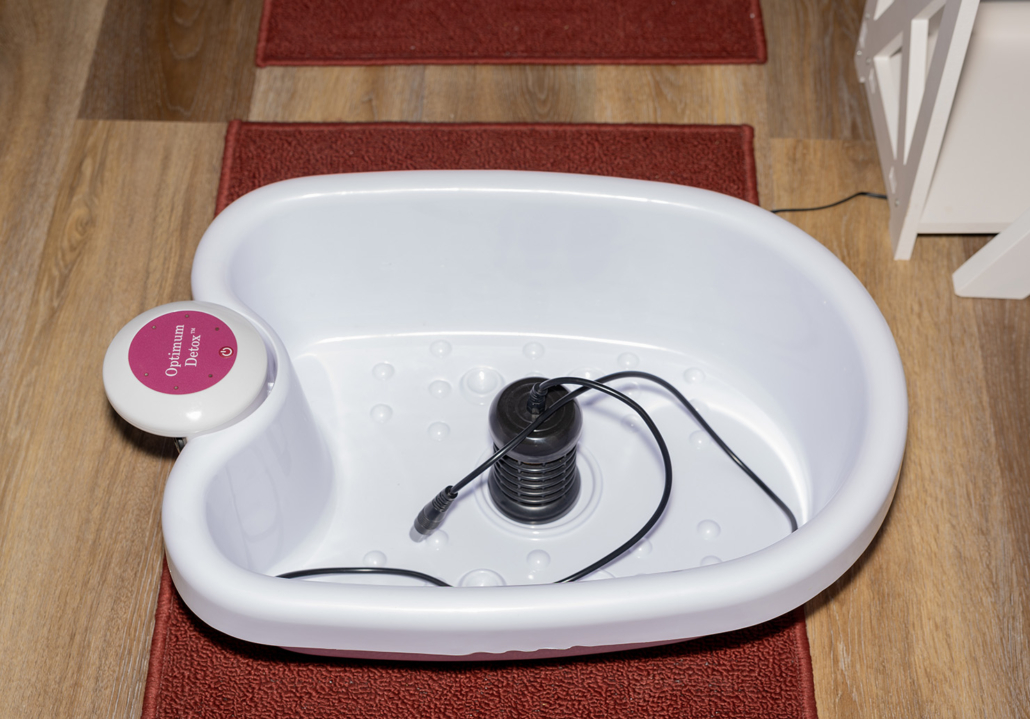
An ionic foot detox uses a foot bath with an ionizing array placed in water. During the session, a gentle electrical current interacts with salt water, often changing the water’s color or creating foam and particles. You keep your feet comfortably in the basin while you relax.

The experience is non-invasive. There are no needles, no recovery time, and no complicated preparation. Most people describe it as warm, peaceful, and surprisingly calming – a simple opportunity to sit still without being asked to do anything else.

You may see dramatic changes in the water as your session continues. It is understandable to wonder what every color means, but the appearance of the water alone is not a reliable measure of toxins leaving your body. The ionization process, minerals in the water, and reactions involving the array can all affect what you see. We believe it is best to approach a session as supportive self-care rather than a medical treatment or a test of your health.

Why people make time for a foot detox

Wellness routines do not have to be complicated to be meaningful. A foot detox appointment offers a dedicated break from screens, errands, and the feeling that you should always be productive. For some guests, it becomes a regular ritual between busy seasons. For others, it is a thoughtful first step toward making more room for rest.

The warm foot soak can be especially comforting after a long day on your feet. Some guests enjoy pairing it with their broader wellness routine, such as drinking enough water, choosing nourishing meals, moving their bodies gently, or scheduling a salt therapy session for a fuller reset. The right routine is personal. What feels renewing for one person may be a quiet foot bath, while someone else may prefer the tranquil air and stillness of a salt cave session.

At Relax, Release, Renew Salt Cave, the goal is not to rush you through an appointment. It is to offer a peaceful, personalized space where self-care feels approachable. You do not need to be a wellness expert to enjoy a little calm.

What to expect at your appointment

Your visit begins with a warm welcome and a few practical questions to help make sure the session is appropriate for you. Wear comfortable clothing that allows you to easily place your feet in the basin. You will remove your shoes and socks, settle in, and let the warm water do the rest.

During the session

Once your feet are in the foot bath, most of your job is simply to relax. You may read, close your eyes, chat softly, or enjoy the quiet. The water is warm, and the sensation is generally gentle. Some people feel nothing beyond the warmth of the soak, while others notice mild tingling. Let your practitioner know if anything feels uncomfortable so adjustments can be made.

A session is also a lovely time to take a breath and check in with yourself. How has your energy been lately? Have you made room for rest? Is there a small habit you have been meaning to return to? There is no pressure to have a big revelation. Sometimes a calm chair, warm water, and a few uninterrupted minutes are enough.

After the session

When the session is complete, dry your feet and take a moment before jumping back into your day. Many people choose to drink water afterward as part of their usual wellness routine. If possible, avoid scheduling yourself into an immediate rush. Give yourself a few extra minutes to enjoy the relaxed feeling.

You can return to normal activities right away. The most noticeable result for many guests is the experience of slowing down: feet that feel freshly cared for and a mind that feels less crowded. Results are individual, and no wellness service can replace medical care, hydration, sleep, or the daily habits that support overall health.

Who should check with a healthcare professional first?

An ionic foot detox is gentle for many adults, but it is not right for everyone. If you are pregnant, have a pacemaker or another implanted electrical medical device, have epilepsy, or have a serious medical condition, speak with your healthcare professional before booking. It is also wise to ask before scheduling if you have diabetes, reduced sensation in your feet, circulation concerns, open sores, active skin irritation, or a recent medical procedure.

Please share relevant health information before your appointment. A caring wellness experience should always put your comfort and safety first. If you have foot pain, swelling, numbness, wounds, or symptoms that concern you, seek guidance from a qualified medical professional rather than relying on a foot bath for answers.

Making the experience part of your self-care rhythm

A foot detox tends to feel most valuable when it is part of a realistic rhythm, not another item on an impossible to-do list. Think of it as an appointment with yourself. You might schedule one after a demanding work stretch, before a special occasion when you want to feel refreshed, or during a season when everyone else seems to need something from you.

The small details can extend the sense of care. Wear shoes that feel good after your appointment. Build in time for a relaxed drive home. Use a favorite body scrub that evening, or take a warm shower and go to bed a little earlier. These are simple choices, but they send a helpful message: your well-being deserves attention, too.

If you are new to wellness services, start with curiosity rather than expectation. You do not have to chase a perfect result or interpret every change in the water. Come for the warmth, the quiet, and the chance to leave feeling more settled than when you arrived.

Your feet carry you through a great deal. Giving them – and yourself – a calm hour of care can be a gentle way to begin again.

Mindful Breathing Guide for Everyday Calm

Mindful Breathing Guide for Everyday Calm

The next time your shoulders creep toward your ears, your thoughts begin racing, or the day feels louder than it should, pause before you push through. This mindful breathing guide offers a simple place to begin: notice one breath, then another. You do not need special equipment, perfect posture, or an hour of free time to give your nervous system a gentler message.

Mindful breathing is not about forcing yourself to feel calm. It is the practice of paying kind, steady attention to your breath as it moves in and out. For busy professionals, caregivers, and anyone carrying a full mental load, that small act of attention can create a welcome reset between the demands of the day.

What Mindful Breathing Can Offer

When stress rises, breathing often becomes shallow, quick, or held without us realizing it. Mindful breathing gives you a chance to soften that pattern. A slower, more intentional breath can help your body shift out of its constant hurry and make room for a clearer, steadier moment.

Many people notice that a few quiet minutes helps them feel more grounded before a meeting, after a difficult conversation, or while winding down for sleep. The benefits are personal and can vary from day to day. You may feel a release in your jaw, a lessening of tension in your chest, or simply a little more space between a stressful thought and your reaction to it.

It is also a practice of return. Your mind will wander, especially when life is busy. That is not a sign you are doing it wrong. Each time you notice and gently bring your attention back to your breath, you are practicing patience with yourself.

A Mindful Breathing Guide You Can Use Anywhere

Start by choosing a position that feels supported. You can sit in a chair with both feet on the floor, rest on a cushion, or lie down if that is more comfortable. Let your hands rest easily. There is no need to sit perfectly still or hold your body in a certain shape.

Take a moment to notice your natural breathing without changing it. Is the breath more noticeable at your nostrils, in your chest, or in your belly? Let that be your anchor. You are not trying to create a dramatic breath. You are simply becoming present for the one already happening.

Then, if it feels comfortable, breathe in gently through your nose for a count of three or four. Allow the exhale to be a little longer, perhaps four or five counts. A longer exhale often feels naturally settling, but keep it easy. Straining to hold or lengthen your breath can add tension rather than relieve it.

Continue for five to ten rounds. If counting distracts you, use a simple phrase instead. On the inhale, quietly think, “Breathing in.” On the exhale, think, “Letting go.” You might also place one hand over your heart and one on your belly, feeling the movement beneath your palms.

When you finish, do not rush away from the moment. Notice whether anything has changed, even slightly. Perhaps your breath has more room. Perhaps the outside world is still busy, but you feel more able to meet it.

Three Gentle Practices for Different Moments

A mindful breathing practice works best when it fits the moment you are actually in. The goal is not to follow a rigid rule. It is to choose something that feels supportive and realistic.

For a busy morning: five steady breaths

Before checking messages or moving into your to-do list, sit at the edge of your bed, in your parked car, or with your morning coffee. Take five unhurried breaths. Let your inhale be natural and let your exhale soften your shoulders.

This is a small ritual, but it can change the tone of the first few minutes of your day. Rather than beginning in reaction mode, you give yourself a moment of choice.

For a stressful afternoon: box breathing

When your mind feels scattered, a simple pattern can make it easier to focus. Breathe in for four counts, pause for four, breathe out for four, and pause for four. Repeat the pattern three or four times, keeping every part of the breath gentle.

If pauses do not feel good, skip them. Instead, inhale for four and exhale for four or five. The best practice is the one that leaves you feeling more comfortable, not more pressured.

For bedtime: soften the exhale

As you settle into bed, place a hand on your lower belly. Breathe in naturally, then let the breath out slowly as if you are quietly fogging a mirror. Repeat for one or two minutes.

Thoughts may continue to show up. That is normal. You do not have to solve tomorrow tonight. Each exhale is simply an invitation to release a little of what you have been holding.

How to Make the Practice Feel More Natural

Consistency matters more than duration. One peaceful minute practiced regularly can be more helpful than trying to fit in a long session once a month. Attach mindful breathing to moments already built into your day, such as waiting for the kettle to boil, sitting in the school pickup line, or washing your hands.

Your environment can also make a difference. A quiet corner, a comfortable chair, softer lighting, and a few minutes without interruptions can help your body recognize that it is safe to settle. Still, do not wait for perfect conditions. Mindful breathing can happen at your desk, in a waiting room, or in the kitchen while dinner is in the oven.

Some people enjoy pairing breathwork with other comforting wellness rituals. A warm shower, a favorite calming scent, gentle stretching, or time in a peaceful setting can help make the practice feel less like another task and more like care. At Relax, Release, Renew Salt Cave, many guests find that a quiet, restorative environment gives them space to reconnect with their breathing and simply rest.

When Breathing Exercises Feel Difficult

For some people, focusing on the breath can feel uncomfortable at first, especially during a period of high stress or anxiety. If a breathing exercise makes you feel lightheaded, tense, or more uneasy, return to your normal breath. Open your eyes, look around the room, and notice a few things you can see or feel, such as your feet against the floor.

You can also make the practice less direct. Instead of counting every breath, listen to calm music and notice your exhale from time to time. Try breathing while walking slowly, matching a few steps to your inhale and a few to your exhale. There is no prize for doing it a particular way.

If you have a respiratory condition, heart condition, panic symptoms, or any health concern that affects your breathing, check with a qualified healthcare professional before trying breath-holding or more structured breathing techniques. Mindful breathing can be a supportive self-care tool, but it is not a replacement for medical care.

Give Yourself a Place to Pause

A full day may not suddenly become quiet because you take five breaths. The dishes may still need washing, the inbox may still be full, and the next responsibility may be waiting. But mindful breathing can help you meet those realities with a little less tension and a little more presence.

Begin with one minute today. Let the breath come and go without needing to fix anything, and allow that brief pause to remind you that you deserve moments of comfort, care, and renewal.

How to Hydrate After Exfoliating Your Skin

How to Hydrate After Exfoliating Your Skin

Freshly exfoliated skin can feel wonderfully smooth for a few minutes, then suddenly tight, warm, or thirsty. Knowing how to hydrate after exfoliating helps you hold on to that soft, renewed feeling without leaving your skin irritated or dry. The goal is not to pile on every product in the cabinet. It is to give your skin calm, simple support while its protective barrier settles back in.

Exfoliation removes built-up dead skin cells from the surface, whether you use a salt scrub, a washcloth, a chemical exfoliant, or a professional treatment. That smoother surface can help moisturizer feel especially comforting, but it can also be more vulnerable to moisture loss. A gentle follow-up routine makes all the difference.

How to Hydrate After Exfoliating Without Overdoing It

The best time to moisturize is shortly after you rinse or gently remove your exfoliant, while your skin is still a little damp. Do not rub your skin dry. Instead, pat with a soft towel and leave a light layer of water behind. Applying moisturizer at this point helps seal in that moisture rather than asking dry skin to recover on its own.

Choose a fragrance-free cream, lotion, or body oil that feels comfortable for your skin type. Creams are often a lovely choice for dry or mature skin because they tend to offer more lasting comfort. A lighter lotion may be enough if your skin is naturally oily or if you exfoliated during a humid Virginia summer day. For very dry areas, such as elbows, knees, heels, and hands, you can press a small amount of body oil over your moisturizer for an extra-soft finish.

Think of hydration in two layers. First, add water with damp skin or a hydrating product. Then, help keep that water from evaporating with a moisturizer that supports the skin’s natural barrier. You do not need an elaborate routine to do this well.

Keep the Rest of Your Routine Gentle

After exfoliating, skin is usually happiest with fewer active ingredients. Skip strong retinoids, additional acids, benzoyl peroxide, or heavily fragranced products for the rest of the day, especially if you notice any stinging. Even products that normally work well for you can feel like too much on newly exfoliated skin.

Use lukewarm water rather than a steamy shower, too. Hot water can feel relaxing, but it may leave skin feeling drier afterward. If you enjoy an evening shower as part of your wind-down routine, keep it comfortably warm and follow it with moisturizer before getting dressed or climbing into bed.

Match Your Moisturizer to the Type of Exfoliation

Not every exfoliation session calls for the same level of aftercare. The more intense the exfoliation, the more gently you should treat your skin afterward.

A mild body scrub generally calls for a simple rinse and a nourishing moisturizer. If you use a salt-based scrub, take time to rinse thoroughly and pat dry rather than scrubbing again with your towel. Then apply body cream or oil to damp skin, giving special attention to areas that tend to feel rough.

Chemical exfoliants, including products with AHAs, BHAs, or enzymes, can be very effective but may leave some people more sensitive. Follow the directions on the product, and use a basic, comforting moisturizer afterward. If your skin feels tender, pause other exfoliating products until it feels normal again.

If you have had a professional skin service, follow the provider’s aftercare instructions first. They know the treatment performed and can tell you when to return to your usual products. When in doubt, keep your routine quiet and soothing for a day or two.

Face, Body, and Feet Need Different Care

The skin on your face is often more delicate than the skin on your arms and legs. A rich body butter that feels wonderful on your shins may be too heavy for your face, particularly if you are prone to clogged pores. For facial skin, look for a gentle moisturizer that feels breathable and does not sting.

Your body can usually handle a richer texture, particularly after shaving or exfoliating dry patches. Massage your lotion in slowly instead of rushing through the step. That extra minute can turn a practical routine into a small act of care, especially after a long day of work, caregiving, or errands.

Feet deserve their own attention. After exfoliating heels or soles, use a thicker foot cream and put on clean cotton socks before bed. This gives the moisturizer time to do its work and can help rough areas feel more comfortable by morning.

Signs You May Need to Scale Back

Smooth skin should feel comfortable, not sore. A little temporary pinkness can happen, particularly after a scrub or a new product, but burning, persistent redness, itching, swelling, or flaking are signs to stop exfoliating and simplify your routine. Use cool water, a plain moisturizer, and avoid friction until your skin settles.

Exfoliating more often is not always better. If your skin regularly feels tight after cleansing, looks shiny but dehydrated, or becomes easily irritated, you may be exfoliating too frequently or using a product that is too strong. Many people do well exfoliating once or twice a week, while sensitive skin may prefer less. Your skin’s response matters more than a schedule on a label.

If you have eczema, rosacea, a known skin condition, or a reaction that does not improve, it is wise to check with a dermatologist before continuing exfoliation. Gentle self-care should feel restorative, never like something you have to push through.

Protect Freshly Exfoliated Skin During the Day

Hydration is not only about what you apply immediately after exfoliating. Your environment and daily habits influence how your skin feels afterward. Drink water throughout the day for your overall well-being, but remember that topical moisture is what directly supports the outer layer of your skin.

If you exfoliate in the morning or expose freshly exfoliated skin during the day, wear broad-spectrum sunscreen on areas that see the sun. This is especially helpful for the face, chest, shoulders, and arms. Newly exfoliated skin can be more reactive to sunlight, and sunscreen is one of the kindest ways to protect the results of your routine.

Dry indoor air can also make skin feel less comfortable. A humidifier, shorter showers, and consistent moisturizing can be useful during colder months, when heaters are running and hands and legs often need extra care.

Make Hydration Part of the Ritual

There is something deeply satisfying about taking a few unhurried minutes after exfoliating. Let the product do more than sit on the surface of your skin. Breathe slowly, massage your hands, shoulders, or feet, and notice the shift from rushed to cared for.

At Relax, Release, Renew Salt Cave, we believe small moments of intentional care can support a more restful rhythm. Whether you are using a favorite salt scrub at home or making time for a wellness appointment, your aftercare matters. Soft skin is a welcome result, but so is the feeling of pausing long enough to tend to yourself.

The simplest approach is often the most comforting: exfoliate gently, moisturize while skin is damp, and give your skin time to rest. When your routine leaves you feeling calm, comfortable, and cared for, you have found the right balance.

Should You Try Halotherapy Before or After Massage?

Should You Try Halotherapy Before or After Massage?

A massage appointment can be the pause your body has been asking for all week. Adding time in a salt cave can make that pause feel even more intentional, but many guests ask the same practical question: should you choose halotherapy before or after massage? There is no one perfect order for everyone. The better choice depends on what you want most from your visit – deep relaxation, a clearer-feeling breath, support for dry or irritated skin, or a quiet reset from a full schedule.

At Relax, Release, Renew Salt Cave, we encourage you to think of these services as complementary forms of self-care, not a race to fit in as much as possible. Give yourself room to notice what feels best in your body.

Halotherapy Before or After Massage: The Short Answer

For many people, halotherapy before a massage creates a lovely progression: settle into the peaceful salt cave first, then carry that calm into hands-on bodywork. The cave gives you a chance to slow your breathing, step away from screens and responsibilities, and arrive at your massage feeling less rushed.

Halotherapy after massage can be equally appealing, especially if you want to extend that post-massage float. You may leave the table feeling loose and relaxed, then rest quietly in the salt cave without needing to do anything else. It is a gentle way to let the day stay outside a little longer.

If your goal is to make the massage itself feel more relaxing, book halotherapy first. If your goal is to preserve the unhurried, cared-for feeling after your massage, choose the salt cave afterward. Both can be a wonderful fit.

Why a Salt Cave Session Before Massage Often Feels Best

A massage can be deeply restorative, but it is easier to relax into it when your mind has had a chance to catch up with your body. Guests often arrive carrying a long workday, traffic, caregiving responsibilities, or a running mental to-do list. Beginning with a halotherapy session creates a quieter transition.

In the salt cave, dry salt is dispersed into the air while you rest in a calming environment. Many people simply enjoy the experience of sitting back, breathing comfortably, and taking a break from stimulation. Those who deal with occasional stuffiness, seasonal discomfort, or dry skin may also appreciate making salt therapy part of their ongoing wellness routine. Experiences vary, and halotherapy is not a replacement for medical care, but it can be a comforting addition to a self-care plan.

Afterward, you may find it easier to settle onto the massage table and receive the service without feeling the need to rush. The sequence can feel especially supportive when stress is showing up as tight shoulders, a clenched jaw, shallow breathing, or that familiar sense that you have been holding everything together for too long.

Choose this order when you want to arrive fully present

Consider halotherapy first if you are booking your massage as a true reset rather than simply checking off another appointment. It is also a thoughtful choice before a massage focused on relaxation, since the quiet time helps set the tone before bodywork begins.

Leave a little space between services when possible. You do not need a complicated routine, but a few minutes to drink water, use the restroom, and let your body transition can make the experience feel more comfortable.

When Halotherapy After Massage Makes More Sense

Some days, the massage is the part you need most. Maybe your neck and back feel overworked, your legs are tired, or you have been looking forward to the physical release of bodywork all week. In that case, placing halotherapy after massage can feel like the soft landing at the end of your visit.

Massage may leave you feeling pleasantly heavy, sleepy, or deeply calm. Instead of heading straight back into a busy parking lot, errands, or your next responsibility, a salt cave session gives you protected quiet time. You can rest, breathe, and allow the benefits of slowing down to linger.

This order can be particularly appealing for guests who tend to feel talkative or energized when they first arrive. Start with the massage, then let the salt cave be the place where your nervous system finally gets the message that it is safe to rest.

Choose this order when you do not want the calm to end

Halotherapy after massage is a beautiful option for a personal wellness day, a birthday treat, a date with a friend, or a much-needed break from caring for everyone else. It can also be the right choice if you prefer to leave the studio feeling quiet and centered rather than moving from relaxation into a more active service.

Just plan for a slower finish. If possible, avoid scheduling something demanding immediately afterward. The value is not only in the individual services. It is in giving yourself permission to carry that renewed feeling home.

A Few Comfort Details to Consider

The best order can also depend on your personal preferences. Salt therapy is typically enjoyed in comfortable clothes, while massage involves changing into a level of undress that feels appropriate for you. If you prefer to freshen up or change after your salt cave session, halotherapy before massage may be more convenient.

Hydration matters with either order. Drink water before your appointment and have some afterward, particularly following massage. You may also want to avoid arriving overly hungry or directly after a very heavy meal. Comfort makes it easier to relax.

If you have a health condition, are pregnant, have a fever, are experiencing a contagious illness, or have questions about whether salt therapy or massage is appropriate for you, speak with your health care provider first. Let your service provider know about any sensitivities, injuries, or areas that need extra care. Personalized wellness should always feel supportive, never pressured.

How to Build a Restorative Self-Care Visit

There is no need to make your appointment complicated. Start with the result you hope to feel when you walk out the door. If you want to soften into your massage and quiet a busy mind, begin in the salt cave. If you want to stretch the peaceful feeling after bodywork, reserve halotherapy for the end.

You can also keep your visit simple by choosing just one service the first time. This is helpful if you are new to halotherapy, unsure how your body responds to massage, or short on time. Once you know what you enjoy, combining services can become a meaningful ritual rather than an occasional splurge.

For at-home care, continue the relaxed, skin-nurturing feeling with a warm shower, a gentle salt-based body scrub, comfortable clothes, and a quieter evening whenever your schedule allows. Small choices help turn a wellness appointment into a longer-lasting act of care.

Listen to What You Need That Day

The question is not only whether halotherapy comes before or after massage. It is also what kind of support you need right now. Some visits call for an energizing breath of space before you receive bodywork. Others call for being cared for from start to finish, with nowhere else to be for a while.

Trust that your answer can change. The person who loves salt therapy before massage during a stressful work season may prefer it afterward when she is making time for a slower weekend. Your wellness routine does not need rigid rules to be effective. It simply needs to make room for you.

The next time you book a moment of care, choose the order that feels like the kindest response to your day – then let yourself enjoy every quiet minute of it.

Skin Exfoliation for a Softer, Healthier Glow

Skin Exfoliation for a Softer, Healthier Glow

A warm shower can feel like a reset after a long week, especially when your skin is dry, rough, or simply in need of care. Skin exfoliation is one of those small rituals that can make a noticeable difference, helping lift away the buildup that leaves skin looking dull and feeling less than comfortable. The key is not scrubbing harder. It is choosing a gentle approach that leaves your skin soft, refreshed, and cared for.

What Skin Exfoliation Does for Your Body

Your skin naturally sheds dead cells all the time. Sometimes, though, those cells linger on the surface, particularly on the elbows, knees, heels, arms, and legs. Add dry indoor air, hot showers, shaving, busy schedules, and seasonal weather changes, and skin can start to feel uneven or look ashy.

Exfoliation helps remove that surface buildup. When done thoughtfully, it can leave the skin feeling smoother and help moisturizer apply more evenly afterward. Many people also enjoy the sensory side of the ritual: the gentle massage of a scrub, a comforting scent, and a few unrushed minutes focused on themselves.

There is a balance to keep in mind. Exfoliation supports healthy-looking skin, but too much can leave it feeling tight, tender, or irritated. A good routine should feel restorative, never harsh.

Physical and Chemical Exfoliation: What Is the Difference?

Most body exfoliation falls into two categories. Physical exfoliation uses fine particles or a textured tool to manually buff away dry surface skin. Body scrubs made with salt, sugar, or other gentle granules are common examples. A soft washcloth or exfoliating mitt can also provide mild physical exfoliation.

Chemical exfoliation uses ingredients such as alpha hydroxy acids, beta hydroxy acids, or enzymes to loosen dead skin cells. These products can be useful for certain skin concerns, but they often require more care, especially if your skin is sensitive or you are already using active skincare products.

For many people who want a comforting at-home body ritual, a gentle physical scrub is a simple place to begin. Salt-based scrubs are especially satisfying on areas that tend to feel rough, such as feet, knees, and elbows. The best choice depends on your skin, your routine, and how your body responds. If a product stings, burns, or leaves redness that lingers, it is not the right fit for that moment.

Why Salt Scrubs Feel So Refreshing

A well-formulated salt scrub combines exfoliation with a nourishing base, often made with skin-conditioning oils. The salt provides the buffing action while the oils help leave skin feeling softened rather than stripped. The massage itself can also turn an ordinary shower into a calming pause.

Salt granules can be too intense for delicate facial skin or freshly shaved areas, so save them for the body. Use a light hand and let the scrub do the work. More pressure does not create better results.

How Often Should You Exfoliate?

For most body skin, once or twice a week is plenty. If you are new to skin exfoliation, start once a week and see how your skin feels over the next few days. This is especially helpful during colder months, when dry skin may already be more reactive.

You may be able to exfoliate certain tougher areas, like heels or elbows, a little more often. Still, those areas need moisture afterward. On the other hand, if you have very dry, sensitive, sunburned, irritated, or broken skin, take a break from scrubs until your skin feels calm again.

It also helps to adjust your routine around shaving. Exfoliating gently the day before shaving may help smooth the surface of the skin. Avoid using a scrub immediately after shaving, when skin can be more vulnerable to irritation.

A Gentle At-Home Exfoliation Ritual

The most enjoyable routines are usually the simplest ones. Begin with warm, not overly hot, water to soften the skin. Scoop a small amount of body scrub into dry hands, then massage it over damp skin in slow, circular motions. Focus on areas that need extra attention, but do not linger too long in one spot.

Rinse thoroughly and pat the skin dry with a towel. Follow with a body cream, lotion, or body oil while your skin is still slightly damp. This step matters because exfoliation removes surface buildup, while moisture helps support the soft, comfortable feeling you want to keep.

Try making it part of a time when you can slow down. A Sunday evening shower, a quiet morning before work, or the end of a demanding day can all become a small act of renewal. The goal is not a perfect routine. It is a moment that helps you feel more like yourself.

Common Exfoliation Mistakes to Avoid

The most common mistake is treating rough skin as though it needs aggressive treatment. Scrubbing too hard, using very coarse products, or exfoliating every day can compromise the skin barrier. Instead of feeling smooth, skin may become dry, itchy, or more sensitive.

Another misstep is skipping moisturizer. Even a beautiful body scrub is only one part of skin care. After rinsing, give your skin something comforting to hold onto, particularly after a shower or bath.

It is also wise to avoid exfoliating over active rashes, cuts, insect bites, eczema flares, or areas that are already sore. If you have a persistent skin condition, are using prescription skincare, or are unsure about a new product, a dermatologist can offer guidance that fits your needs.

Pay Attention to Your Skin’s Signals

Soft, comfortable skin is the goal. Tightness, burning, rawness, or ongoing redness are signs to pause. You may need to exfoliate less often, use finer granules, shorten the massage time, or choose a more moisturizing formula.

Your skin’s needs can change with the season, stress, hormones, travel, and even the products you use in the rest of your routine. Let your routine stay flexible. A lighter touch in winter and a little extra care for dry feet in sandal season can make more sense than following the same schedule all year.

Pairing Exfoliation With Restorative Self-Care

Skin care feels even more meaningful when it becomes part of a wider wellness practice. A few quiet minutes in the shower can complement an evening of rest, a soothing bath, or a visit to a calming space where you can step away from the demands of the day. At Relax, Release, Renew Salt Cave, we believe self-care should feel personal, unhurried, and welcoming.

A salt-based body scrub can extend that feeling at home. Use it as an invitation to pause rather than another task on a long list. Notice the warm water, the clean scent, and the sensation of caring for your body with patience.

The most beautiful results from skin exfoliation are not about chasing perfection. They come from consistency, gentleness, and the simple comfort of skin that feels cared for. Start with a small ritual, listen to what your skin needs, and let those few peaceful minutes become part of how you renew yourself.

Body Exfoliation Techniques for Softer Skin

Body Exfoliation Techniques for Softer Skin

That rough, tight feeling on your arms, legs, or heels can make even a favorite moisturizer feel as if it is sitting on top of your skin. Gentle body exfoliation techniques can help lift away built-up, dull-looking surface skin so your body care routine feels more refreshing and your skin looks smoother. The goal is not to scrub until your skin feels raw. It is to create a comforting ritual that leaves you feeling renewed.

At Relax, Release, Renew Salt Cave, we believe self-care works best when it feels like a pause you can actually enjoy. A warm shower, an aromatic salt scrub, and a few unhurried minutes of care can turn an ordinary routine into a small reset for your body and mind.

Why Body Skin Can Feel Rough

Your skin naturally sheds dead cells every day, but some can linger on the surface. Dry air, hot showers, shaving, seasonal changes, friction from clothing, and simply being busy can all contribute to skin that feels uneven or looks less radiant. Areas such as elbows, knees, ankles, feet, and the backs of the arms are especially likely to feel dry and textured.

Exfoliation gives those surface cells a gentle nudge. Done thoughtfully, it can help soften the feel of dry patches and prepare skin for the moisture that follows. It cannot replace treatment for a persistent skin condition, and it should never sting or leave your skin inflamed. Comfort is your best guide.

Choosing Between Physical and Chemical Exfoliation

There is no single best approach for every body. The right choice depends on your skin sensitivity, your current routine, and the areas you want to treat.

Physical exfoliation

Physical exfoliation uses texture to buff the skin directly. This can include a salt or sugar scrub, a soft washcloth, a gentle body brush, or an exfoliating mitt. It is a familiar, sensory option that many people enjoy in the shower, especially when paired with nourishing oils and a relaxing scent.

Salt scrubs can feel wonderfully invigorating on sturdier areas like legs, arms, and feet. Because salt crystals can be more intense than sugar, use a light touch and avoid freshly shaved skin, cuts, irritated areas, or places where your skin feels extra sensitive. A scrub should glide over the skin rather than feel like sandpaper.

Chemical exfoliation

Chemical exfoliants use ingredients such as lactic acid, glycolic acid, salicylic acid, or urea to loosen dead surface cells. Despite the name, these products are commonly found in body lotions, washes, and targeted treatments. They can be useful for concerns such as rough bumps on the arms, very dry legs, or ingrown-hair-prone areas.

These formulas are not automatically harsher than scrubs, but they do require a little more care. Follow the product directions, start slowly, and do not layer multiple exfoliating products in the same routine. If you use a chemical exfoliant, daily sunscreen on exposed skin is especially helpful because freshly exfoliated skin may be more sensitive to sunlight.

A Gentle Body Exfoliation Routine

The most effective body exfoliation techniques are usually the ones you can repeat without irritation. Start with skin that has been softened by warm water, not steaming-hot water. Hot water can leave already dry skin feeling more depleted.

If you are using a scrub, scoop a small amount into your hand and massage it over damp skin using small, circular motions. Begin at your feet and work upward, spending a little extra time on heels, knees, and elbows. Use less pressure than you think you need. The grains do the work, and a calm, steady motion is enough.

Rinse thoroughly, then pat your skin dry with a towel rather than rubbing. While your skin is still slightly damp, apply a body cream, body oil, or moisturizer. This final step matters. Exfoliation removes surface buildup, but moisture is what helps your skin feel supple afterward.

A soft washcloth or exfoliating mitt follows the same basic rhythm: warm water, light pressure, brief contact, then moisturizer. These options may be a better starting point if you are new to exfoliation or if your skin tends to react easily.

How Often Should You Exfoliate Your Body?

For most people, once a week is a comfortable place to begin. If your skin feels healthy and you enjoy the results, you may be able to exfoliate two times a week. More is not always better. Over-exfoliating can disrupt your skin barrier, leading to dryness, redness, flaking, sensitivity, or that uncomfortable tight feeling after bathing.

Your body may need less exfoliation in winter, after a day in the sun, or during periods when your skin is dry and reactive. It may tolerate a little more attention on durable areas like heels, provided the skin is not cracked or sore. Let the condition of your skin set the schedule instead of forcing a calendar rule.

If you are using an acid-based body lotion, you may not need a grainy scrub at all. Alternating methods is often gentler than using both on the same day. For example, you might use a salt scrub once a week and a smoothing lotion on a separate evening, depending on how your skin responds.

Areas That Need a Different Approach

Not every part of the body should be treated the same way. Your feet may appreciate a richer scrub and a little more massage, while your chest and neck often need a much lighter hand. The bikini area and underarms can be sensitive, particularly after shaving or waxing, so avoid exfoliating there immediately after hair removal.

For shaving, timing matters. Some people prefer to gently exfoliate the day before shaving to help lift away dry skin. Others use a mild exfoliating wash on a separate day to help reduce the chance of ingrown hairs. Avoid intense scrubbing directly before or after shaving, when skin is more vulnerable to irritation.

Skip exfoliation altogether on sunburned skin, open cuts, rashes, active irritation, or areas affected by eczema or psoriasis unless a qualified healthcare professional has advised you otherwise. If a new product causes burning, persistent itching, swelling, or a rash, rinse it off and stop using it.

Make It Feel Like Care, Not Chore

A body scrub is most enjoyable when you do not rush it. Set aside a few extra minutes after a shower or before an evening of rest. Use warm water, keep a soft towel nearby, and choose a moisturizer that makes your skin feel comforted rather than coated. The ritual can be simple, but it can still signal to your body that you are allowed to slow down.

For an at-home spa moment, exfoliate your hands, feet, and lower legs, then follow with a rich moisturizer and clean, comfortable clothes. These small details can be especially soothing after long workdays, time spent caring for others, or a week when you have been putting your own needs last.

When to Ask for Extra Guidance

If rough texture does not improve with gentle care, or if it comes with pain, cracking, bleeding, significant itching, or a spreading rash, it is worth checking with a dermatologist or healthcare provider. Skin can reflect many things, from environmental dryness to a condition that needs more targeted support.

The kindest routine is not the most aggressive one. Choose body exfoliation techniques that leave your skin calm, smooth, and comfortable, then follow with moisture and a moment to enjoy how cared for you feel.

Can Salt Air Irritate Skin? What to Know

Can Salt Air Irritate Skin? What to Know

A beach day can leave your skin feeling wonderfully fresh – or unexpectedly tight, itchy, and stingy by bedtime. So, can salt air irritate skin? For some people, yes. The answer usually depends less on the air alone and more on your skin’s current condition, how much saltwater or spray touches it, and whether wind, sun, sweat, or existing dryness are part of the picture.

Salt has a long history in self-care, and many people enjoy the calming, refreshed feeling that comes with time near the ocean or in a salt-focused wellness setting. Still, a relaxing experience should feel comfortable. If your skin is sensitive, dry, or already irritated, a little preparation can make all the difference.

Can Salt Air Irritate Skin on Its Own?

Salt air is usually gentler on skin than direct contact with seawater, salty spray, or a salt scrub. In most cases, simply breathing ocean air or spending time in a dry salt environment does not cause a skin reaction. But salt particles and salty moisture can settle on the skin, and salt can feel uncomfortable when your skin barrier is compromised.

Your skin barrier is the outer layer that helps hold moisture in and keep irritants out. When it is healthy, it can usually handle a day at the beach or a relaxing wellness session without much trouble. When it is weakened by cold weather, frequent hot showers, over-exfoliation, sunburn, shaving, or a flare of eczema, even ordinary things can sting.

Salt can draw moisture, which is one reason skin may feel dry after time in ocean water. It may also sting tiny cuts, cracked knuckles, freshly shaved areas, or places where you have been scratching. That familiar ocean-water sting is not always a sign of an allergy. Often, it is simply salt reaching skin that is already tender.

There is also a big difference between salt air and a full beach environment. Wind can increase moisture loss. Sun exposure can cause inflammation and sunburn. Sand can rub against the skin, and sunscreen, sweat, and repeated rinsing can all contribute to irritation. If your skin feels rough after a coastal getaway, salt may be one piece of the story, not the only cause.

Why Salt Can Feel Different on Sensitive Skin

People with naturally dry or reactive skin may notice salt more quickly than others. Conditions such as eczema, rosacea, contact dermatitis, and psoriasis can make the skin barrier less resilient, although every person’s experience is different. Some people find mineral-rich water soothing, while others notice more dryness or burning.

The timing matters, too. Salt is more likely to bother skin when you have a fresh sunburn, an open or weeping rash, cracked skin, a recent chemical peel, or a new shave. In those moments, the goal is comfort and barrier support, not exfoliation or extra exposure.

It is also possible to react to something associated with the setting rather than salt itself. Fragrance in body products, essential oils, laundry detergent on towels, sunscreen ingredients, or even a new cleanser can trigger irritation. If you develop a repeated rash, hives, swelling, or intense itching after a particular product or experience, take that pattern seriously and speak with a qualified health professional.

Saltwater, salt scrubs, and dry salt are not the same

Direct saltwater exposure is typically the most noticeable because the water coats the skin and then evaporates, leaving salt behind. A salt scrub creates friction as well as salt exposure, so it can be too much for skin that is inflamed, freshly shaved, or very dry. Even a beautiful, nourishing scrub is best saved for healthy, intact skin.

Dry salt environments, including halotherapy spaces, feel different. Halotherapy uses fine, dry salt particles in the air rather than ocean water splashing onto the body. Some guests notice a mild dryness in their nose, throat, or skin, while many simply settle into the quiet and relaxation of the session. Wellness experiences are personal, so it is always appropriate to listen to your body instead of pushing through discomfort.

How to Enjoy Salt Therapy More Comfortably

A little gentle planning can help you enjoy the restorative side of salt therapy while being kind to your skin. Start with clean, dry skin and avoid arriving immediately after shaving, waxing, or using a strong exfoliant. If you have a cut, an active rash, or a sunburn, waiting until the area has healed is often the more comfortable choice.

Before your session, keep your routine simple. Skip heavily fragranced products if you know your skin is reactive. Choose loose, soft clothing that does not rub. If you use a dermatologist-recommended moisturizer or barrier cream regularly, follow the guidance you have already been given for your skin.

Afterward, rinse or shower with lukewarm water if your skin feels coated or dry. Hot water can make dryness worse, so there is no need to scrub. Pat your skin dry with a soft towel, then apply a gentle, fragrance-free moisturizer while your skin is still slightly damp. This helps hold onto hydration and can leave your skin feeling soft rather than tight.

Hydration matters beyond the surface as well. Sip water before and after a session, especially if you tend to feel dry in air-conditioned rooms or during Virginia’s colder months. It is a small act of self-care that supports the relaxed, cared-for feeling you came for.

When to pause and ask for guidance

Salt therapy is meant to be peaceful, not something you have to tolerate. Consider postponing a session or checking with your healthcare provider first if you have severe eczema, open skin, a skin infection, a significant sunburn, or a known sensitivity that is currently flaring. The same care applies if you have recently had a procedure that has left your skin tender.

During a session, a light feeling of dryness may be manageable with a moisturizing routine afterward. Burning, swelling, hives, worsening redness, or trouble breathing are different. Stop the exposure and seek medical advice, especially if symptoms are strong or do not settle.

At Relax, Release, Renew Salt Cave, the experience is meant to feel personal and unhurried. Let the team know if you have sensitive skin or are unsure whether a service feels right for you that day. A thoughtful conversation before your appointment can help you choose a comfortable approach to your wellness time.

Gentle Skin Care After Ocean Air or a Salt Session

The best aftercare is often the least complicated. Think comfort over correction. Use a mild cleanser only if you need one, moisturize generously, and give your skin a break from exfoliating acids, retinoids, rough towels, and heavily scented products for the rest of the day.

If you love a salt-based body scrub, enjoy it as an occasional ritual rather than a daily fix. Use light pressure, avoid broken or freshly shaved skin, and follow with a rich moisturizer. A scrub should leave your skin polished and pampered, never red or raw.

For beach days, rinse off saltwater and sand when you can, reapply sunscreen as directed, and cover up when the sun is strongest. These steps protect your skin from the factors most likely to cause a lingering reaction. The salt may get the blame, but sun and wind are often doing more of the irritating.

The Bottom Line for Sensitive Skin

Salt air can irritate skin when the barrier is already dry, damaged, or inflamed, but it is not automatically harsh or harmful. Many people enjoy salt-centered self-care without any skin discomfort at all. The key is to match the experience to what your skin needs right now.

If your skin is calm and intact, a salt cave session, ocean walk, or gentle salt scrub can be a lovely part of your reset. If it is asking for extra care, choose moisture, softness, and a slower pace. Your wellness routine should leave you feeling renewed – and your skin deserves that same kindness.