
How Salt Therapy Can Help You Pause and Reset

How Salt Therapy Can Help You Pause and Reset

Some days, the smallest discomforts take up the most room. A stuffy nose that will not seem to clear, skin that feels dry and irritated, or a mind that keeps racing long after the day is over can make true rest feel far away. Salt therapy offers a simple invitation to step out of that cycle: settle into a quiet, salt-filled space, breathe naturally, and give yourself time that belongs only to you.

At Relax, Release, Renew Salt Cave, that time is designed to feel personal, peaceful, and easy to receive. You do not need to know anything about halotherapy before you arrive. You simply come as you are, get comfortable, and allow the gentle atmosphere to support a moment of renewal.

What Is Salt Therapy?

Salt therapy, also called halotherapy, is a wellness experience that uses finely ground dry salt in a calm, controlled environment. During a session, a halogenerator disperses microscopic salt particles into the air. You relax in the salt cave while breathing normally and enjoying a welcome break from the demands waiting outside the room.

The experience is not harsh or overly complicated. Most guests notice the peaceful setting first: the soft lighting, quiet surroundings, comfortable seating, and unhurried pace. Then comes the rare feeling of having permission to do nothing. No errands to run, no messages to answer, no one needing your attention for a little while.

Dry salt has long been appreciated in wellness settings for its cleansing qualities and its ability to create a fresh, comfortable environment. People often seek salt therapy when they want natural-feeling support for seasonal congestion, dry air discomfort, everyday respiratory wellness, or skin-focused self-care. Others book because they need a restorative pause, and that is more than enough reason.

Why People Make Salt Therapy Part of Their Self-Care

A salt cave session can meet you where you are. For someone carrying the pressure of a busy workweek, it may become a protected hour to slow down. For a caregiver who is always putting others first, it can be a gentle reminder that their own well-being deserves space, too. For those who deal with occasional stuffiness or dry, uncomfortable skin, it can be a soothing addition to a broader self-care routine.

Many guests enjoy salt therapy for the way it supports relaxation without asking them to perform, achieve, or push through. You are not expected to meditate perfectly. You do not have to explain why you are tired. You can simply sit back, breathe, and let the stillness do its work.

The benefits people notice can vary. Some leave feeling clearer and more relaxed. Some appreciate how refreshed their skin feels after regular visits. Others value the consistency of having an appointment on the calendar that is reserved for rest. Like many wellness practices, salt therapy is deeply individual. Your experience may depend on what brought you in, how often you visit, and what other habits support your overall well-being.

Salt therapy is not a replacement for medical care, diagnosis, or treatment. If you have a health concern, persistent breathing symptoms, or questions about whether halotherapy is appropriate for you, speak with your healthcare provider. The most meaningful wellness routines leave room for both supportive self-care and professional medical guidance when it is needed.

What to Expect During a Salt Therapy Session

For first-time guests, the idea of sitting in a salt cave can sound a little mysterious. In reality, the experience is wonderfully straightforward.

You will enter a serene space created for comfort. Once you are settled, the session gives you time to rest quietly. Many guests close their eyes, listen to calming sounds, or simply enjoy the stillness. You can bring a light layer if you tend to get chilly, and it is helpful to arrive a few minutes early so you do not feel rushed.

You may notice a subtle salty taste in the air or on your lips. That is a normal part of the dry salt environment. Your throat may feel a little dry afterward, so drinking water before and after your session is a kind, practical way to care for yourself.

There is no need to force deep breaths or try to make the experience into one more task. Breathe in the way that feels comfortable. Let your shoulders drop. Allow the session to be uncomplicated.

A Few Simple Ways to Prepare

Wear comfortable clothing and arrive with an open mind. If you are coming straight from work, you do not need to change your whole day to make room for wellness. Just give yourself enough time to settle in.

It is also wise to avoid strong perfumes or heavily scented products before your visit, since a salt cave is a shared relaxation environment. If you have questions about a current illness, a medical condition, or whether to bring a child, reach out before booking so your session can feel as comfortable and appropriate as possible.

Salt Therapy for Stress, Sinus Comfort, and Skin Care

The appeal of salt therapy is often found in the way these needs overlap. Stress can affect how we sleep, how we breathe, and how patient we feel with ourselves. Dry indoor air, seasonal changes, and a packed schedule can leave us feeling less like ourselves. A salt cave does not promise to solve every problem, but it creates room to respond with more care.

For respiratory comfort, guests often choose halotherapy as a calming complement to hydration, rest, and the routines that help them manage seasonal discomfort. During high-pollen months or cold-weather stretches, that quiet time can feel especially welcome.

For skin, dry salt’s gentle, low-humidity environment is one reason many people are curious about the experience. A regular salt therapy visit can pair beautifully with a thoughtful at-home body care ritual, such as using a nourishing salt-based scrub after a shower. The goal is not perfection. It is to choose small practices that help you feel refreshed in your own skin.

And for stress, the setting matters just as much as the salt. A peaceful room, reduced stimulation, and uninterrupted time can shift the tone of an entire day. When life feels noisy, calm is not a luxury reserved for special occasions. It is a need worth honoring.

How Often Should You Book?

There is no single schedule that fits everyone. Some guests enjoy an occasional session when they need a reset before a busy season, after travel, or during times of heightened stress. Others build visits into a regular wellness rhythm, much like a massage, yoga class, or restorative walk.

If you are new to salt therapy, start with one session and pay attention to how you feel afterward. Notice whether you sleep more peacefully, feel more relaxed, or simply appreciate having protected time for yourself. From there, you can decide what feels supportive and sustainable.

Consistency can be especially helpful for people who value routines, but wellness should never become another source of pressure. A session once in a while can still be meaningful. The best rhythm is one that genuinely fits your life.

Give Yourself a Place to Exhale

There is something powerful about choosing an hour that does not have to be productive. Salt therapy creates a setting where you can release the noise, soften the pace, and reconnect with the part of yourself that has been asking for care.

Whether you come in seeking a little more breathing comfort, a skin-care reset, or simply a quiet place to rest, let the experience be gentle. Make space for the pause. Your next deep breath can be the beginning of a kinder day.

When to Use Body Scrub for Smooth, Softer Skin

When to Use Body Scrub for Smooth, Softer Skin

A body scrub can make a shower feel like a small reset: warm water, a calming scent, and skin that feels noticeably softer afterward. But knowing when to use body scrub matters just as much as choosing one you enjoy. Used with a gentle touch and the right timing, it can help lift away dull, dry buildup without leaving your skin feeling tight or irritated.

For many of us, exfoliation is especially welcome when life feels busy, the weather changes, or our skin starts looking less radiant than usual. The goal is not to scrub harder. It is to give your skin thoughtful care, then follow it with plenty of moisture.

When to use body scrub in your routine

The best time to use a body scrub is during a shower or bath, after your skin has had a few minutes to soften in warm water. Start by cleansing your body, then gently massage the scrub over damp skin in slow, circular motions. Rinse well, pat your skin dry, and apply body lotion, body butter, or oil while your skin is still slightly damp.

This order helps the scrub do its job without asking too much of your skin. Cleansing first removes surface dirt and sweat, while damp skin lets the exfoliating grains glide more comfortably. Moisturizer afterward helps seal in that fresh, supple feeling.

If you are preparing for a special occasion, use your body scrub the night before rather than right before you leave. Your skin has time to settle, and your moisturizer can fully absorb. This is especially helpful before wearing sleeveless clothing, getting a pedicure, or simply enjoying a little extra self-care before a weekend out.

How often should you exfoliate your body?

For most people, one or two times a week is a comfortable place to begin. This is often enough to smooth rough patches and refresh the look of your skin without overdoing it. If your skin is naturally dry, sensitive, or easily reactive, once a week may be plenty.

Some areas can usually handle a little more attention than others. Elbows, knees, heels, and the backs of upper arms often feel rougher because they experience more friction and dryness. You can focus gently on these spots rather than scrubbing your entire body every day.

Daily body scrubbing is usually not necessary. More frequent exfoliation does not always mean softer skin. In fact, scrubbing too often can leave skin feeling dry, stinging, or uncomfortable. If that happens, take a break from exfoliation and return to a simple routine of gentle cleansing and moisturizer until your skin feels calm again.

Your ideal schedule may shift with the seasons. A Richmond-area summer full of sunscreen, pool days, and humid weather can leave skin feeling different than a cold, dry winter. In winter, you may prefer a nourishing scrub once a week followed by a richer body cream. During warmer months, you may enjoy exfoliating before applying self-tanner or before a day when you want your skin to feel especially smooth.

The best moments for a body scrub

Body scrub is not just a product for a once-in-a-while spa day. It can be a helpful part of the everyday moments when your body needs a little more care.

When skin looks dull or feels rough

If your legs, arms, or feet feel dry to the touch, a body scrub can help remove some of the surface buildup that makes skin look less luminous. Follow with moisturizer right away. The combination of exfoliation and hydration is what creates that soft, cared-for finish.

Before shaving, with care

A gentle body scrub can be useful the day before shaving, particularly on the legs. Smoothing away dry flakes can help your razor move more evenly across the skin. Avoid vigorous scrubbing immediately before shaving, though, since both steps can be irritating when combined too closely.

If you are prone to razor bumps, keep the pressure light and avoid scrubbing over any areas that are already inflamed. A clean, sharp razor and a moisturizing shave product matter just as much as exfoliation.

Before applying self-tanner

Exfoliating 12 to 24 hours before self-tanner can help create a more even-looking result. Pay gentle attention to ankles, knees, elbows, and feet, where color can cling to dry skin. Afterward, moisturize those extra-dry areas lightly so they do not absorb more color than the rest of your body.

After long days outdoors

Sun, heat, chlorine, saltwater, and sunscreen can all leave skin feeling coated or dry. If your skin is not sunburned or irritated, a mild scrub a day or two after outdoor time can be a comforting way to refresh. Think of it as a slow shower ritual, not a deep scrub session.

If you have any redness, tenderness, peeling, or sunburn, skip the scrub entirely. Cool showers, fragrance-free moisturizer, and giving your skin time to recover are the kinder choice.

When you need a quiet reset

Sometimes the best reason to use a body scrub is simply that you need a pause. A few unhurried minutes in the shower can shift the mood of an evening, especially after work, caregiving, errands, or a week that has asked a lot of you.

Choose a scent that feels grounding, keep the water comfortably warm rather than hot, and let the ritual be simple. At Relax, Release, Renew Salt Cave, we believe self-care works best when it feels personal and easy to return to – not like another task on your list.

When not to use a body scrub

There are times when exfoliation should wait. Do not use body scrub on broken skin, cuts, fresh insect bites, active rashes, sunburn, or areas that are sore and inflamed. Skip it after waxing until your skin has calmed, and avoid using it right after a close shave.

Be cautious if you use prescription skin treatments, strong retinoids, or chemical exfoliants on your body. Combining several exfoliating products can be too much for your skin barrier. When in doubt, simplify your routine and ask a dermatologist for guidance that fits your needs.

If you have sensitive skin, try a small patch test first. Use a small amount on one area, rinse it away, and see how your skin feels over the next day. A scrub should leave your skin feeling smooth and comfortable, not burning, itchy, or overly red.

How to use body scrub gently

A good body scrub routine should feel soothing, never harsh. Use a small scoop – you can always add more if needed – and apply light pressure with your hands. There is no need to use a washcloth, exfoliating glove, or brush at the same time. Let the scrub provide the exfoliation on its own.

Spend about 30 seconds on each area rather than repeatedly going over the same spot. Rinse thoroughly, then gently pat dry with a towel. Rubbing hard with a towel right after exfoliating can take away some of the softness you just created.

The step people most often skip is moisturizing afterward. Exfoliation removes dry surface cells, but hydration is what helps skin feel comfortable and look healthy afterward. Apply your favorite lotion, cream, or body oil while your skin is still a little damp. This is especially helpful on legs, arms, and feet.

Choosing a scrub that suits your skin

Salt-based body scrubs are a lovely choice for people who enjoy a more polished, spa-inspired feel. Fine salt crystals can provide satisfying physical exfoliation, while nourishing oils can help leave skin feeling conditioned. Still, texture matters. A scrub with very large or sharp particles may feel too intense for sensitive skin.

Pay attention to how your skin responds rather than following a one-size-fits-all rule. If your skin feels smooth, moisturized, and calm the next day, your routine is likely working well. If it feels tight or looks irritated, use less product, reduce the pressure, or extend the time between exfoliation days.

Your body care can be a gentle invitation to slow down. Save the scrub for the moments when your skin feels ready, your schedule allows a few extra minutes, and you can follow it with the moisture and rest that make the ritual feel complete.

How to Choose Body Scrub for Softer Skin

How to Choose Body Scrub for Softer Skin

A body scrub should leave your skin feeling comfortably smooth, not tight, stinging, or as though it needs to recover. Learning how to choose body scrub starts with noticing what your skin is asking for right now. A rich, mineral salt scrub can feel wonderful after a long week, while a gentler option may be the better choice when your skin is dry, sensitive, or freshly shaved.

The best scrub is not necessarily the one with the strongest fragrance or the roughest texture. It is the one you will look forward to using as part of a quiet, restorative routine – one that helps you pause, care for your body, and step back into your day feeling renewed.

How to Choose Body Scrub for Your Skin Type

Your skin type is the most helpful place to begin. Body skin is usually more resilient than facial skin, but it can still become irritated when exfoliation is too frequent or too intense. Think about whether your skin tends to feel dry and flaky, oily or congested, sensitive, or generally balanced.

If your skin is dry, look for a scrub with a nourishing oil base. Ingredients such as coconut oil, jojoba oil, sweet almond oil, or shea butter can help the skin feel softened while the exfoliating grains lift away dull surface buildup. This kind of formula is especially comforting on shins, elbows, knees, and heels, which often need a little extra attention.

For sensitive skin, a smaller, smoother exfoliating particle and a shorter massage time are usually kinder. Avoid scrubbing over areas that are already red, itchy, sunburned, or irritated. A simple ingredient list and a mild or fragrance-free formula can also make your self-care moment feel more relaxing rather than overwhelming.

If your skin is balanced but feels rough in certain places, you may enjoy a classic salt or sugar scrub. Salt scrubs tend to offer a more invigorating texture and can create that fresh-from-the-spa feeling. Sugar scrubs are often softer and dissolve more quickly under warm water. Neither is automatically better – it depends on the experience you prefer and how your skin responds.

Salt Scrub or Sugar Scrub?

Salt is a lovely choice when you enjoy a mineral-rich, polished finish and want to focus on rougher areas such as feet, heels, knees, and elbows. The texture can be more noticeable, so use a light hand. Salt may also sting if applied to nicks, freshly shaved skin, or broken skin, making timing part of choosing the right product.

Sugar is a gentle favorite for a comforting all-over scrub. Because the granules melt down with water, it can feel less intense on delicate areas. It is often a welcome choice for someone new to body exfoliation or anyone who wants a softer ritual before moisturizing.

Some formulas combine salt, sugar, oils, and botanical ingredients. These can offer a balanced texture, but the ingredient list still matters. A beautiful blend should support your skin, not simply smell appealing in the jar.

Check the Texture Before You Commit

The texture of a body scrub shapes the entire experience. Coarse grains may be useful for very rough feet, but they are not necessary for the rest of your body. For arms, legs, and the chest area, fine to medium grains are generally easier to control and more comfortable to massage across damp skin.

A scrub should feel substantial enough to exfoliate without scratching. If it feels sharp, leaves visible redness, or requires firm pressure to work, it may be too aggressive for regular use. Smooth, gentle circles are enough. Your skin does not need to be scrubbed hard to feel cared for.

Also consider the base of the product. An oil-rich scrub can leave a soft, conditioned finish and may reduce the need for body lotion afterward. A lighter, rinse-clean formula may be more comfortable if you prefer less residue or are getting dressed soon after your shower. Both can have a place in your routine.

Read the Ingredient List With Comfort in Mind

You do not need to memorize every ingredient to make a thoughtful choice. Start by looking for the exfoliant, the moisturizing base, and the fragrance components. If your skin has reacted to certain products before, this quick check can save you from an uncomfortable experience.

Plant oils and butters are often welcome additions for dry skin. Essential oils and fragrance blends can make a scrub feel like a sensory escape, but they are not right for everyone. If you are prone to sensitivity, choose a lightly scented option or test a small amount first. Citrus, peppermint, and warming scents may feel energizing, while lavender, vanilla, and soft floral notes can make an evening shower feel calmer.

Be especially thoughtful about products with a long list of strong fragrances, dyes, or exfoliating acids if your skin is easily reactive. A body scrub does not need to be complicated to be effective. Sometimes a beautifully made salt, oil, and scent blend is all you need for a satisfying at-home reset.

Let the Scent Match the Moment

Scent is personal, and it can turn a basic shower into a small ritual. A bright, clean scent may be perfect for a morning when you need to feel refreshed. A warm, comforting scent can help signal that the workday is over and it is time to slow down.

The trade-off is that fragrance can be distracting or irritating for some people. If you share close spaces with someone sensitive to scent, prefer a subtle product. If you are choosing a scrub as a gift, a gentle, familiar fragrance is often a safer choice than something very bold.

Choose a Scrub That Fits Your Routine

A body scrub works best when it fits naturally into your life. Most people only need to exfoliate one or two times a week. Using a scrub every day can leave skin feeling dry or vulnerable, particularly during colder months or when indoor heat is running.

For a quick routine, keep your scrub near the shower and use it on the areas that need it most: elbows, knees, lower legs, and feet. For a more unhurried reset, use it after soaking in a warm bath or shower, then follow with a moisturizer while skin is still slightly damp. This is a simple way to make a regular evening feel a little more intentional.

Avoid using a scrub immediately after shaving, waxing, or spending time in the sun. Give your skin time to settle first. If you use a self-tanner, exfoliating beforehand can help create a more even-looking application, but scrubbing afterward will naturally fade the color more quickly.

Use Your Body Scrub Gently

Even the right formula needs a gentle technique. Start with damp, not dripping-wet skin so the scrub can stay in place long enough to massage. Scoop out a small amount with clean, dry hands or a clean spoon, then use soft circular motions. Spend a little extra time on rough patches, but resist the urge to keep going once your skin feels smooth.

Rinse thoroughly and pat dry rather than rubbing with a towel. If your scrub is not oil-based, apply body lotion or body oil afterward to help hold on to moisture. Be careful in the shower, too. Oil-rich scrubs can make the floor slippery, so rinse the area well when you are finished.

A small patch test is a smart choice whenever you are trying a new product, especially if you have sensitive skin or known allergies. If you experience burning, persistent redness, swelling, or a rash, rinse the product off and stop using it. For ongoing skin concerns, guidance from a qualified healthcare professional is always appropriate.

Make It a Ritual, Not Another Task

At Relax, Release, Renew Salt Cave, we believe the most meaningful self-care is the kind that feels attainable. Your body scrub does not have to be saved for a special occasion. It can be a few quiet minutes after a demanding day, a way to refresh before a gathering, or a gentle reminder that caring for yourself belongs in your regular routine.

Choose a texture your skin enjoys, a scent that makes you breathe a little deeper, and a formula that leaves you feeling soft rather than overworked. Then let that simple moment of care be enough.

Salt Cave Benefits for Breath, Skin, and Calm

Salt Cave Benefits for Breath, Skin, and Calm

A full calendar, changing Virginia weather, and the everyday pull of caring for everyone else can leave you feeling depleted. Salt cave benefits offer a simple invitation to pause: settle into a quiet, softly lit room, breathe deeply, and give your body and mind a chance to reset. For many guests, that hour of stillness becomes a favorite part of their self-care routine.

A salt cave session is not about pushing through another wellness task. It is restorative downtime designed to feel easy. Whether you are hoping for seasonal respiratory comfort, relief for dry-feeling skin, or simply a peaceful break from stress, halotherapy can be a comforting addition to the ways you care for yourself.

What Are Salt Cave Benefits?

Halotherapy, often called dry salt therapy, takes place in a calming space lined with salt. During an active session, a halogenerator disperses tiny, dry salt particles into the air. You relax in a comfortable chair while breathing normally and letting the environment do the work of helping you slow down.

The experience is gentle, but it is also personal. One guest may notice that they leave feeling clearer through the nose and chest after a difficult allergy season. Another may appreciate the quiet more than anything else, especially after a demanding week at work or at home. Some guests are drawn to the skin-focused side of salt therapy and the fresh, clean feeling they notice afterward.

The research on halotherapy is still developing, and results vary from person to person. Salt therapy is best approached as a complementary wellness practice, not a replacement for medical care, prescribed medication, or guidance from your healthcare provider. The most meaningful benefit is often the one that meets you where you are that day: a deeper breath, a quieter mind, or a much-needed moment to yourself.

Respiratory Comfort in a Calm Setting

Dry salt particles are often valued for their cleansing, moisture-absorbing qualities. Guests who deal with occasional congestion, seasonal sensitivities, or the dry indoor air of cooler months may enjoy the feeling of sitting in a salt-rich environment and taking unhurried breaths.

Unlike a rushed errand or a crowded waiting room, a salt cave gives you space to simply be still. That slower pace can make a difference when you are carrying tension in your shoulders, breathing shallowly, or feeling worn down by a lingering stuffy feeling. Many people enjoy regular sessions as part of their seasonal wellness routine, particularly during spring pollen season or the colder months when everyone seems to be passing something around.

A salt cave should not be viewed as a treatment for asthma, infection, COPD, or any other diagnosed condition. If you have a respiratory condition, are experiencing new or severe symptoms, or have questions about whether halotherapy is right for you, check with your healthcare provider first. Comfort and safety belong together.

What you may notice after a session

Some guests feel relaxed and clear right away. Others notice a dry throat, a little thirst, or a temporary increase in mucus as their body responds to the dry salt air. Drinking water before and after your session can help you feel comfortable. Your response may also change from visit to visit, which is perfectly normal.

A Gentle Addition to Skin Self-Care

Skin often shows the effects of stress, changing temperatures, and busy routines. Dry salt therapy is appreciated by guests who want a non-invasive way to support a refreshed, balanced-feeling complexion and skin that simply feels less weighed down by the day.

Salt has long been part of body-care rituals because of its naturally exfoliating and purifying feel. In a cave session, the focus is not on scrubbing or treating the skin. It is about relaxing in a clean, dry environment that complements the care you give your skin at home. Pairing a salt cave visit with a nourishing body scrub or moisturizer can turn an ordinary shower into a small ritual of renewal.

People with eczema, psoriasis, or other skin concerns sometimes explore salt therapy as part of their broader self-care plan. Because every skin condition is different, it is wise to speak with a dermatologist or healthcare provider about your individual needs, especially during an active flare or if your skin is cracked, painful, or irritated.

The Stress-Relief Benefit You Can Feel

One of the most immediate salt cave benefits has less to do with salt itself and more to do with permission. Permission to put your phone away. Permission to sit without answering a question, folding laundry, or planning the next meal. Permission to choose an hour that belongs to you.

The cave environment is intentionally peaceful. Soft lighting, comfortable seating, and a quiet atmosphere help create a break from overstimulation. As your body settles, you may find it easier to release the tension you did not realize you were holding in your jaw, neck, or shoulders.

For working professionals, caregivers, and anyone whose mind stays switched on long after the day ends, this kind of rest is not a luxury. It is a practical way to make room for restoration. A session will not remove every source of stress, but it can help you step back into your day feeling more grounded and cared for.

What to Expect During Your First Session

Your first visit should feel welcoming, not intimidating. Arrive a few minutes early so you can settle in without rushing. Comfortable clothes are ideal, and you may want to bring or wear socks depending on the studio’s preferences. Avoid heavy fragrances when possible, since the shared space is meant to remain comfortable for every guest.

Once inside, you will relax and breathe normally. There is no special technique to master. You can close your eyes, meditate, listen to the quiet, or simply let yourself rest. A session is also a lovely time to practice something many of us forget to do: take slow, complete breaths without trying to accomplish anything else.

Hydration helps, so have water before and after your visit. If you are bringing a child, have a fever, have an open wound, are pregnant, have a contagious illness, or are managing a health concern, contact the studio and your healthcare provider ahead of time to discuss the best approach. Personalized care starts with asking the right questions.

How Often Should You Visit a Salt Cave?

There is no single schedule that fits everyone. If you are trying salt therapy for the first time, one session is a wonderful way to see how the experience feels for you. Some guests book occasional visits when life feels especially full, while others build sessions into a weekly or monthly wellness rhythm.

Consistency may be more helpful than expecting a single session to change everything. Think of a salt cave visit in the same way you might think of a restorative walk, a massage, or setting aside time to prepare a nourishing meal. The value grows when it becomes a caring habit rather than one more item on a to-do list.

At Relax, Release, Renew Salt Cave, each visit is meant to feel personal, peaceful, and unhurried. We welcome guests who are curious about halotherapy as well as those who already know that a quiet salt-filled room is where they can finally exhale.

The best time to care for yourself does not have to wait for a vacation, a perfect schedule, or a complete lack of stress. Sometimes it begins with one comfortable chair, one quiet hour, and the choice to give yourself room to breathe.

Who Should Avoid Ionic Foot Detox Sessions?

Who Should Avoid Ionic Foot Detox Sessions?

A relaxing foot soak can feel like a small reset after a demanding week, but understanding who should avoid ionic foot detox sessions comes before settling into the chair. Ionic foot detox is a gentle wellness service for many guests, yet it is not right for every body or every season of life. A few simple safety questions help make your self-care time feel as comfortable, thoughtful, and restorative as it should.

What an Ionic Foot Detox Session Involves

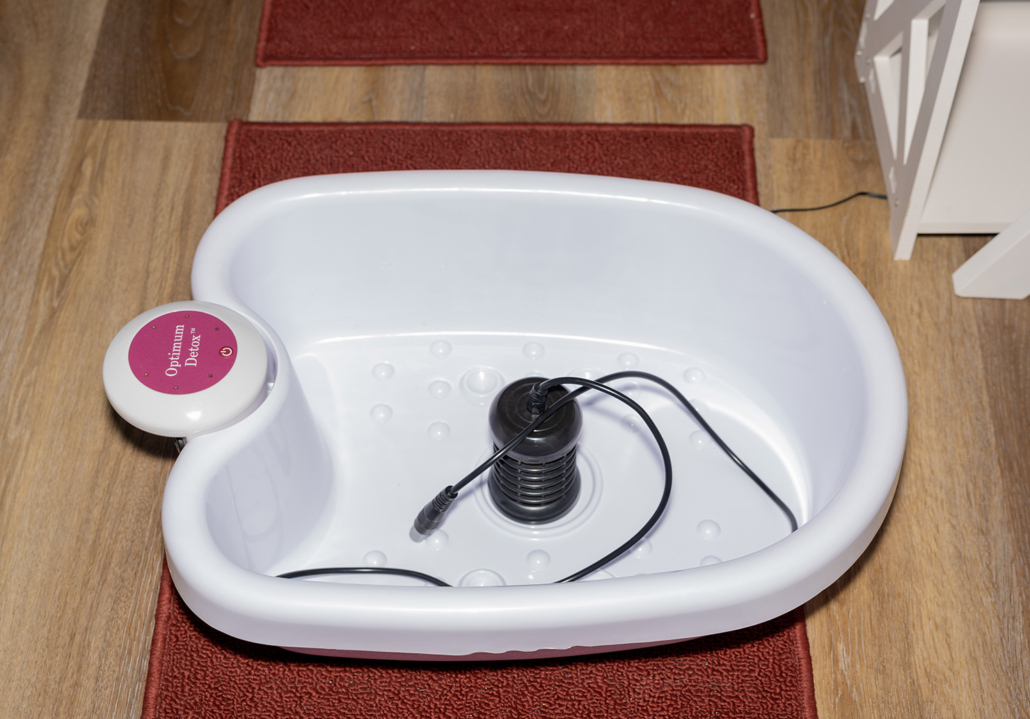
During an ionic foot detox session, your feet rest in warm water while an array in the basin uses a low-level electrical current. Many people enjoy the quiet pause, warmth, and sense of taking intentional time for themselves. The water may change color during the session, but that color change can occur because of the water, salt, and metal components of the array. It should not be used as a diagnosis or as proof that specific toxins have left the body.

Wellness services can be a lovely complement to a healthy routine, but they are not a replacement for medical care, prescribed treatment, or a conversation with your provider when something feels off. That distinction matters most when you have an ongoing health condition, are healing from an illness, or use a medical device.

Who Should Avoid Ionic Foot Detox Sessions?

The clearest reason to skip an ionic foot detox is an implanted electronic medical device. This includes a pacemaker, defibrillator, neurostimulator, insulin pump, cochlear implant, or another device that may be affected by electrical current. Even though the current used in a foot bath is low, it is not worth making assumptions about how it could interact with an essential device. Please choose another relaxing service unless the clinician managing your device has specifically cleared it.

Pregnant clients should also avoid ionic foot detox sessions. Pregnancy is a time to be especially selective about wellness treatments, even gentle ones. Your prenatal care team knows your health history and can help you decide which forms of rest and body care are appropriate for you.

If you have epilepsy, a seizure disorder, or a history of seizures, speak with your physician before considering any service that uses electrical current. Individual needs vary, and personal medical guidance is the safest place to start.

Wait if your feet have open skin or an active infection

An ionic foot bath is not appropriate when you have open cuts, sores, a rash, blisters, burns, athlete’s foot, a fungal infection, or another active skin concern on your feet. Warm water can be soothing, but soaking irritated or broken skin may cause discomfort and can create hygiene concerns.

It is better to wait until your skin has fully healed. If you are unsure whether a spot is simply dry skin or something that needs attention, check with a health care professional before booking.

Use extra care with diabetes, poor circulation, or reduced sensation

People living with diabetes, peripheral neuropathy, vascular disease, or circulation concerns should get individualized advice from their care team first. Reduced sensation can make it harder to notice if water is too warm or if the skin is becoming irritated. Circulation concerns and slow-healing wounds also deserve a more cautious approach to any foot soak.

This does not automatically mean every person with diabetes can never enjoy a wellness foot service. It means the decision should be based on your current health, foot condition, and clinician’s recommendations rather than a one-size-fits-all rule.

Pause during serious illness or recovery

If you are feeling unwell, have a fever, are recovering from surgery, or are managing a significant infection, give your body room to recover. A wellness appointment can wait. The same goes for anyone currently receiving intensive medical treatment or coping with a complex heart, kidney, or liver condition without guidance from their medical team.

Ionic foot detox should never be viewed as a treatment for a medical condition or a way to avoid needed evaluation. If symptoms are new, persistent, or worsening, the most supportive next step is to contact your provider.

When a Quick Provider Conversation Makes Sense

You do not need to be alarmed by every health detail, but it is wise to ask before booking if you take several medications, have a chronic condition, recently had a procedure, or simply do not know whether this service fits your circumstances. A brief question to your doctor, nurse practitioner, or specialist can replace uncertainty with clarity.

Be ready to share that the session involves soaking the feet in warm water with a low-level electrical array. Ask whether there is any reason related to your diagnosis, medications, skin condition, or implanted device that you should avoid it. If the answer is not a clear yes, choose a different way to unwind.

There are many comforting alternatives that do not involve an electrical foot bath. A quiet salt therapy session, gentle relaxation time, a nourishing body scrub at home, or even an unrushed evening with extra hydration and rest can still give you that cared-for feeling. Self-care works best when it meets you where you are.

A Few Practical Steps Before Your Appointment

If you are generally healthy and choosing an ionic foot detox as a relaxation service, arrive with clean, intact skin on your feet. Let your service provider know about any sensitivities, recent changes in your health, or discomfort you feel during the session. There is no need to push through pain, tingling, dizziness, skin irritation, or anything that does not feel right.

Hydration is a thoughtful habit before and after any warm foot soak, especially if your day has been busy. Wear comfortable shoes afterward, and give yourself a little time to enjoy the calm rather than rushing straight into the next obligation.

At Relax, Release, Renew Salt Cave, a personalized wellness experience starts with listening. Sharing relevant health information helps the team guide you toward a service that feels both peaceful and appropriate for your needs.

Let Comfort and Common Sense Lead

The best wellness appointment is one you can receive with ease. If you have an implanted medical device, are pregnant, have a seizure disorder, or have open skin or a significant health concern, skip the ionic foot detox until you have clear guidance from your care team. Choosing caution is not missing out on self-care. It is a caring way to honor your body, protect your peace, and save your restorative time for the moment it can truly feel good.

Halotherapy Session Beginner Guide for Your First Visit

Halotherapy Session Beginner Guide for Your First Visit

The first few quiet minutes inside a salt cave can feel unfamiliar in the best possible way. You settle into a comfortable chair, breathe in the softly salted air, and give yourself permission to be still. This halotherapy session beginner guide is here to make that first visit feel easy, comfortable, and entirely yours.

At Relax, Release, Renew Salt Cave, a session is designed to be a welcoming pause from the pace of everyday life. Whether you are seeking a peaceful reset after a demanding week, support for seasonal stuffiness, or a gentle addition to your skin care routine, you do not need experience to enjoy the space.

What happens during a halotherapy session?

Halotherapy, often called dry salt therapy, takes place in a calming salt cave environment. A halogenerator disperses finely ground, pharmaceutical-grade salt particles into the air. As you relax and breathe normally, those particles circulate through the room.

Your role is wonderfully simple: get comfortable, breathe, and rest. There is no workout to complete, no complicated routine to follow, and no pressure to do anything besides take time for yourself. Many guests read, meditate, listen to a calming audio track with headphones, or simply close their eyes.

Salt therapy is often chosen by people who want support for respiratory comfort, dry or irritated-looking skin, and stress relief. Some guests visit when seasonal changes leave them feeling congested. Others come because the quiet, low-stimulation setting gives them a genuine break from screens, schedules, and caregiving responsibilities.

Everyone experiences wellness services differently. A salt cave session is not a medical treatment and should not replace care from your health care provider. If you have a respiratory condition, an active infection, a fever, open wounds, or concerns about whether halotherapy is appropriate for you, check with your provider before booking.

Halotherapy session beginner guide: How to prepare

Preparation is minimal, which is part of the appeal. Come as you are, but wear comfortable clothing that lets you relax fully. Casual layers are a good choice, especially if you tend to feel cool when sitting still. Salt particles can settle lightly on clothing and hair, so many guests prefer fabrics that are easy to brush off afterward.

Try to arrive a few minutes early. That gives you time to settle in without rushing, use the restroom, ask questions, and transition out of the outside world. A session feels more restorative when you are not watching the clock from the moment you walk in.

You do not need to change your entire routine before your appointment. Still, it can help to avoid heavily scented lotions, perfumes, or hair products on the day of your visit. A salt cave is a shared wellness setting, and a fragrance-light approach helps everyone breathe more comfortably.

Hydration is also a thoughtful part of your preparation. Drink water before and after your session, particularly if dry air tends to make your throat or skin feel thirsty. You may wish to bring a water bottle for afterward, when you are ready to ease back into your day.

If you wear contact lenses and commonly experience dry eyes, consider bringing glasses as a backup. The dry salt environment may feel different from a typical indoor space. This is not a concern for everyone, but it is an easy comfort adjustment for those who are sensitive.

What the salt cave may feel like

Most first-time guests notice the atmosphere before anything else. The room is quiet, softly lit, and intentionally removed from the buzz of daily life. You may hear gentle ambient sound or simply enjoy the stillness. The goal is not to impress you with a complicated treatment. It is to create room for your body and mind to exhale.

As the session begins, you might notice a faint salty taste in the air or a little dryness in your nose or throat. These sensations are usually mild. Some people cough lightly as they settle in, especially if they are already feeling congested. Take slow, natural breaths and give yourself time to adjust.

For many people, the most noticeable result is relaxation. When your phone is put away and your only task is to rest, your shoulders often soften without being asked. Guests frequently leave feeling calmer, clearer, and more refreshed than when they arrived.

Results can vary. One guest may feel an immediate sense of ease, while another may decide that a few sessions fit their personal wellness rhythm better. Think of halotherapy as supportive self-care rather than a one-time cure. The most useful approach is to notice how you feel during and after your visit, then choose a schedule that works for your needs and budget.

A few simple first-visit etiquette tips

A salt cave is a peaceful shared space, so a little consideration helps protect the experience for everyone. Silence or very quiet conversation is usually appreciated. Keep your phone on silent and save calls, scrolling, and notifications for after the session.

If you are bringing a child or attending with a friend, follow the session guidance provided when booking. Some guests love sharing a wellness experience, while others prefer the solitude of quiet time alone. Neither choice is better. It simply depends on what kind of renewal you need that day.

Avoid eating messy snacks during the session, and wait to apply strong fragrances until afterward. If you need to cough, shift positions, or step out for a moment, do not feel self-conscious. Comfort matters, and a caring team can help you feel at ease.

How to make the most of your time

There is no perfect way to sit in a salt cave, but arriving with a gentle intention can make the time feel more meaningful. You might decide that this is your hour to release work stress. You may use it to take a few deeper breaths during allergy season. Or you may simply let yourself rest without needing a reason.

Try not to judge the experience while it is happening. You do not have to force relaxation or count every breath. Let the quiet work in its own way. If your mind is busy at first, that is normal. Often, it takes several minutes for the nervous system to realize it is allowed to slow down.

After your session, give yourself a soft landing if your schedule allows. Rather than racing immediately into errands or a packed meeting, leave a little space to drink water, take a short walk, or sit with the relaxed feeling for a few extra minutes. Pairing salt therapy with small acts of care, such as a nourishing salt scrub at home or an ionic foot detox appointment on another day, can help make wellness feel less like an occasional treat and more like a supportive rhythm.

Questions beginners often have

Will I be covered in salt afterward?

You may notice a light dusting of salt on your clothing or hair, but it is typically easy to brush away. Most guests can continue with their day as usual after a session.

Can I bring my phone or a book?

You may be able to bring quiet, non-disruptive items, depending on the session guidelines. A book can be lovely for some guests, while others find that leaving the phone behind helps them relax more fully.

How often should I go?

That depends on your goals, how your body responds, and your personal schedule. Some people enjoy a session as an occasional reset, while others build it into a regular self-care routine. Start with one visit and pay attention to what feels supportive for you.

Is halotherapy right for everyone?

Not always. Pregnant guests, people with certain health conditions, and anyone with active symptoms or medical concerns should speak with a qualified health care professional first. Honest questions are always welcome before you book.

Your first salt cave visit does not need to be a big wellness commitment. It can simply be one quiet hour set aside for breathing, resting, and remembering how good it feels to be cared for.

How to Plan a Self Care Day That Restores You

How to Plan a Self Care Day That Restores You

A self-care day does not need to be a packed schedule of beauty appointments, expensive purchases, or a perfect house before you can relax. Sometimes it begins with one quiet decision: today, I am going to care for myself with the same patience I give everyone else. Learning how to plan a self care day is less about doing more and more about creating space to rest, reset, and pay attention to what your body and mind have been asking for.

For busy professionals, caregivers, and anyone carrying a full mental load, that space can feel hard to claim. The goal is not to escape your responsibilities forever. It is to step out of the constant rush long enough to return to your life feeling calmer, more comfortable, and more like yourself.

Start With the Kind of Care You Need

Before you choose an activity, pause and check in. Self-care looks different when you are mentally tired than when you feel physically tense, congested, overstimulated, or disconnected from your own needs. A meaningful day is not built around what looks relaxing online. It is built around what would genuinely feel supportive right now.

You may need quiet and fewer decisions. You may need gentle movement after a week at a desk. You may want skin-focused care, a long shower, nourishing food, or time in a peaceful setting where no one needs anything from you. If your sinuses feel irritated or you simply want a calm, restorative environment, a salt therapy session can be a comforting part of the day as well.

Try finishing this sentence: “By the end of today, I want to feel…” Perhaps the answer is rested, lighter, clear-headed, cared for, or simply less rushed. Let that answer guide your choices.

How to Plan a Self Care Day Without Overfilling It

The most common mistake is turning self-care into another to-do list. A day meant to restore you can become exhausting when every hour is planned. Instead, choose one anchor experience and a few gentle supporting rituals.

Your anchor might be a booked wellness appointment, a massage, a yoga class, a nature walk, an afternoon nap, or a few uninterrupted hours at home. Once that is on the calendar, add only two or three things that make the experience feel complete. For example, you might enjoy a slow breakfast, a salt cave session, and an evening bath with a body scrub. That is enough.

Leave open space between activities. Do not plan a relaxing appointment for 2:00 p.m. and then schedule errands, grocery shopping, and a rushed dinner immediately afterward. The unhurried time before and after your chosen activity is part of the care. It gives your nervous system a chance to settle instead of shifting right back into pressure.

If you have children, a demanding job, or limited time, a full day may not be realistic. That does not mean you should skip self-care altogether. A protected two-hour window can be deeply restorative when you treat it as an appointment with yourself rather than something that can be pushed aside.

Make the Morning Feel Different

A self-care day starts more gently when you decide in advance what you will not do. If possible, silence nonessential notifications, avoid checking work email, and give yourself permission to leave the laundry folded tomorrow. Even one morning without rushing can change the tone of your entire day.

Begin with water, a cup of tea, or a breakfast that feels satisfying rather than convenient. Eat slowly if you can. Open a window, sit on the porch, or spend a few minutes outside before reaching for your phone. These small choices signal that the day has a different purpose.

You do not need an elaborate meditation practice to be present. Take five quiet minutes to breathe, stretch, write a few thoughts in a notebook, or simply notice how you feel. The point is not to perform calmness. It is to give yourself a moment where nothing needs to be solved.

Choose Comfort Over Perfection

Wear something that feels good on your body. Tidy one small area if clutter makes you uneasy, but do not turn the day into a cleaning project. Put on music that softens the room. Use the lotion, candle, face mask, or cozy blanket you have been saving for a special occasion.

The special occasion can be the fact that you need care today.

Include Care for Your Body

Physical comfort often helps the mind slow down, especially when stress has shown up as tight shoulders, shallow breathing, fatigue, dry skin, or restless sleep. Keep this part simple and choose what feels pleasant, not punishing.

A warm shower followed by a gentle salt scrub can leave skin feeling smooth and refreshed. A foot soak, light stretching, or a slow walk through a nearby park can help you reconnect with your body without asking it to perform. If you enjoy wellness services, consider booking an experience that lets you fully rest instead of managing the details yourself.

At Relax, Release, Renew Salt Cave, a quiet salt cave session or ionic foot detox can be a peaceful addition to a local self-care day, especially for someone craving stillness and personal attention. Think of it as protected time to settle into a calm environment, breathe deeply, and let the outside world wait for a while.

Be mindful of your own comfort level. A vigorous workout may feel energizing to one person and draining to another. A long afternoon nap may be restorative, or it may make it harder for you to sleep later. Self-care is personal, and the best choice is the one that supports your well-being rather than following a rule.

Feed Yourself With Care

Food does not have to be complicated to feel nurturing. Plan for meals that are easy, flavorful, and satisfying so you are not left hungry and trying to make decisions late in the day. Maybe that means fresh fruit with breakfast, a favorite soup and sandwich for lunch, or takeout from a local restaurant you enjoy.

Try to make one meal feel like an experience. Set the table, step away from screens, and eat at a pace that lets you notice the food. If cooking relaxes you, make something comforting. If cooking feels like another demand, choose the easier option without guilt.

Hydration belongs here, too. Keep water nearby, enjoy herbal tea, or add citrus or cucumber if that makes it more inviting. Small acts of care work best when they are easy to continue.

Protect the Emotional Reset

A self-care day can bring up an uncomfortable feeling for people who are used to being needed: guilt. You may think of unfinished work, someone else’s needs, or all the reasons you should be productive. When that happens, gently remind yourself that rest is not a reward you earn only after burnout.

Consider giving your mind a break from inputs that leave you tense. Limit doomscrolling, avoid conversations that routinely drain you, and choose entertainment that feels comforting instead of overstimulating. Read a few chapters of a book, listen to a favorite playlist, watch a familiar movie, or sit outside without filling every minute.

If reflection feels helpful, write down what has felt heavy lately and what has helped you feel better today. Keep it uncomplicated. You are not trying to solve your whole life in one afternoon. You are simply listening to yourself with more honesty.

End the Day in a Way That Helps Tomorrow

The best self-care days do not end with dread about the morning. Create a soft landing for tomorrow by doing one small favor for your future self. Set out clothes, prepare coffee, make a short list of priorities, or spend ten minutes returning your space to a comfortable state.

Then lower the lights, take another warm shower if that sounds lovely, and let your evening routine be slower than usual. A body scrub, moisturizer, clean pajamas, and fresh sheets can turn an ordinary night into a restorative ritual. Try to go to bed without treating sleep as the last item you have to accomplish.

Your self-care day does not have to look impressive to anyone else. If it gives you a little more room to breathe, a little more comfort in your body, and a reminder that your needs deserve attention, it has done exactly what it was meant to do.

A Dry Skin Self Care Routine That Comforts

A Dry Skin Self Care Routine That Comforts

When your skin feels tight before lunch, stings after a shower, or seems flaky no matter how much lotion you use, it usually means your routine is working against you instead of for you. A thoughtful dry skin self care routine is less about piling on products and more about creating steady comfort your skin can rely on every day.

Dry skin can show up for all kinds of reasons. Sometimes it is seasonal, especially when cold air, indoor heat, and windy days pull moisture from the skin. Sometimes it comes from long hot showers, harsh cleansers, stress, or simply using products that strip more than they soothe. And sometimes it is a mix of all of the above. The good news is that small changes, done consistently, often make the biggest difference.

Why a dry skin self care routine works better than random fixes

Most people treat dry skin only when it becomes impossible to ignore. They apply a thick cream at night, skip it the next morning, then try a scrub when flakes appear. That stop-and-start approach can leave skin confused and still uncomfortable.

A better approach is rhythm. Dry skin tends to respond well to gentle repetition – cleansing without overdoing it, sealing in moisture while skin is still slightly damp, and avoiding habits that quietly make things worse. Once your skin barrier starts to feel supported, you usually notice less tightness, less rough texture, and fewer irritated patches.

There is also a trade-off worth mentioning. The heaviest products are not always the best products. Some people need rich creams and balms, while others feel better with lighter layers used more often. It depends on your environment, your age, your skin sensitivity, and whether your dryness is mild, persistent, or tied to another skin condition.

Your morning dry skin self care routine

Mornings should feel protective, not complicated. If your skin is very dry, you may not need a full cleanse first thing. A rinse with lukewarm water can be enough, especially if you used richer products overnight. If you wake up feeling oily in certain areas, use a gentle cleanser that does not leave your face feeling squeaky or stripped.

Right after cleansing, apply a hydrating layer while your skin is still slightly damp. This could be a simple fragrance-free hydrating serum or essence, but it does not need to be elaborate. What matters is that you follow quickly with a moisturizer that helps hold that water in.

Look for a cream that feels comforting rather than glossy on the surface. Dry skin usually does well with ingredients that support the skin barrier, such as ceramides, glycerin, hyaluronic acid, and nourishing oils or butters. If your moisturizer disappears instantly and your skin still feels thirsty, that is a sign you may need a richer formula or a second thin layer.

Sun protection matters here too. Dry skin can become even more reactive when it is exposed to sun and wind day after day. A moisturizing sunscreen or a sunscreen layered over cream can help protect the progress you are making. If sunscreen tends to pill or cling to flakes, it often means the layers underneath need a minute to settle or the formula is not the right match for your skin.

The evening routine that helps dry skin recover

Night is when many people finally have a few quiet minutes to reset, and your skin benefits from that slower pace too. Start by removing makeup, sunscreen, and the day gently. If you wear heavier products, a cleansing balm or oil followed by a mild cleanser can work well, but if your skin is very dry, avoid turning every evening into an aggressive double-cleanse just because it is trendy.

After cleansing, hydrate first and then moisturize generously. Evening is often the best time to use a thicker cream because you are not layering makeup or rushing out the door. If certain spots get especially rough – around the nose, cheeks, hands, elbows, or knees – finish with a balm or ointment just on those areas to seal them in.

This is also where restraint helps. Dry, flaky skin can tempt you to exfoliate often, but over-exfoliating usually makes dryness worse. If you want to smooth texture, use a very gentle exfoliant sparingly, perhaps once a week, and only if your skin is not stinging or inflamed. If your skin feels raw, skip exfoliation entirely and focus on comfort first.

What to stop doing if your skin stays dry

Sometimes the fastest improvement comes from subtraction. Hot showers are one of the biggest culprits. They feel wonderful in the moment, especially when you are tired, but they can leave the skin barrier depleted. Try warm instead of hot water, and keep showers shorter when possible.

Harsh soaps are another common problem. If a cleanser leaves your skin feeling tight, that is not cleanliness – that is disruption. Fragrance can also be tricky. Some people tolerate it well, while others notice redness, itching, or extra dryness over time. If your skin has been unpredictable, a simpler formula is often the calmer choice.

Watch for habits that seem harmless too. Rubbing skin dry with a towel, skipping body lotion after bathing, or waiting too long to moisturize can all add up. Dry skin often improves when you treat those first few minutes after washing as part of the routine, not an afterthought.

Caring for dry skin beyond your face

For many people, the face gets all the attention while the body stays dry and uncomfortable. If your arms, legs, hands, or feet are rough, apply body cream right after bathing while skin is still slightly damp. This single habit is one of the most reliable ways to improve body dryness.

Hands deserve extra care because frequent washing and sanitizing can leave them cracked and tender. Keep a hand cream near the sink, in your car, or at your desk so moisture is easy to reapply. At night, a thicker hand treatment can make a noticeable difference by morning.

Gentle body exfoliation can help if your skin feels dull or uneven, but it should feel smoothing, not abrasive. Salt-based body care can be part of that ritual when used thoughtfully and followed with rich moisture. The key is to avoid scrubbing skin that is already irritated or broken. Exfoliation should support softness, not force it.

Lifestyle habits that support a dry skin self care routine

Dry skin is not only about what goes on your skin. Stress, sleep, indoor air, and daily pace can all affect how your skin feels. When you are run down, your whole body can feel less resilient, and skin often shows it first.

That is why self-care works best when it is broader than products alone. Restful routines, time away from constant stimulation, and moments that help your body relax can support the sense of balance your skin has been missing. For some people, that means creating a calmer evening ritual at home. For others, it means making time for a wellness service that allows them to step away, breathe deeply, and reset.

At Relax, Release, Renew Salt Cave, we often see how closely skin comfort and overall well-being are connected. When people give themselves space to slow down and care for both stress and dryness, the results feel more complete.

When your routine needs adjusting

Even a good routine may need to shift with the season. Winter usually calls for richer textures, less exfoliation, and more frequent moisturizing. Summer dryness can be different – sometimes caused by sun, air conditioning, or over-cleansing after sweat and sunscreen. The answer is not always heavier products. Sometimes it is gentler cleansing and better timing.

If you try a routine for a few weeks and your skin is still persistently itchy, cracked, inflamed, or painful, it may be time to get professional guidance. Severe dryness can overlap with eczema, dermatitis, or sensitivities that need a more specific plan. Self-care can be deeply helpful, but it should not mean ignoring signs that your skin needs extra support.

A comforting routine for dry skin is really a promise to be gentler with yourself. The goal is not perfect skin by tomorrow. It is waking up, washing up, and moving through your day with a little less discomfort and a little more ease.

Who Should Avoid Halotherapy?

Who Should Avoid Halotherapy?

If you are curious about salt therapy but wondering who should avoid halotherapy, that is a smart place to begin. A relaxing session should feel supportive, not uncertain, and the best wellness experiences start with knowing when something is a good fit and when it may be better to wait.

Halotherapy is often chosen for a sense of calm, easier breathing, and a little space to reset. Many guests love the quiet, restorative atmosphere of a salt cave and the gentle self-care it offers. At the same time, salt therapy is not for every person in every season of life. Wellness works best when it honors your individual needs, current symptoms, and comfort level.

Who should avoid halotherapy before booking

The short answer is that people with certain medical conditions, active infections, or symptoms that are not stable should speak with a healthcare provider before trying halotherapy. In some cases, the better choice is to avoid it entirely. This is not about fear. It is about making room for thoughtful care.

If you have a fever, a contagious illness, or an active respiratory infection, it is wise to stay home and recover first. Even if the environment feels soothing, your body may need rest more than stimulation. It also protects other guests and keeps the space comfortable for everyone.

People with severe or uncontrolled asthma should be especially cautious. Some individuals find dry salt air refreshing, while others may feel irritated by it, particularly if their airways are already reactive. If you rely on rescue medication often, have frequent flare-ups, or feel short of breath easily, it is best to get medical guidance before booking a session.

Those living with serious lung conditions should take the same careful approach. Chronic obstructive pulmonary disease, advanced emphysema, pulmonary fibrosis, or other significant breathing disorders can make any airborne environment feel unpredictable. What feels mild to one person may feel uncomfortable to another.

Health situations that may not mix well with salt therapy

There are a few situations where halotherapy may not be the right choice, at least for now. People with active tuberculosis, serious infectious respiratory conditions, or a current cough with unknown cause should avoid salt therapy until they have been evaluated. The same is true for anyone coughing up blood or dealing with unexplained chest symptoms.

Certain heart conditions also deserve extra care. If you have uncontrolled high blood pressure, recent heart problems, or symptoms like chest pain, dizziness, or swelling that are not well managed, a wellness session should not come before medical support. Salt therapy is meant to be calming, but it is not a substitute for treatment.

People with severe claustrophobia or panic that may be triggered by sitting in an enclosed room may also want to pause. Even in a beautifully designed, peaceful space, comfort matters. Some guests settle in right away, while others realize they would feel better starting with a shorter visit or choosing another form of self-care.

If you have a condition that affects your ability to regulate breathing, remain seated comfortably, or communicate distress, it is worth having a conversation before scheduling. A personal wellness experience should always feel safe and supportive.

When temporary symptoms mean you should wait

Not every reason to avoid halotherapy is permanent. Often, the right answer is simply not today.

If you are dealing with a sinus infection, a sore throat that is getting worse, a heavy cough, or a lot of mucus, your body may need time before salt therapy feels pleasant. Dry salt air can feel cleansing to some people, but when tissues are already inflamed, it may feel too intense.

The same goes for skin that is badly cracked, raw, or actively irritated. Many people enjoy salt-based wellness experiences for skin support, but open or highly sensitized areas may sting or become more uncomfortable. Waiting until the skin has calmed down is often the kinder choice.

Pregnancy can also fall into the it depends category. Some expecting mothers enjoy gentle wellness services, while others prefer to keep things very simple during pregnancy. Halotherapy is not heavily medicalized, but that does not mean every service is ideal during every trimester or for every pregnancy. If you are pregnant, a quick check-in with your provider can offer peace of mind.

Who should avoid halotherapy because of sensitivity

Some people are not medically unable to try salt therapy, but they are more sensitive to dry environments. That matters too.

If your nose tends to become very dry, if you get frequent nosebleeds, or if dry air quickly irritates your throat, halotherapy may feel less relaxing than you hoped. The same can be true for people with very sensitive skin or sensory sensitivities. Salt therapy should feel nurturing, not like something you have to tolerate.

Children and older adults may also need more individualized consideration. Age alone does not mean someone should avoid halotherapy, but comfort, breathing stability, mobility, and the ability to sit through a session all matter. A personalized approach is always better than assuming one experience fits everyone.

There is also the simple question of expectation. If you are seeking immediate treatment for a significant medical issue, halotherapy is not the place to put all your hopes. It can be part of a wellness routine for some people, but it should not replace medical care, prescribed medications, or urgent evaluation.

How to decide if halotherapy is right for you

If you are unsure who should avoid halotherapy, start with how you feel today rather than how you felt last month. Are your symptoms stable? Are you breathing comfortably? Is your body asking for calm support, or does it need medical attention first?

A few gentle questions can help. If you answer yes to any of them, pause before booking and check with your healthcare provider.

  • Do you have a fever, active infection, or contagious illness?
  • Are your asthma or breathing symptoms not well controlled?
  • Have you had recent chest pain, severe shortness of breath, or serious heart concerns?
  • Are you dealing with unexplained coughing, coughing up blood, or a worsening respiratory issue?
  • Does dry air usually make your symptoms worse?

This kind of pause is not a barrier to self-care. It is part of self-care. It helps you choose the right support at the right time.

A thoughtful approach to booking your first session

For many guests, halotherapy feels like a peaceful exhale. For others, especially those with health questions, the most comfortable path is to ask first, then book with confidence. If your provider says salt therapy is reasonable for you, you can walk in feeling more relaxed and more present.

It also helps to be honest about your goals. Maybe you want a moment of quiet after a stressful week. Maybe you are hoping to feel a little more open through the nose during allergy season. Maybe your skin feels dry and you want a gentle wellness ritual. Those are very different goals from trying to manage a serious medical condition, and setting the right expectation makes the experience more satisfying.

At a welcoming local space like Relax, Release, Renew Salt Cave, comfort and personal attention should be part of the experience from the beginning. Asking questions before your visit is never inconvenient. It is one of the best ways to make sure your session matches your needs.

The gentle middle ground

Sometimes the answer is not yes or no. It is not now, or not without guidance, or maybe a shorter session would feel better. That middle ground matters. Wellness is rarely one-size-fits-all.

If you have mild, well-managed concerns and your provider is comfortable with you trying halotherapy, paying attention to your body during and after the session is key. If you feel soothed, wonderful. If you feel irritated, lightheaded, or uneasy, that feedback matters too. A good wellness routine listens to your body instead of pushing past it.

Choosing carefully does not take away from the beauty of salt therapy. It protects it. The most restorative experiences are the ones that meet you where you are, with care, patience, and a little breathing room to decide what feels right.

Can Salt Therapy Help Dry Cough?

Can Salt Therapy Help Dry Cough?

That dry, tickly cough that keeps showing up at bedtime or in the middle of a busy day can wear you down fast. If you have been wondering, can salt therapy help dry cough, the honest answer is that it may help some people feel more comfortable, especially when dryness, mild irritation, or environmental triggers are part of the picture. It is not a cure-all, and it is not a substitute for medical care, but it can be a gentle wellness option that supports easier breathing and a calmer body.

Can salt therapy help dry cough in real life?

For many people, a dry cough is less about mucus and more about irritation. The throat may feel scratchy, the airways may feel sensitive, and even talking, laughing, or stepping into dry indoor air can set it off. In those cases, salt therapy may be appealing because it is designed to create a quiet, relaxing environment where you breathe in tiny salt particles during a session.

Some guests say they leave feeling like their breathing is more open or their throat feels less aggravated. Others simply notice that the deep rest of the session helps them settle down, which matters more than people think. Coughing often gets worse when the body is tense, tired, or already overstimulated.

What salt therapy does best is support a sense of respiratory comfort and relaxation. That does not mean every dry cough will respond the same way. A cough caused by seasonal dryness may feel very different from one tied to reflux, asthma, allergies, or a lingering infection.

Why a dry cough happens in the first place

Dry cough is a symptom, not a single condition. Sometimes it shows up after a cold and lingers for weeks because the throat and airways are still sensitive. Sometimes it is tied to allergies, dry heat, dust, smoke, talking too much, or spending long hours in air-conditioned spaces.

Other times, the cause is less obvious. Acid reflux can trigger a cough without classic heartburn. Asthma can present as coughing more than wheezing. Certain medications can do it too. That is why the question is not only can salt therapy help dry cough, but also what is causing the cough in the first place.

When you know the likely trigger, it becomes easier to tell whether a salt session could be a comforting addition to your routine or whether it is time to look deeper.

How halotherapy may support dry cough symptoms

Halotherapy is often chosen by people who want a natural-feeling wellness experience that also gives them permission to pause. In a salt cave or halotherapy room, the setting itself matters. Calm lighting, quiet time, and intentional rest can lower that stressed, shallow-breathing feeling that sometimes makes a cough more noticeable.

The salt side of the experience is what most people are curious about. Dry salt therapy uses fine salt particles dispersed into the air. Supporters of halotherapy often seek it out for respiratory comfort, especially when they are dealing with minor irritation, congestion, or seasonal discomfort.

With a dry cough, the benefit may be indirect as much as direct. If your throat feels irritated by your environment, or your airways feel reactive after a recent cold, sitting in a soothing space and breathing steadily may help you feel less aggravated. If stress is making everything feel tighter, a session may help your body shift out of that tense state.

That said, results vary. Some people notice relief quickly. Others feel only the relaxation benefits. A dry cough with a more medical cause may not change much at all.

When salt therapy may be most helpful

Salt therapy tends to make the most sense when a dry cough is mild, ongoing, and connected to irritation rather than something urgent. Think of the person who feels scratchy from dry winter air, the teacher or speaker whose throat feels worn out, or the busy caregiver who has not really rested since getting over a cold.

It can also be a nice fit for people who are trying to build a wellness routine around prevention and support. Instead of waiting until they feel completely run down, they choose regular quiet time that helps them reset physically and mentally.

For this kind of person, a salt session is often about more than the cough. It is about creating space to breathe, unwind, and feel cared for. That combination is one reason local wellness businesses like Relax, Release, Renew Salt Cave resonate with people who want support that feels gentle and personal.

When salt therapy may not be enough

There are times when a dry cough needs more than a wellness session. If the cough is severe, painful, keeps you from sleeping, or lasts more than a few weeks, it is worth checking in with a healthcare professional. The same is true if you have fever, chest pain, shortness of breath, wheezing, or cough up blood.

Salt therapy should also be approached thoughtfully if you have a chronic lung condition or if coughing tends to worsen in enclosed environments. Some people do very well with halotherapy, while others need medical guidance before trying anything new.

A good rule is simple: if your dry cough feels minor and irritating, salt therapy may be a comforting option to explore. If it feels persistent, intense, or connected to other symptoms, start with medical advice.

What to expect from a session if you have a dry cough

If you are new to halotherapy, it helps to go in with balanced expectations. A session is not meant to feel harsh or intense. Most people settle into a comfortable seat, relax, and breathe normally. The goal is not to force anything. It is to let the environment do the work while your body gets a chance to be still.

You may notice your throat feels different during or after the session. Some people feel soothed. Some notice a little more awareness in their throat at first, especially if they are already sensitive. That does not always mean the session is not working. It may simply mean your airways are reactive and need time.

Hydration matters here. If your cough is dry, drinking water before and after a session can help support comfort. It is also smart to pay attention to patterns. Did your cough feel calmer that evening? Did you sleep better? Did the irritation return right away? Those details can tell you whether salt therapy feels worthwhile for your body.

Can salt therapy help dry cough better with other simple habits?

Often, yes. A dry cough usually responds best to a few supportive habits working together. Salt therapy may be one piece of the puzzle, but everyday choices matter too.

If your home air is dry, adding moisture to the room may help. If your throat is irritated, staying hydrated can make a real difference. If allergies are involved, reducing exposure to triggers may matter more than any single treatment. And if stress is part of the cycle, making time for true rest is not extra. It is part of the care.

This is where a wellness-centered approach can feel especially helpful. Rather than asking one service to do everything, you build a routine that supports your body from several angles.

The honest answer to can salt therapy help dry cough

Yes, salt therapy may help dry cough for some people, especially when the cough is tied to mild irritation, dryness, stress, or post-cold sensitivity. The benefit often comes from a blend of respiratory support and deep relaxation, not from a one-size-fits-all promise.

No, it is not guaranteed. Dry cough has many causes, and some need medical treatment rather than wellness support. That is the trade-off to keep in mind. Salt therapy can be a gentle addition, but it works best when your expectations are grounded and your symptoms are appropriate for self-care.

If your cough feels mild but stubborn, and you have been craving a quiet place to breathe and reset, a salt session may be worth trying. Sometimes the body responds well to simple, steady care. And even when relief is gradual, giving yourself a calm hour to rest is rarely wasted.