
Halotherapy vs Nebulizer Treatment Compared

Halotherapy vs Nebulizer Treatment Compared

A stuffy nose before a busy workweek, seasonal dryness, or that lingering feeling of never quite taking a full breath can leave anyone searching for relief. When people compare halotherapy vs nebulizer treatment, they are often really asking a more personal question: “What kind of support feels right for me today?” One offers a quiet wellness experience in dry salt air. The other delivers a measured mist, often as part of a medical care plan.

Both may have a place in your routine, but they are not interchangeable. Understanding the difference can help you choose with more confidence and care.

What Halotherapy Feels Like

Halotherapy, often called dry salt therapy, takes place in a salt cave or salt room designed for relaxation. During a session, a halogenerator disperses tiny dry salt particles into the air. You simply settle into a comfortable chair, breathe normally, and give yourself permission to pause.

At Relax, Release, Renew Salt Cave, the experience is intentionally unhurried. The calming setting matters just as much as the session itself. For many guests, time in the salt cave is a chance to step away from noise, screens, responsibilities, and the constant pace of daily life.

People commonly seek halotherapy when they are feeling congested, dealing with seasonal discomfort, noticing dry or tired-looking skin, or craving a restorative reset. Some guests say they leave feeling clearer, more relaxed, or more comfortable after spending time in the salt cave. Individual experiences vary, and halotherapy should be viewed as a complementary wellness service rather than a diagnosis, cure, or replacement for medical treatment.

The appeal is gentle and experiential. There is no mask to wear, no medication to measure, and no task to complete. You are there to rest.

What a Nebulizer Treatment Does

A nebulizer is a medical device that turns liquid medication or saline into a fine mist that can be inhaled through a mouthpiece or mask. It is commonly used for people with asthma, COPD, bronchitis, certain respiratory infections, or other conditions that affect breathing.

The liquid placed in a nebulizer is important. Depending on a clinician’s recommendation, it may be a prescribed medication that helps open airways, reduce inflammation, or address other respiratory needs. In some cases, saline may be used to add moisture or help loosen mucus.

Unlike a salt cave session, nebulizer treatment is generally practical rather than relaxing. It is often done at home, in a doctor’s office, or in a clinical setting. The goal is targeted delivery of a specific liquid treatment, especially when a person needs help managing symptoms or has difficulty using another type of inhaler.

If you have been prescribed a nebulizer, follow the instructions from your healthcare provider. Do not put salt, essential oils, tap water, or any unapproved substance into the device. A nebulizer is not a DIY wellness tool – it is equipment that needs the right solution, cleaning, and guidance to be used safely.

Halotherapy vs Nebulizer Treatment: The Key Difference

The simplest distinction is this: halotherapy is a dry salt-air wellness experience, while a nebulizer delivers liquid mist for a medical or clinician-guided purpose.

Halotherapy is usually chosen for comfort, relaxation, and complementary support. A session can be especially inviting when life feels overstimulating and your body is asking for a quieter kind of care. The salt cave environment supports the emotional side of wellness, too. You are not only taking time to breathe – you are creating space to slow down.

Nebulizer treatment is more appropriate when there is a diagnosed respiratory condition, acute symptoms, or a care plan that calls for inhaled medication or saline. If you are wheezing, struggling to breathe, having chest pain, experiencing blue lips or face, or noticing symptoms that feel severe or unfamiliar, seek prompt medical attention rather than relying on any wellness service.

The two options can serve very different needs. One is about restoration. The other may be part of treatment.

When a Salt Cave Session May Be the Better Fit

A halotherapy session may be a lovely choice if you want to support your self-care routine in a peaceful setting. It can fit naturally into a day when you need to decompress after work, reset after caring for everyone else, or give yourself a quiet break during a stressful season.

It may also appeal to those who prefer non-invasive wellness experiences. You do not need to bring equipment, remember doses, or learn a treatment routine. You simply arrive, get comfortable, and enjoy the stillness.

For guests managing mild, occasional concerns such as seasonal stuffiness or dry skin, salt therapy may feel like a welcome addition to hydration, rest, skincare, and other healthy habits. It is also a thoughtful option for someone who feels well physically but needs dedicated time to relax.

That said, a salt cave is not the right answer for every situation. Anyone with a serious respiratory condition, active infection, fever, uncontrolled asthma, or questions about whether salt therapy is appropriate should check with a healthcare professional first. Personalized advice matters, especially when breathing is involved.

When a Nebulizer Is the Better Fit

A nebulizer is the clearer choice when a medical professional has recommended one. For someone with asthma flare-ups, COPD, or another diagnosed breathing concern, prescribed inhaled medication can be essential. In those moments, clinical care comes first.

A nebulizer may also be useful when symptoms are interfering with sleep, activity, or the ability to breathe comfortably, and a clinician has advised a specific treatment. The device is designed to deliver what your body needs in a controlled way. It should not be compared to a wellness session as though one can replace the other.

If you are unsure whether your symptoms are routine seasonal discomfort or something that needs medical evaluation, choose caution. A healthcare provider can help you understand what is happening and whether a nebulizer, inhaler, medication, allergy support, or another approach makes sense.

Can You Enjoy Halotherapy If You Use a Nebulizer?

For many people, the answer may be yes, but the decision should be personal. If you use a nebulizer as part of an established care plan and your provider is comfortable with you enjoying complementary wellness services, a salt cave visit may offer a peaceful way to support relaxation between appointments or treatments.

The key is to keep the roles clear. Continue prescribed medications and follow your clinician’s direction. Think of halotherapy as time set aside for comfort and renewal, not as a substitute for the care that keeps a health condition managed.

Before your first session, share relevant concerns with the salt cave team and ask your healthcare provider if you have questions. A caring wellness experience should always leave room for informed choices.

Choosing the Support You Need Today

There is value in knowing what your body is asking for. Sometimes that means scheduling an appointment with a medical professional and using the treatment you have been prescribed. Other times, it means giving yourself 45 minutes in a peaceful salt cave, away from the to-do list, with nothing expected of you but rest.

If what you need is a calm, nurturing pause that supports your broader wellness routine, a salt therapy session can be a meaningful act of self-care. Give yourself the same attention and tenderness you so freely offer everyone else.

Halotherapy Success Stories for Congestion

Halotherapy Success Stories for Congestion

A congested day can feel much bigger than a stuffy nose. It can mean waking up tired, struggling to focus at work, skipping a walk because breathing feels uncomfortable, or feeling like your usual self-care routine is no longer enough. That is why halotherapy success stories for congestion often resonate so deeply: they are less about a quick fix and more about the relief of feeling comfortable in your own body again.

At Relax, Release, Renew Salt Cave, guests often come in looking for a quiet, natural-feeling way to support their wellness routine. Some are managing seasonal discomfort, some feel the effects of dry indoor air, and others simply want a peaceful place to slow down when congestion has left them feeling worn down. Their experiences are personal, but many share similar themes of relaxation, clearer-feeling breathing, and a renewed sense of calm.

What People Mean When They Call Halotherapy a Success

Success can look different from one guest to the next. For someone with occasional seasonal congestion, it may mean leaving a session feeling less stuffy and more comfortable. For a busy caregiver who has been carrying stress in their shoulders and chest, it may be the rare opportunity to sit still, breathe deeply, and feel rested. For someone who regularly deals with dry nasal passages, it may be the gentle comfort they notice during or after a session.

Halotherapy, also called dry salt therapy, takes place in a salt-focused environment designed for rest and respiratory wellness support. During a session, guests settle into a comfortable chair in the salt cave while dry salt particles are dispersed into the air. The experience is quiet, unhurried, and intentionally simple. There is nothing to perform and nowhere else to be.

The stories that stay with people are usually not dramatic. They sound more like, “I finally felt like I could take a full breath,” or “My face did not feel as heavy afterward,” or “I slept better that night because I actually relaxed.” Those small changes can matter when congestion has been interrupting daily life.

Halotherapy Success Stories for Congestion Often Start With Consistency

Many guests try a salt session when they are already feeling uncomfortable, hoping for immediate relief. Some do notice a pleasant difference after one visit, particularly the soothing feeling of sitting in a calm, dry environment and taking intentional breaths. Still, the most meaningful halotherapy success stories for congestion often come from people who make sessions part of an ongoing wellness rhythm.

Think of it like other forms of self-care. One restorative yoga class can feel wonderful, but a regular practice often creates a more lasting sense of support. The same may be true for people who enjoy halotherapy. They may choose appointments during high-pollen months, after travel, during periods of dry weather, or whenever their normal routine has left them feeling run down.

A regular guest might describe the difference this way: instead of waiting until they feel miserable, they make space for a session before congestion and stress become the center of their week. That shift alone can feel empowering. It turns self-care from an afterthought into a comforting appointment with themselves.

The seasonal comfort story

Seasonal changes can be especially frustrating in the Richmond area. A beautiful day outdoors may be followed by a stuffy evening indoors. People who are sensitive to pollen or changing weather often look for gentle additions to the routines they already use, such as hydration, showers after spending time outside, clean bedding, and time in a calming environment.

In these stories, the salt cave becomes a peaceful reset. Guests may arrive feeling like their head is full or their breathing feels less open than usual. They leave describing a lighter, clearer feeling and the comfort of having taken time to care for themselves. That does not mean every session will feel identical, but it explains why many return during the seasons that tend to challenge them most.

The stress-and-congestion story

Congestion and stress can make each other feel worse. When you are tense, you may breathe more shallowly, sleep less soundly, and have less patience for the small discomforts that pile up during a busy week. A salt cave session offers a different pace.

The experience gives guests permission to put down their phones, settle into the quiet, and let their breathing become the only thing they need to notice. Some people say the relaxation is just as valuable as the respiratory comfort. Even when congestion does not disappear overnight, feeling calmer can make the day feel more manageable.

The dry-air story

Heating, air conditioning, travel, and long hours indoors can leave the nose and throat feeling dry and irritated. Guests who share this concern often appreciate the gentle, restful setting of a salt therapy session. They may pair their appointment with simple at-home habits, such as drinking more water, using a humidifier when appropriate, or taking a warm shower before bed.

The best stories here are realistic. A guest may say they felt more comfortable, less dry, or simply more refreshed afterward. Those are worthwhile experiences, especially for someone seeking non-invasive self-care that fits easily into a full schedule.

Why the Setting Matters as Much as the Salt

A successful experience is not only about what happens in the air. It is also about what happens when a person steps away from constant demands. The salt cave is designed to feel separate from errands, meetings, family responsibilities, and noise. That sense of refuge can be powerful for people who rarely give themselves uninterrupted time to rest.

For many guests, the first few minutes are the hardest. They may feel restless or mentally run through their to-do list. Then the room becomes quiet, their shoulders lower, and the pace changes. By the end of the session, they often describe feeling peaceful, grounded, and more present.

That emotional reset should not be overlooked. Congestion can be physically uncomfortable, but it can also make people feel drained and disconnected from the activities they enjoy. A soothing environment can help restore a sense of ease, even when life outside the cave remains busy.

Setting Gentle, Realistic Expectations

Halotherapy is a wellness service, not a replacement for medical care. It is not intended to diagnose, treat, cure, or prevent illness, and individual experiences vary. Some guests feel a noticeable difference after one session. Others primarily value the quiet, relaxation, and consistent self-care ritual. Some may decide it is not the right fit for their needs.

If congestion is severe, persistent, accompanied by fever, chest pain, wheezing, facial swelling, shortness of breath, or other concerning symptoms, it is wise to speak with a qualified health care professional. People with chronic respiratory conditions, serious health concerns, or questions about whether salt therapy is appropriate should also check with their provider first.

The most satisfying approach is to arrive curious rather than pressured. Wear comfortable clothing, come hydrated, and allow yourself to rest without expecting a particular outcome. Notice how you feel during the session, later that day, and after a few visits if you choose to return. Your own experience is the one that matters most.

Making Your Session Part of a Comfort Routine

Halotherapy tends to feel most supportive when it lives alongside everyday wellness habits. A session can be a beautiful complement to staying hydrated, prioritizing sleep, managing known environmental triggers, and creating small moments of calm at home. It can also be a thoughtful choice before a demanding week, after travel, or when seasonal changes have you craving extra care.

There is no need to wait until you are at your limit to make room for restoration. Book a session when you want a quieter hour, a more intentional breath, and a welcoming space devoted to helping you relax, release, and renew. Sometimes the most encouraging success story begins with giving yourself permission to pause.

A Guide to Exfoliating Body Scrubs at Home

A Guide to Exfoliating Body Scrubs at Home

A warm shower can feel like a small reset after a long workday, a busy week of caregiving, or an afternoon spent outside in Virginia heat. This guide to exfoliating body scrubs helps you make that moment more nourishing. With the right scrub and a gentle touch, you can smooth away dry, dull-feeling skin while turning an ordinary shower into a few unhurried minutes of care.

Body scrubs are simple, but they are not one-size-fits-all. The best routine depends on your skin, the season, and how your body feels that day. Exfoliation should leave you comfortably soft, never red, tight, or tender.

What a Body Scrub Does for Your Skin

Body scrubs use fine grains, often salt or sugar, to gently lift away the surface layer of dry, flaky skin. As that buildup is rinsed away, skin can feel smoother and look more refreshed. Applying moisturizer after exfoliating may also feel especially satisfying because it can spread more evenly over freshly smoothed skin.

For many people, the biggest benefit is sensory. The soft massage of a scrub, the warmth of the water, and a few quiet breaths can make a shower feel more restorative. It is a practical form of self-care that does not need a special occasion.

Salt-based scrubs have a naturally textured feel and are often appreciated on areas that get especially dry or rough, such as elbows, knees, heels, and the backs of the arms. Depending on the formula, nourishing oils can help cushion the exfoliation and leave behind a comfortable, conditioned finish.

Still, more scrubbing does not mean better results. Your skin barrier does important work, including holding in moisture and helping protect skin from environmental irritants. Overdoing physical exfoliation can disrupt that balance, especially during colder months or when indoor heat leaves skin feeling dry.

A Guide to Exfoliating Body Scrubs Without Overdoing It

The easiest place to start is once a week. If your skin tolerates exfoliation well and you enjoy the results, you may be comfortable using a gentle body scrub up to two times a week. Those with very dry, sensitive, or easily irritated skin may prefer every other week, or may find a soft washcloth is a better option.

Use your scrub on damp skin near the end of a warm shower or bath. Very hot water can already leave skin feeling dry, so warm water is a kinder choice. Scoop out a small amount with clean, dry hands or a spoon, then massage it over your body in small, light circles.

There is no need to press hard. Let the grains do the work. Spend a little extra time on rough spots, but keep the pressure light on thinner or more delicate areas. Rinse thoroughly, pat yourself dry with a towel, and apply body cream or oil while your skin is still slightly damp.

A good exfoliation routine should feel soothing from start to finish. If your skin stings, becomes noticeably red, or feels raw afterward, take a break and use less pressure or a gentler formula next time.

Where to Use a Body Scrub

Body scrubs are best reserved for the body rather than the face. Facial skin is generally more delicate and can be easily irritated by coarse particles. Choose a product specifically made for facial exfoliation if that is part of your skincare routine.

On the body, focus on places that tend to feel rough: elbows, knees, feet, ankles, hands, and areas affected by shaving. If you use a scrub before shaving, do it gently and avoid exfoliating immediately after shaving, when skin may be more sensitive.

Skip scrubbing over cuts, rashes, sunburn, fresh tattoos, bug bites, or any area that is already irritated. If you have eczema, psoriasis, a skin condition, or are using prescription skincare treatments, it is wise to ask a dermatologist what kind of exfoliation is appropriate for you.

Choosing the Right Scrub Texture

The texture of a scrub matters as much as the scent. A fine-grain scrub is usually a comfortable choice for regular body care, while a coarser texture may be better saved for resilient areas like heels and elbows. If you are new to body scrubs, begin with a small amount on one area of your body and notice how your skin responds.

Salt and sugar scrubs each offer a slightly different experience. Sugar granules tend to dissolve more quickly in water and can feel gentler. Salt scrubs often have a more invigorating, spa-like texture and are a lovely choice when your skin needs smoothing care, provided they are used gently. Salt can sting on freshly shaved skin or tiny nicks, so timing matters.

Look for a scrub with skin-softening oils or butters if your skin is dry. These ingredients can help offset the feeling of moisture loss that sometimes follows exfoliation. If you prefer a lighter finish, choose a formula that rinses cleanly and follow with your favorite moisturizer.

Fragrance is personal, too. A calming scent can make your routine feel more intentional, while an unscented scrub may be the more comfortable option for scent-sensitive skin. Your ideal product is one you look forward to using and that leaves your skin feeling calm, not overwhelmed.

Make It a Small Ritual, Not Another Chore

A body scrub works best when it fits into real life. You do not need an elaborate bathroom routine or an hour set aside. Try keeping your scrub nearby for the evening shower before a day off, after a workout, or before an at-home pedicure. That little bit of consistency can help you notice when your skin needs extra care.

Create a gentler atmosphere if you can. Set your phone aside, take a few slower breaths, and pay attention to how the warm water feels across your shoulders. This is especially meaningful when you spend much of your day caring for everyone else. A few peaceful minutes can be a reminder that your own comfort deserves room, too.

For an elevated home ritual, exfoliate, rinse, moisturize, and put on soft socks or comfortable pajamas. You do not have to earn this kind of care. It can simply be part of feeling more at home in your body.

Common Body Scrub Mistakes to Avoid

The most common mistake is using a scrub too often because skin feels wonderfully smooth right away. That smoothness can be tempting, but daily scrubbing can lead to dryness and sensitivity. Give your skin time between sessions and let its comfort guide the schedule.

Another mistake is pairing too many exfoliating products at once. If you use a body wash, lotion, or treatment containing chemical exfoliants such as alpha hydroxy acids or salicylic acid, be cautious about adding a physical scrub the same day. Some people can use both with no concern, while others may find the combination too intense. Alternating days is often a gentle approach.

Finally, do not skip moisturizer. Exfoliation removes surface dryness, but moisture is what helps skin feel supple afterward. A simple cream, lotion, or body oil applied promptly after your shower can make all the difference.

Bring the Spa Feeling Home

At Relax, Release, Renew Salt Cave, we believe self-care can be both calming and practical. A salt-based body scrub is a beautiful way to carry a little of that restorative feeling into your home routine, whether you are preparing for a relaxing evening or simply giving tired feet and dry elbows some attention.

Let your skin set the pace. Use a gentle touch, choose a texture that feels good, and allow the ritual to be a quiet pause in your day. Sometimes renewal begins with something as simple as warm water, softened skin, and a few minutes that belong entirely to you.

7 Top Calming Wellness Treatments Worth Trying

7 Top Calming Wellness Treatments Worth Trying

Some days, relief looks less like crossing another task off your list and more like stepping into a quiet room, taking a full breath, and letting someone else care for the details. The top calming wellness treatments are not one-size-fits-all, but they can create meaningful space for rest when stress, congestion, tired muscles, or dry skin have started to feel like part of your everyday routine.

For many people in the Richmond area, wellness is not about an occasional grand gesture. It is a steady practice of choosing small moments that help the body soften and the mind settle. A treatment can be a pause after a demanding workweek, a reset between caregiving responsibilities, or a gentle way to feel more comfortable in your own skin.

What makes a wellness treatment truly calming?

The most restorative treatments tend to engage the senses without asking much of you. A peaceful setting, comfortable temperature, soft light, supportive touch, or simply time away from notifications can all help signal that it is safe to slow down.

The right choice also depends on what you need that day. Someone with a busy mind may prefer a quiet salt therapy session. Someone whose feet feel heavy after long shifts may enjoy an ionic foot detox appointment. If your skin is feeling rough and neglected, a nourishing body scrub ritual may offer the kind of care you can feel right away.

Wellness services are meant to complement your self-care, not replace medical advice or treatment. If you have a health condition, are pregnant, or have questions about whether a service is right for you, check with your healthcare provider first. From there, let comfort and your personal goals guide your choice.

7 top calming wellness treatments for a gentler reset

1. Salt therapy for quiet respiratory and stress support

Halotherapy, often called salt therapy, is a peaceful experience centered around time in a room designed with salt in mind. During a session, you can settle into a comfortable chair, breathe deeply, and enjoy a calm break from a hurried schedule. Many guests are drawn to salt therapy when seasonal dryness, stuffiness, everyday stress, or skin concerns leave them craving a more restorative routine.

The appeal is not only the salt itself. It is the stillness. For people who find it hard to sit quietly at home, a dedicated session creates permission to rest without multitasking. At Relax, Release, Renew Salt Cave, the boutique atmosphere makes that pause feel personal rather than clinical.

Results and experiences vary from person to person. Some guests notice that they feel refreshed, clearer, or more relaxed after a session, while others appreciate it most as regular time reserved for themselves. Consistency may be more meaningful than expecting one visit to solve everything.

2. Ionic foot detox for tired, overworked feet

Feet carry us through commutes, errands, long workdays, family events, and exercise routines. An ionic foot detox session offers a chance to sit down and give them focused attention. Warm water, a comfortable chair, and uninterrupted time can feel especially welcome when your body has been in motion all week.

Many people choose this service as part of a detox-oriented wellness routine or simply because it encourages them to slow down. The experience is relaxing and low-effort, making it a thoughtful option for someone who wants gentle care without a full-body treatment. While the service is often associated with detox support, it should be enjoyed as a wellness ritual rather than a medical detox.

Consider booking it on a day when you do not have to rush immediately back into a packed schedule. Leaving a little room afterward for water, a nourishing meal, and an early night can help extend the relaxed feeling.

3. A calming facial or skin-focused ritual

When skin feels dry, dull, or sensitive, the urge to cover it up can be strong. A skin-focused treatment invites a different response: slow down, add moisture, and give your skin the attention it has been missing. Gentle exfoliation and hydration can leave skin feeling softer and more cared for, while the treatment itself creates a welcome mental break.

This option is especially appealing during colder months, after time in the sun, or whenever stress seems to show up on your face first. If you have active irritation, allergies, or a diagnosed skin condition, choose products carefully and consult a qualified skincare professional or healthcare provider as needed.

The calming benefit often comes from the ritual as much as the result. Lying back, closing your eyes, and allowing a professional to guide the experience can make a short appointment feel like a much-needed exhale.

4. Salt body scrubs for soft, refreshed skin

A salt-based body scrub turns an ordinary shower into a sensory self-care moment. The texture helps lift away dry, rough surface skin, while oils and soothing scents can leave the body feeling smooth and nourished. It is a simple treatment to enjoy between appointments or to give as a thoughtful gift to someone who rarely makes time for themselves.

The best approach is gentle. Use a scrub one or two times a week, depending on your skin, and avoid using it on broken, freshly shaved, or very irritated areas. Follow with a moisturizer to help seal in softness.

For anyone who feels like their wellness routine has become another chore, a good scrub can be an easy reentry point. It does not require an hour on the calendar. It simply asks you to be present for a few extra minutes.

5. Gentle massage for physical tension

Massage remains a favorite calming treatment because stress is rarely only mental. It can settle into the shoulders, jaw, neck, lower back, and hands. Gentle massage may help you feel less physically guarded and more aware of where you have been holding tension.

There are trade-offs to consider. A deeper session may be right for someone who enjoys firm pressure, but it may not feel calming for everyone. If relaxation is your goal, communicate that clearly and ask for a lighter, slower approach. The best massage is one that leaves you feeling cared for, not like you have to recover from it.

If you are managing an injury, blood clot risk, recent surgery, or other medical concern, ask your healthcare provider before scheduling bodywork.

6. Restorative yoga or guided breathwork

Not every calming wellness treatment happens on a table or in a treatment room. Restorative yoga and guided breathwork offer a quiet, accessible way to settle the nervous system through supported movement and intentional breathing. These practices can be especially useful for people who feel restless during stillness but do not want an intense workout.

The goal is not to perform. In a restorative class, props and slow positions support the body so you can stay comfortable. In breathwork, the pace should feel manageable rather than forced. If a technique makes you lightheaded, anxious, or uncomfortable, return to your normal breath and choose a gentler approach.

Pairing a class with a relaxing service can create a lovely rhythm: move lightly, breathe deeply, then make space for rest.

7. A quiet, screen-free reset

The simplest calming treatment may also be the one most people postpone. Set aside 30 to 60 minutes with no phone, no streaming, no errands, and no pressure to be productive. Add a warm shower, herbal tea, a body scrub, soft music, or a few minutes of journaling if those things feel comforting.

This kind of reset will not have the same atmosphere as a professional wellness appointment, and that is the trade-off. At home, distractions are close by. Still, it is a valuable companion to in-person care because it helps you protect the calm you worked to create.

Choosing the treatment that fits your season

Start by asking one honest question: what feels hardest right now? If you are mentally overloaded, choose something quiet and low-stimulation, such as salt therapy or restorative yoga. If you feel physically worn down, a foot-focused session or gentle massage may feel more supportive. If dry skin is bothering you every time you get dressed, a consistent exfoliation and moisturizing ritual may be the most satisfying place to begin.

You do not need to earn rest by reaching a breaking point. Choose one small form of care, put it on the calendar, and let that appointment become a kind reminder: you deserve time to release, renew, and feel at home in your body.

Top Self Care Services for Professionals Now

Top Self Care Services for Professionals Now

A packed calendar can make self-care feel like one more task to complete. Yet the right pause can change the tone of an entire week. The top self care services for professionals are not always the longest or most elaborate treatments. They are the ones that meet you where you are: tired from deadlines, carrying tension from caregiving, feeling dry and depleted, or simply needing a quiet room where no one needs anything from you.

For professionals across Mechanicsville and the Richmond area, restorative care works best when it feels personal, unhurried, and easy to return to. A thoughtful wellness routine can support the shift from constantly doing to finally breathing, resting, and feeling present again.

Top Self Care Services for Professionals Who Need a Reset

The most valuable self-care service depends on what your body and mind are asking for. Someone who spends long days in meetings may need deep quiet. A commuter dealing with seasonal stuffiness may be drawn to a salt-focused experience. A caregiver may want an appointment that feels entirely devoted to their own comfort for a change.

Here are several services that offer meaningful restoration without requiring a full weekend away.

Salt therapy for stillness and respiratory comfort

Halotherapy, often called dry salt therapy, takes place in a tranquil salt cave or salt room where finely ground salt is dispersed into the air. Many guests choose this experience because it gives them something modern work rarely offers: uninterrupted calm. You can settle into a comfortable chair, put the phone away, and let your nervous system step out of alert mode.

People also seek salt therapy when they are experiencing seasonal congestion, dry indoor air, or a general desire for respiratory support. While it is not a replacement for medical care, guests often appreciate how refreshed and open they feel after spending time in a soothing salt environment. It can be an especially welcome ritual during Virginia’s pollen-heavy seasons or after days spent moving between air-conditioned offices and busy commutes.

A full salt cave session is a good fit when you need time to truly slow down. For a lunch break, workplace wellness event, or packed afternoon, an express pop-up halotherapy experience can offer a shorter moment of relief and reset.

Ionic foot detox for a quiet personal ritual

Some self-care is less about doing more and more about sitting still long enough to notice how you feel. An ionic foot detox session creates that kind of pause. You rest comfortably with your feet in warm water while enjoying a calm, private moment away from screens, calls, and responsibilities.

Many professionals include this service in their wellness routine because it feels grounding after long hours on their feet, at a desk, or in motion between work and home. The experience is often described as relaxing and restorative, particularly when paired with an intention to hydrate, rest, and make space for yourself afterward.

It is best to approach detox-oriented services as a complement to healthy daily habits, not a cure or medical treatment. If you have a health condition, are pregnant, or have questions about whether a service is right for you, check with your health care provider before booking.

A salt-based body scrub for dry, tired skin

Professional life asks us to show up polished, but frequent handwashing, dry office air, hot showers, and changing weather can leave skin feeling anything but cared for. A salt-based body scrub is a simple way to bring the feeling of a spa ritual into your shower at home.

The gentle exfoliation helps buff away dull, dry surface skin, while a nourishing formula can leave your skin feeling softer and smoother. It is not a replacement for a quiet appointment, but it is a beautiful bridge between visits. Keep one near the shower for the evening after a demanding week or use it before an event when you want your skin to feel refreshed.

For sensitive skin, start gently and avoid using a scrub on irritated or broken areas. A small amount and a light touch are usually enough. Self-care should feel comforting, never harsh.

A planned wellness appointment, not an emergency escape

One overlooked service is the act of reserving time before you reach burnout. Professionals are skilled at scheduling meetings, appointments for others, and family obligations. Their own restoration often gets whatever time remains. Usually, that means none.

A recurring salt therapy session, monthly foot detox appointment, or seasonal body-care ritual gives self-care a place on the calendar. This does not have to be extravagant. Even one protected hour can become a dependable signal to your body that rest is allowed.

At Relax, Release, Renew Salt Cave, the focus is on creating that welcoming experience with personalized care, a calming setting, and services that support both relaxation and everyday wellness. Boutique care matters because it feels different from being rushed through a crowded schedule. You are invited to arrive as you are and leave with a little more room to breathe.

How to Choose the Right Self-Care Service

Start by asking a more useful question than, “What should I book?” Ask, “What do I need most right now?” Your answer may change from month to month.

If your mind feels overstimulated and your body feels tense, choose a quiet salt therapy session with enough time afterward to avoid rushing straight into another obligation. If you are curious about salt therapy but have limited availability, an express option may be the easier place to begin. If your feet feel tired and you are craving a low-key, seated experience, an ionic foot detox can create a peaceful break in the day.

For dry skin, a take-home body scrub may be the most practical choice, especially if your schedule makes regular appointments difficult. It depends on whether you need a full change of scenery or a small daily reminder to care for yourself.

The best service is one you will actually use. A 20-minute ritual you look forward to can offer more lasting value than an ambitious plan that never makes it onto the calendar.

Make the Benefits Last Beyond the Appointment

A wellness service can be the beginning of your reset, but the transition afterward matters too. Give yourself a gentle landing when possible. Avoid scheduling a stressful call immediately after a session. Drink water, eat something nourishing, and let the calm follow you home.

You can also build a small routine around your appointment. Keep your evening simple after a salt cave visit. Use a body scrub as part of a weekly shower ritual. Take a few minutes before bed to sit without a device, breathe slowly, and notice whether your shoulders have finally dropped.

This is not about creating a perfect routine. Life in a demanding job, a busy household, or a caregiving role rarely stays predictable. It is about making restoration easier to choose when your energy is low. The more welcoming and realistic your self-care feels, the more likely it is to become part of your life.

When Self-Care Needs More Support

Wellness services can offer comfort, relaxation, and a valuable sense of renewal. They should also stay in their proper place. Persistent sinus concerns, breathing difficulties, skin conditions, exhaustion, anxiety, or pain deserve attention from a qualified health care professional. Self-care can work alongside professional medical guidance, but it should not delay needed care.

For many people, the real gift of a salt cave session or a quiet foot soak is not a dramatic transformation. It is the chance to stop carrying everything for an hour. In a life built around showing up for everyone else, choosing a peaceful, supportive space for yourself is a meaningful place to begin.

Salt Cave Etiquette for First Timers Made Simple

Salt Cave Etiquette for First Timers Made Simple

The first few minutes in a salt cave often bring a welcome surprise: the lights are low, the chairs invite you to settle in, and the quiet gives your nervous system permission to slow down. Knowing a little salt cave etiquette for first timers before you arrive helps you relax into that moment instead of wondering whether you are doing it right.

A salt therapy session is designed to feel easy, restorative, and personal. There is no need to perform, push yourself, or arrive with a complicated routine. A little consideration for your own comfort and for the peaceful experience of everyone around you is all it takes.

Salt Cave Etiquette for First Timers Starts Before You Arrive

Give yourself a small cushion of time before your appointment. Arriving about 10 to 15 minutes early lets you check in, use the restroom, ask questions, and settle without feeling rushed. When you hurry into a relaxation service, it can take longer for your body to catch up with the calm you came for.

Wear comfortable clothing that you can relax in. Most guests are happiest in breathable layers, such as a soft shirt, leggings, lounge pants, or comfortable jeans. You generally do not need special attire for a salt cave session, but it is wise to avoid clothes that feel restrictive or that you would be upset to get a little salt dust on. Fine, dry salt may settle lightly on clothing, though it typically brushes away easily.

Try to arrive with clean, dry skin and minimal fragrance. Strong perfume, cologne, scented body spray, or heavily fragranced hair products can linger in a shared wellness space. What smells pleasant to one person can be distracting or irritating to another, especially when guests are there to breathe deeply and rest.

It also helps to eat lightly and drink water beforehand. You do not need a special diet, but coming in overly hungry, overly full, or dehydrated can make it harder to get comfortable. Save messy snacks and drinks for after your session unless the studio specifically tells you otherwise.

Keep the Cave Quiet and Shared

The heart of good salt cave etiquette is simple: protect the calm. Many people book salt therapy because they need a break from work, caregiving, screens, congestion, or the nonstop pace of daily life. A quiet room gives each guest space to breathe, rest, meditate, or simply do nothing for a little while.

Set your phone to silent before entering the room, not just vibrate. Vibrations, message alerts, and a bright screen can pull attention away from the experience. If you are expecting an urgent call, let the staff know before the session begins so they can help you decide what makes sense.

Keep conversations low and brief. If you attend with a friend, a few quiet words are usually fine during arrival, but a salt cave is not the place for catching up at full volume. Think of it like a peaceful spa lounge or a library with softer lighting. Your fellow guests may be resting with their eyes closed, managing a stressful season, or enjoying their only quiet hour of the week.

If you cough or need to clear your throat, do not feel embarrassed. Dry salt aerosol can make some first-time guests more aware of their breathing, and an occasional cough happens. Cover your mouth, use a tissue if needed, and step out or ask staff for guidance if you become uncomfortable. Courtesy does not mean pretending you are perfectly still. It means handling normal needs gently and thoughtfully.

Respect the Space and Its Surfaces

Salt cave rooms are intentionally created environments. Avoid touching decorative salt walls, moving equipment, or picking up salt from the floor. The salt is part of the room’s atmosphere, not a souvenir or a snack.

Follow the studio’s guidance about shoes, blankets, seating, and personal belongings. Policies can vary from one salt room to another. Some spaces may offer shoe covers or ask guests to remove footwear, while others have a different setup. A quick question at check-in is always welcome and far better than guessing.

Settle In Without Overthinking It

Once you are seated, let yourself get comfortable. Adjust your chair if it is designed to recline, use a blanket if one is provided, and take a few unhurried breaths. You do not have to meditate to benefit from quiet time. You can rest with your eyes closed, listen to gentle music, notice your breathing, or let your thoughts wander without trying to fix them.

Many first-time guests wonder whether they should take deep breaths. There is no need to force your breathing. Natural, easy breaths are enough. If you are visiting for respiratory comfort, you may notice the dry, salty air right away or you may simply feel more relaxed by the end. Experiences vary from person to person, and wellness services are best approached with curiosity rather than pressure.

Try not to leave and re-enter the room unless you need to. Opening the door can interrupt the atmosphere and the quiet for everyone else. Of course, comfort comes first. If you feel too warm, anxious, unwell, or need assistance, quietly alert a staff member. A caring studio would always rather help you feel at ease than have you silently push through discomfort.

Bring an Open Mind, Not Big Expectations

Salt therapy is a supportive wellness experience, not a substitute for medical care. Some guests seek it as part of a self-care routine for seasonal sinus discomfort, dry skin, stress, or relaxation. Others simply enjoy having protected time to reset. Your response may be immediate, subtle, or something you notice over several visits.

If you have a medical condition, are pregnant, have a contagious illness, or are unsure whether a salt session is appropriate for you, check with your health care provider and speak with the studio before booking. If you are actively sick, especially with a fever or contagious symptoms, rescheduling is the kindest choice for other guests and for your own recovery.

What to Do After Your Salt Cave Session

When the session ends, give yourself a moment before jumping back into the day. Sit up slowly if you have been deeply relaxed, gather your belongings, and brush off any visible salt from your clothing. You may notice a light salty taste on your lips or a dry feeling in your nose or throat. Drinking water afterward can feel especially refreshing.

You do not need to rush home for a shower. In fact, many guests prefer to let the experience linger and continue with a calm evening. If you are heading back to work, consider carrying that slower pace with you for a few minutes: take the scenic route to your car, silence notifications until you are ready, or enjoy a few deep breaths before the next task asks for your attention.

If you loved the session, tell the staff what felt good and what you would like next time. Personalized care is part of the experience. At Relax, Release, Renew Salt Cave, questions are always welcome, whether you are curious about booking another salt session, pairing your visit with an ionic foot detox, or finding a salt-based body scrub to extend your self-care at home.

A Few Small Things That Make a Big Difference

For an especially comfortable first visit, remember these simple courtesies:

  • Arrive a little early so you can begin relaxed rather than rushed.
  • Silence your phone and keep conversation to a whisper.
  • Skip strong fragrances and avoid bringing food into the salt cave.
  • Wear comfortable clothes and follow the studio’s shoe and personal-item policies.
  • Let staff know if you need help, feel unwell, or have questions about the experience.

The best first salt cave visit is not about getting every detail perfect. It is about giving yourself permission to receive care while helping create a quiet, welcoming space for everyone around you. Come comfortable, arrive with a little time to spare, and let the stillness do what it does best: remind you that renewal can begin with one peaceful hour.

Are Ionic Foot Detoxes Safe? What to Know First

Are Ionic Foot Detoxes Safe? What to Know First

A warm foot soak can be one of the simplest ways to pause, settle your nervous system, and give yourself a little cared-for time. But if you have seen the water change color during a session, you may understandably wonder: are ionic foot detoxes safe? For many adults, an ionic foot detox can be a comfortable, non-invasive wellness experience when it is provided thoughtfully and when a few important precautions are respected.

The most reassuring place to begin is with clear expectations. Ionic foot detox sessions are best enjoyed as a relaxation-focused self-care service, not as a medical treatment or a replacement for care from your doctor. Knowing what the session does, what the changing water means, and when to sit one out can help you choose your wellness time with confidence.

What happens during an ionic foot detox?

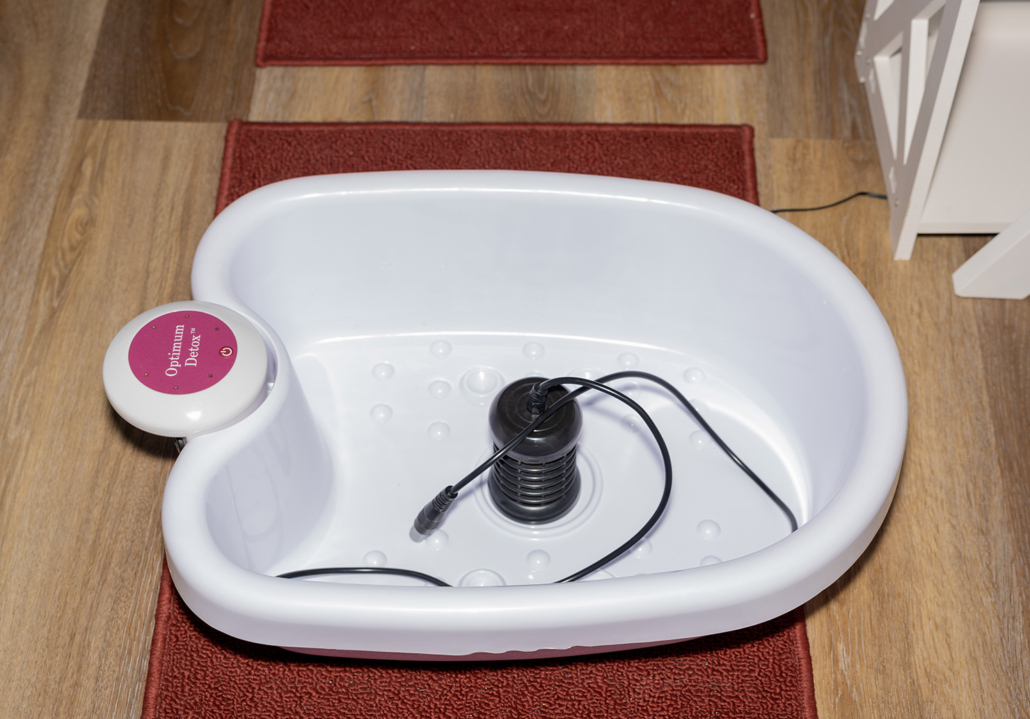
An ionic foot detox is a seated foot soak using warm water, salt, and an array that produces a gentle electrical current. You simply place your feet in the basin, get comfortable, and relax while the session runs. Many guests appreciate the quiet pause in their day: no needles, no strenuous activity, and no need to do anything except sit back.

During the session, the water often shifts to shades of orange, brown, green, or gray. This can look dramatic, but it is not a reliable measure of toxins leaving the body. Much of the color change comes from the interaction of the metal array, saltwater, and electrical current. Minerals, water chemistry, and the array itself can all affect the color.

That does not take away from the experience. A service does not need to make a medical promise to be meaningful. For some people, taking 30 minutes to rest, hydrate, and step away from a full schedule is exactly the reset they were looking for.

Are ionic foot detoxes safe for most people?

For a generally healthy adult, an ionic foot detox is typically considered low risk when the equipment is properly used, the basin is clean, and the provider reviews basic health considerations beforehand. The current used is mild, and most guests feel little more than warm water around their feet. Some notice a light tingling sensation, while others feel nothing at all.

Still, “low risk” does not mean right for everyone. Your health history matters, and a personalized approach is always better than a one-size-fits-all wellness recommendation. A reputable provider should welcome your questions, explain the process plainly, and never pressure you to proceed if you are unsure.

The most common comfort concerns are simple: water that feels too warm, skin sensitivity, or mild temporary redness from soaking. These are usually avoidable by checking the water temperature, keeping the session comfortable, and speaking up right away if anything feels unpleasant. You should never feel pain, burning, or strong electrical sensations during a session.

Who should avoid an ionic foot detox or ask first?

Ionic foot detoxes are not recommended for everyone. It is wise to skip the service or get guidance from your healthcare professional first if you are pregnant, have a pacemaker or other implanted electrical medical device, have epilepsy or a seizure disorder, or have a serious heart condition.

You should also wait if you have open cuts, sores, an active rash, athlete’s foot, a skin infection, or significant irritation on your feet. Soaking compromised skin may cause discomfort and can increase the chance of irritation. People with diabetes, reduced sensation in their feet, poor circulation, kidney disease, or complex medical conditions should check with their medical provider before booking. This is especially true if you have been advised to take extra precautions with foot care.

If you have recently had surgery, are currently receiving medical treatment, or simply do not feel well, choosing a gentler day at home may be the better call. Wellness should feel supportive, never like something you have to push through.

What an ionic foot detox can and cannot promise

The word “detox” gets used often in wellness, and it can mean different things to different people. In medical terms, your liver, kidneys, lungs, and digestive system are responsible for processing and removing waste from the body. There is not strong scientific evidence that ionic foot baths pull toxins, heavy metals, or disease-causing substances out through the feet.

For that reason, an ionic foot detox should not be presented as a cure, a diagnostic tool, or a treatment for a health condition. The color of the water cannot tell you what is happening inside your body, and it should not be used to make health decisions.

What it can offer is a calming wellness ritual. Warm water, a quiet setting, and permission to rest can help you feel refreshed and cared for. Some guests also use the appointment as a gentle reminder to drink water, slow down, and make room for regular self-care. Those benefits are personal and real without needing to be overstated.

How to make your session more comfortable

A little preparation can make the experience feel even more relaxing. Have a normal meal beforehand if you tend to feel lightheaded when you have not eaten, and drink water before and after your appointment. Wear clothing that allows easy access to your lower legs, and let your provider know about sensitive skin, allergies, medications, or any health changes since your last visit.

Take a look at your feet before you come in. If you notice a cut, blister, rash, or irritation, rescheduling is often the kindest choice for your skin. It is also helpful to arrive with an open mind rather than a specific expectation about the water color. The color is part of the process, but your comfort is what matters most.

After your session, dry your feet well and continue with your day as usual. If your skin feels dry, a gentle moisturizer can help. If you experience lasting redness, itching, pain, dizziness, or any symptom that concerns you, stop using the service and contact a healthcare professional.

Choosing a wellness provider you can trust

The setting and the care behind the service make a meaningful difference. Look for a provider who maintains clean equipment, uses fresh water for every guest, explains what to expect, and makes it easy to share health concerns privately. The atmosphere should feel peaceful, but the communication should also be straightforward.

Be cautious of claims that sound too certain. No wellness service should promise to cure chronic pain, eliminate toxins, replace medication, treat infertility, or solve a medical condition. A caring provider will respect the role of medical care while offering a relaxing complement to your broader self-care routine.

At Relax, Release, Renew Salt Cave, the goal is to create a comfortable, personalized experience where guests can pause and recharge. If you are uncertain whether an ionic foot detox suits your circumstances, asking before you book is always encouraged. A good wellness appointment begins with feeling heard.

A gentle way to decide if it is right for you

If you are healthy, your feet are free from irritation, and you are looking for a peaceful, non-invasive moment of self-care, an ionic foot detox may be a pleasant addition to your wellness routine. If you are managing a health condition, use an implanted medical device, are pregnant, or have any doubt about your safety, take the cautious route and speak with your healthcare provider first.

The best self-care is never about chasing a dramatic result in a bowl of water. It is about choosing experiences that leave you feeling comfortable, respected, and a little more renewed than when you arrived.

A Guide to Non Invasive Detox Treatments

A Guide to Non Invasive Detox Treatments

A full calendar, restless sleep, seasonal congestion, and skin that feels dry or dull can leave you craving a reset. This guide to non invasive detox treatments is here to make that reset feel less complicated. The most helpful treatments are not about harsh cleanses or quick fixes. They are about creating space to rest, hydrate, breathe deeply, and care for your body in ways that feel genuinely good.

Your body already has built-in systems, including the liver, kidneys, lungs, and digestive tract, that process and remove waste. Wellness treatments do not replace those systems or cure medical concerns. What they can offer is a soothing ritual that supports relaxation, encourages healthier habits, and helps you feel more comfortable in your own skin.

What Non Invasive Detox Treatments Can Offer

Non-invasive treatments are services and self-care practices that do not involve surgery, needles, or recovery time. Many are designed to help you slow down and step away from the tension of daily life. Depending on the treatment, you may notice that you feel calmer, less stuffy, more refreshed, or simply more rested afterward.

The word “detox” is used broadly in wellness. For some people, it means supporting respiratory comfort during allergy season. For others, it means taking a break from stress, drinking more water, moving their body, or giving dry skin extra attention. Setting a realistic intention matters. Rather than expecting a single session to erase fatigue or solve a health issue, think of it as a peaceful part of a consistent self-care routine.

If you have a medical condition, are pregnant, take medications, or have concerns about a symptom that persists, check with your health care provider before trying a new wellness service. A non-invasive treatment should feel supportive, never like something you have to push through.

Salt Therapy for a Quiet Respiratory Reset

Dry salt therapy, also called halotherapy, takes place in a calm room where a halogenerator disperses very fine salt particles into the air. Guests relax comfortably while breathing in the salty air. It is a simple experience, but that is part of its appeal: there is nowhere to be, nothing to perform, and no screens asking for your attention.

Many people choose salt therapy when they are looking for a natural-feeling way to support breathing comfort, especially during periods of seasonal stuffiness or dry indoor air. Others come for the restorative atmosphere. The quiet, low-stimulation setting can make it easier to settle the nervous system after a demanding week.

Salt therapy is also popular with guests whose skin feels dry or in need of gentle care. Individual experiences vary, and it is not a substitute for treatment from a medical professional for asthma, skin conditions, infections, or ongoing respiratory symptoms. Still, for many wellness-minded guests, the combination of stillness and salt air becomes a welcome ritual for feeling renewed.

For your first session, wear comfortable clothing and arrive with an open schedule afterward if possible. Giving yourself even 15 quiet minutes after your appointment can help extend that unhurried feeling rather than sending you straight back into the rush.

Who May Need Extra Caution

If you have a fever, a contagious illness, an active respiratory infection, or a health concern that affects breathing, it is wise to postpone and speak with your provider. The same goes for anyone who feels unwell on the day of their session. Wellness should meet you where you are, not ask you to ignore what your body is telling you.

Ionic Foot Detox Sessions: A Relaxing Wellness Ritual

An ionic foot detox session typically involves resting your feet in a warm water bath with an ionizing array. It can be a deeply relaxing chance to sit down, warm up, and take a genuine pause. Some guests enjoy pairing the session with slow breathing, a glass of water, or a few moments of quiet reflection.

You may see changes in the color or appearance of the water during a session. It is worth knowing that these changes can occur because of the interaction between the array, water, and minerals, and they do not prove that toxins have been pulled from the body. Your liver and kidneys remain the body’s primary detoxification organs.

That does not mean the experience has no value. A foot detox can still be an inviting self-care appointment when your feet are tired and your mind has been moving too fast. The benefit may be less about a dramatic cleanse and more about the permission to rest. When you leave feeling calmer and more committed to caring for yourself, that is meaningful.

Avoid foot-bath services if you have open wounds on your feet, certain implanted electrical devices, or health conditions that make warm-water treatments unsuitable unless your medical provider says otherwise. A reputable provider will welcome questions and explain what to expect before your session begins.

Skin Care That Extends the Feeling of Renewal

A restorative routine does not have to end when you walk out of a treatment room. A salt-based body scrub used gently in the shower can smooth away surface dryness and turn an ordinary evening into a small act of care. Follow with a nourishing moisturizer while skin is still slightly damp to help hold in hydration.

The key is gentle consistency. Over-scrubbing can leave skin irritated, especially if it is already dry or sensitive. Start once a week, use light pressure, and skip broken, sunburned, or inflamed skin. If you are prone to eczema, psoriasis, or reactions to fragranced products, choose products carefully and ask a dermatologist for personalized guidance.

A warm bath, soft lighting, and a few minutes without your phone may sound simple, but these details can help your body shift out of constant alert mode. The best home ritual is the one you will actually return to.

How to Choose the Right Treatment for You

The right choice depends on what you need most that day. If you are longing for a peaceful escape and respiratory-focused comfort, a salt therapy session may be the better fit. If your feet are tired and you want a seated, warming ritual, an ionic foot detox can offer a quiet break. If time is tight, a shower scrub and an earlier bedtime may be exactly the reset your routine needs.

Before booking, consider your goal, your comfort level, and your schedule. Ask what the session includes, how long it lasts, what you should wear, and whether there are any reasons you should wait. Clear answers are a sign of thoughtful, personalized care.

It also helps to choose a provider who makes you feel welcome rather than pressured. At Relax, Release, Renew Salt Cave, the experience is designed to feel calm, personal, and easy to understand, whether you are new to salt therapy or returning for a familiar moment of rest.

Make Your Treatment Part of a Gentle Routine

A single appointment can feel wonderful, but everyday habits are what support lasting well-being. Drink water regularly, eat nourishing meals, aim for consistent sleep, and move in ways that feel good for your body. These basics are not flashy, but they give your natural detoxification systems the support they need.

After a wellness session, resist the urge to fill every open moment. Keep the evening simple if you can. Choose a comforting meal, take a warm shower, stretch lightly, and head to bed a little earlier. Notice how you feel the next morning without demanding a dramatic result.

The most restorative non-invasive detox treatment may be the one that reminds you to treat yourself with more patience. Make room for the quiet hour, the deep breath, and the small rituals that help you feel cared for. Your reset does not need to be extreme to be real.

How to Use Salt Body Scrub for Softer Skin

How to Use Salt Body Scrub for Softer Skin

A salt body scrub can turn an ordinary shower into a few peaceful minutes that belong entirely to you. Learning how to use salt body scrub correctly makes all the difference: the goal is skin that feels polished, comfortable, and cared for, not skin that feels rubbed raw or tight afterward.

Salt scrubs pair mineral-rich salt crystals with nourishing oils to gently lift away dry, dull surface skin. They are especially lovely when your arms, legs, elbows, knees, or feet need a little extra attention. Think of the experience less as another task on your self-care list and more as a chance to slow down, breathe, and reset.

How to Use Salt Body Scrub in the Shower

Start with warm water, not hot water. Let it run over your skin for a minute or two to soften the surface and make the scrub more comfortable to apply. Hot water can leave already-dry skin feeling more depleted, so a comfortably warm shower is usually the better choice.

Before opening the jar, make sure your hands are dry. This helps keep water out of the product and preserves its texture. Use a clean, dry spoon or scoop if one is available, especially if you prefer to scrub while the shower is running.

Take a small amount of scrub in your palm. For an arm or lower leg, a spoonful is often enough; you can always add more. Massage it onto damp skin using light, circular motions. Begin at your feet and work upward, or start with one area at a time so you do not rush through the ritual.

Let the salt crystals do the work. You do not need heavy pressure to exfoliate effectively. Spend a little extra time on naturally rough areas such as heels, knees, elbows, and the backs of upper arms, then rinse thoroughly with warm water. As the scrub rinses away, the oils should leave your skin feeling softly conditioned rather than coated.

Pat your skin dry with a clean towel instead of rubbing it briskly. If your skin tends to be dry, follow with body lotion, body butter, or a few drops of body oil while your skin is still slightly damp. This simple final step helps hold onto that freshly moisturized feeling.

Choose the Right Areas for a Salt Scrub

Salt body scrubs are made for the body, where skin is generally more resilient than the delicate skin on your face. Legs, arms, shoulders, feet, hands, and the torso are all common places to use one.

The face is usually better served by a gentler product designed specifically for facial skin. Salt grains can be too coarse for that area, and the skin around the eyes should never be scrubbed. You will also want to skip freshly shaved or waxed skin, since salt can sting intensely on tiny nicks you may not even see.

Avoid using a salt scrub on cuts, sunburn, rashes, irritated skin, or areas affected by an active flare-up of a skin condition. If you have very sensitive skin, eczema, psoriasis, or a known fragrance sensitivity, it is wise to check with a dermatologist before adding a physical exfoliant to your routine. A patch test on a small area of skin is a gentle place to begin.

How Often Should You Exfoliate?

For most people, one or two times a week is plenty. This may feel less frequent than expected, but healthy skin does not need to be aggressively scrubbed every day. Over-exfoliating can disrupt the skin barrier and lead to redness, sensitivity, dryness, or a rough texture that makes you want to scrub even more.

Your ideal schedule depends on your skin and your routine. If your legs feel dry in winter or your feet need extra care after lots of time in sandals, you may enjoy using a scrub twice weekly. If your skin is sensitive, once every seven to 10 days may feel better. Pay attention to how your skin responds rather than following a rigid rule.

A good sign that your routine is working is skin that feels smooth and comfortable after rinsing, with no lingering sting or redness. If your skin feels tender, tight, or unusually dry the next day, take a break and reduce either the pressure or frequency next time.

Make It a Relaxing Ritual, Not a Rush

The practical benefit of a salt scrub is exfoliation, but the sensory moment matters, too. A favorite scent, warm steam, and a few unhurried minutes can help signal to your body that it is time to transition out of a busy day. For working professionals, caregivers, and anyone who spends much of the day tending to other people, this small pause can feel wonderfully restorative.

Try using your scrub at the end of a shower, when there is nowhere else you need to be for a few more minutes. Put on calming music beforehand, keep a soft towel nearby, and have your moisturizer ready. These details are simple, but they make self-care feel more intentional.

At Relax, Release, Renew Salt Cave, we believe the best wellness rituals are the ones you can actually return to. A take-home body scrub offers a gentle way to carry that sense of care into your own bathroom, between the moments you set aside for deeper rest and relaxation.

A Few Practical Tips for a Better Experience

Salt scrubs are oil-based often enough that a little caution in the shower goes a long way. The oils can make the tub or shower floor slippery, so rinse the surface well once you are done and step carefully. Keep the jar away from direct streams of water, and close the lid tightly after each use.

If your scrub looks separated, stir it gently with a clean, dry utensil before applying. This is normal with products made with oils and salt. If a particular scent feels overpowering, use less product or reserve it for a time when you can rinse it off soon after. A body scrub should feel like a comfort, never an obligation.

It also helps to plan around hair removal. Use a salt scrub the day before shaving if you want to smooth the skin first, or wait at least a day after shaving before exfoliating. This gives skin time to settle and avoids the sharp sting that salt can cause on freshly shaved areas.

When Salt Is Not the Best Choice

There are days when your skin needs moisture and rest more than exfoliation. If it is windburned, very dry, irritated by a new product, or recovering from too much sun, skip the scrub and choose a fragrance-free moisturizer instead. Gentle care is still care.

You may also prefer a finer, gentler exfoliant if your skin reacts quickly to physical scrubs. The right product is not necessarily the strongest one. It is the one that leaves your skin feeling comfortable and supports a routine you enjoy.

A salt body scrub is most rewarding when you use it with a light touch and a little intention. Let the warm water, soft scent, and simple circular massage be your reminder that caring for your skin can also be a moment to care for yourself.

How to Choose Salt Cave Sessions That Fit You

How to Choose Salt Cave Sessions That Fit You

A salt cave session can be a quiet hour that helps you step away from the noise, settle your breathing, and give your body a chance to rest. But when you are learning how to choose salt cave sessions, the best choice is not always the longest session or the closest appointment. It is the one that meets you where you are, whether you want a calming reset after a demanding week, support during seasonal sinus discomfort, or gentle care for dry, irritated-looking skin.

Start With What You Need From Your Session

Before booking, take a moment to name what has been weighing on you. Maybe your schedule has been full and your mind feels just as crowded. Maybe seasonal changes leave you feeling congested. Or perhaps you are building a more intentional self-care routine and want a peaceful, non-invasive service that feels good from the moment you walk in.

Salt cave sessions are often chosen for relaxation, respiratory comfort, and skin-focused self-care. Dry salt therapy, also called halotherapy, disperses fine salt particles into the air while you relax in a specially designed space. Many guests enjoy the clean, calming atmosphere and the opportunity to simply be still.

Your reason for visiting helps guide the experience you choose. A first-time guest looking for stress relief may want a standard, unhurried salt cave session. Someone with a packed schedule may appreciate an express halotherapy option. If you are creating a fuller reset, you might pair your salt therapy visit with another relaxing service, such as an ionic foot detox, when available.

Salt therapy is a wellness experience, not a replacement for medical care. If you have a medical condition, are pregnant, have a respiratory concern that is worsening, or have questions about whether halotherapy is right for you, speak with your health care provider first.

How to Choose Salt Cave Sessions by Time and Comfort

A session only works when it fits realistically into your life. Choosing a service that feels rushed before or after your visit can take away from the restorative feeling you came for. Look at both the session length and the time you need around it to arrive, settle in, and return to your day without pressure.

Choose a full session when you need a true pause

A dedicated salt cave appointment is often the better fit when you want the complete experience: comfortable seating, a tranquil environment, and enough time to let your shoulders drop. This can be especially meaningful for caregivers, busy professionals, and anyone who rarely gives themselves uninterrupted quiet.

For many guests, the first several minutes are simply about slowing down. A longer visit gives you time to move beyond the mental to-do list and into a more settled state. If stress relief is your main goal, do not underestimate the value of protected time in a calming room.

Choose an express option when your schedule is tight

Express halotherapy can be a thoughtful choice when you want salt therapy but cannot set aside a longer block of time. It may fit well into a lunch break, an errand day, or a wellness routine you plan to repeat regularly.

The trade-off is simple: a shorter experience can be convenient, while a full salt cave session may feel more immersive. Neither is automatically better. Choose the option you will actually enjoy and return to, rather than the one that looks ideal on paper but never fits your calendar.

Consider how private and personalized the experience feels

The atmosphere matters. Some people relax easily in a shared setting, while others prefer a more intimate, boutique feel. Before you book, look for clear details about the room, seating, session capacity, and what the business does to help guests feel comfortable.

A welcoming studio should make it easy to ask questions before your visit. You should feel comfortable sharing that it is your first session, that you are sensitive to noise, or that you simply need a little extra guidance. Personal attention can make a wellness service feel less like another appointment and more like care.

Look for a Calm, Well-Cared-For Environment

When deciding how to choose salt cave sessions, pay attention to the space as much as the service description. A salt cave should feel clean, peaceful, and thoughtfully maintained. You are there to breathe, rest, and reset, so the room should support that purpose.

Photos and guest feedback can help you understand the atmosphere before you arrive. Look for comments that mention comfort, cleanliness, kindness, and the way guests felt after their sessions. Testimonials are especially helpful because they describe the experience in real-life terms: a guest who slept more peacefully, felt refreshed after a stressful week, or appreciated being welcomed without feeling rushed.

You may also want to ask practical questions. Is the room quiet? What should you wear? Are blankets provided? Can you bring water? What time should you arrive? Clear answers are a good sign that the business values your comfort from start to finish.

At Relax, Release, Renew Salt Cave, the goal is to create that kind of warm, personalized space, where each guest can settle into a moment of calm and leave feeling cared for.

Match the Session to Your Wellness Routine

Salt cave visits can be a one-time treat, but they can also become part of a regular rhythm of self-care. The right frequency depends on your goals, schedule, budget, and how you feel after each visit.

If you are new to halotherapy, begin with one session and notice your experience. Pay attention to how comfortable you felt in the space, whether the timing worked for you, and what you would change next time. You may find that a quiet monthly appointment is the reset you need. Or you may enjoy visiting more often during stressful periods or seasonal shifts.

It can also help to think beyond the appointment itself. Drink water, give yourself a few calm minutes after your session if possible, and avoid scheduling something overly demanding immediately afterward. If skin care is part of your intention, a salt-based body scrub or moisturizing product can extend the nurturing feeling at home. The goal is not to create a complicated routine. It is to choose small practices that leave you feeling more like yourself.

Know What to Expect Before You Book

First-time nerves are common, especially if you are used to wellness services that involve lots of instructions or unfamiliar equipment. A salt cave session is generally simple. You arrive, get comfortable, relax in the salt-infused environment, and allow yourself to be present.

Wear comfortable clothing and plan for a low-key experience. Many guests enjoy reading, meditating, resting with their eyes closed, or simply listening to the quiet. You do not need to perform relaxation perfectly. If your mind wanders at first, that is normal. Let the room do some of the work of helping you slow down.

If you are bringing a child or booking with a friend, confirm the studio’s policies in advance. The best session is one that feels appropriate for everyone attending and respects the peaceful environment other guests may be seeking.

Choose a Place You Will Feel Good Returning To

Price and convenience matter, but trust matters too. Look for a local wellness business that communicates clearly, treats questions with care, and makes you feel welcome before you ever enter the salt cave. A thoughtful experience includes the booking process, the greeting at the door, the condition of the room, and the way you feel when you leave.

You do not need a perfect reason to book a session. Wanting an hour of quiet, a clearer-feeling moment during allergy season, or a more nourishing way to care for yourself is reason enough. Choose the session that gives you room to exhale, then let that calm carry gently into the rest of your day.