
Halotherapy Side Effects: What to Expect

Halotherapy Side Effects: What to Expect

A salt cave session is meant to feel like a pause from the noise: comfortable seating, quiet time, and dry salt in the air. Still, it is wise to understand possible halotherapy side effects before you settle in. Most people tolerate a session well, and any effects tend to be mild and temporary, but your comfort and health history always come first.

Halotherapy, also called dry salt therapy, uses a device that disperses fine salt particles into the air. People often choose it as part of a relaxation routine or when they want extra support for feeling clear and refreshed. It is a wellness service, not a substitute for medical care, diagnosis, or treatment.

Common Halotherapy Side Effects

The most common response is a dry feeling in the nose, throat, or mouth. Dry salt can be mildly drying, much like time spent in air conditioning or outside on a crisp, low-humidity day. A glass of water before and after your appointment is a simple way to stay comfortable.

Some guests notice a light tickle in the throat or a brief urge to cough during or shortly after their session. This can happen as the fine salt particles interact with moisture in the airways. For many people, it passes quickly. If coughing becomes persistent or uncomfortable, step out of the room and let your session host know.

Temporary nasal drainage or a feeling of increased congestion can also occur. It may feel surprising if you came in hoping to feel more open, but the sensation is often short-lived. Your body can respond differently from one visit to the next depending on seasonal allergies, hydration, and how congested you were when you arrived.

A few people experience mild skin dryness, particularly if they already have sensitive or dry skin. Others may notice slight eye irritation if they rub their eyes after touching salt-covered surfaces. Avoid touching your face during the session when possible, and wash your hands afterward. If you wear contact lenses and tend to have dry eyes, glasses may feel more comfortable for your visit.

Occasionally, a guest may feel tired, relaxed, or ready for an earlier bedtime after a calming session. That is not necessarily a side effect of the salt itself. Often, it reflects the welcome shift that happens when a busy mind finally has time to rest.

Why Halotherapy Can Feel Different for Each Person

There is no single response that applies to everyone. A person who arrives well-hydrated and relaxed may notice little more than the peaceful atmosphere. Someone visiting during pollen season, after a long day, or while managing dryness from indoor heat may be more aware of throat tickling or nasal drainage.

Session length matters, too. If you are new to dry salt therapy, choosing a standard session and paying attention to how you feel is a thoughtful place to begin. There is no need to push through discomfort in pursuit of a wellness benefit. A restorative experience should leave you feeling cared for, not challenged.

The research on halotherapy is still developing, especially for specific health conditions. While many guests enjoy the experience and share positive personal results, individual testimonials are not a guarantee of a medical outcome. Think of a salt cave as one gentle part of your broader self-care routine, alongside rest, hydration, movement, and guidance from your healthcare provider when needed.

Who Should Check With a Clinician First?

For many healthy adults, dry salt therapy is a comfortable wellness experience. However, some situations call for a conversation with a licensed healthcare professional before booking. This is especially true if you have a respiratory or heart condition, are pregnant, have a compromised immune system, or are managing a condition that makes airborne particles difficult to tolerate.

You should also ask for medical guidance if you have severe or uncontrolled asthma, chronic obstructive pulmonary disease, a current respiratory infection, fever, active tuberculosis, or a recent hospitalization for breathing or cardiac concerns. If you use supplemental oxygen, have a history of serious allergic reactions, or have been told to avoid environments with particulates, do not assume a salt session is right for you without individualized advice.

Parents considering halotherapy for a child should speak with the child’s pediatrician first, particularly if the child has asthma, recurrent wheezing, or other respiratory concerns. Children are not simply smaller adults, and what feels mildly drying to one person may be more irritating to another.

If you are taking medications or receiving treatment for a medical condition, a clinician who knows your health history can help you decide whether a session fits your care plan. A salt cave should never replace prescribed medication, an inhaler, urgent evaluation, or follow-up care.

Simple Ways to Feel More Comfortable During a Session

A little preparation can make your visit feel even more relaxing. Come hydrated, wear comfortable clothing, and consider arriving a few minutes early so you do not carry the stress of rushing into the room. If you are prone to dry lips, applying a simple lip balm beforehand may help.

Let your host know if it is your first time, if you have seasonal sensitivities, or if you are feeling more congested than usual. At Relax, Release, Renew Salt Cave, personal attention is part of creating a peaceful experience. Sharing what you need helps your session feel tailored to you.

During your appointment, breathe naturally and listen to your body. You do not need to take exaggerated deep breaths or try to make the session work harder. If your throat feels dry, a small sip of water after the session may be all you need. If you feel uncomfortable, speak up. Taking a break is always okay.

Afterward, give yourself a few unhurried minutes before returning to errands, work, or caregiving. Drink water, notice how you feel, and avoid judging the experience by one sensation alone. Some guests feel refreshed immediately, while others simply appreciate the quiet reset.

When to Stop and Seek Medical Care

Mild dryness, a brief cough, or temporary nasal drainage are generally different from warning signs that require medical attention. Stop the session and seek urgent care if you develop trouble breathing, wheezing, chest pain, swelling of the lips or throat, faintness, or a severe allergic-type reaction.

Contact a healthcare professional if cough, breathing changes, or significant irritation continue after your visit or feel out of proportion to a mild temporary response. Trust your instincts. Wellness should support your sense of ease, and symptoms that feel alarming deserve proper evaluation.

Questions Guests Often Ask About Halotherapy Side Effects

Will I cough during a salt cave session?

You may not cough at all. Some guests notice a mild throat tickle or short-lived cough, especially if they are already congested or sensitive to dry air. Tell your host if it becomes uncomfortable, and do not continue a session that does not feel right for you.

Can halotherapy make congestion worse?

It can cause temporary drainage or a brief change in how congestion feels for some people. That does not mean it is appropriate to use for an infection, severe symptoms, or a condition needing medical care. If you are ill, have a fever, or are unsure whether to attend, it is best to wait and ask a clinician.

Should I avoid salt therapy if I have allergies?

It depends on your symptoms and medical history. Mild seasonal allergies may not prevent a visit, but active breathing symptoms, wheezing, or a history of severe reactions are reasons to check with your healthcare provider first.

The best salt cave session is one you can receive with confidence: comfortable, informed, and free to relax at your own pace. Give yourself permission to choose the kind of self-care that feels supportive for your body today.


One Stress Recovery Client Story of Lasting Calm

One Stress Recovery Client Story of Lasting Calm

At 4:45 most afternoons, Danielle’s day was not really ending. It was simply changing shape. Her work messages slowed down, but dinner needed to happen, laundry waited, and someone usually needed her attention. By the time the house became quiet, she was tired but still tense – the kind of tired that makes it hard to settle into rest.

This stress recovery client story reflects a feeling many people around Mechanicsville and Richmond know well. Danielle was not looking for another task to manage or a dramatic fix. She wanted one quiet hour that belonged to her, a place where she could step away from the pace of the day and leave feeling a little more like herself.

When “pushing through” stops working

For a long time, Danielle treated stress as something to outwork. She made stronger coffee, filled every open space in her calendar, and promised herself she would slow down after the next deadline, school event, or family obligation. The problem was that the finish line kept moving.

Her body began to give her small signals that she needed a different rhythm. Her shoulders stayed tight. She found herself holding her breath while reading emails. A quiet evening at home did not always feel restful because her mind was still replaying what had to be done tomorrow.

None of this meant something was wrong with her. It meant she had been carrying a lot for a long time. Like many caregivers and working professionals, she had become very good at showing up for everyone else while putting her own reset at the bottom of the list.

A friend mentioned salt therapy during a conversation about local self-care options. Danielle was curious, though a little unsure what to expect. She liked the idea of a peaceful setting and was drawn to the opportunity to simply sit, breathe, and be still. She decided to try a session without making it a big promise to herself. It would just be one hour to pause.

A stress recovery client story begins with a quiet room

When Danielle arrived for her first salt cave session, what stood out was not a complicated process. It was the feeling of being welcomed. There was no pressure to explain every detail of her week or to arrive already relaxed. She could simply come in as she was.

The salt cave offered something her regular routine rarely did: fewer demands on her attention. The calming environment, comfortable seating, and soft atmosphere gave her permission to put her phone away and stop anticipating the next interruption. At first, she noticed how busy her thoughts were. Then, gradually, she noticed her breathing.

That shift mattered. Stress recovery is not always about eliminating a full schedule or never feeling overwhelmed. Sometimes it begins with creating a dependable space where your nervous system can experience a little less noise. For Danielle, the session became a gentle practice in doing nothing on purpose.

She left feeling lighter, but not in a way that felt forced or overly dramatic. Her responsibilities were still waiting. Her calendar had not magically cleared. What changed was the tension she had been holding in her jaw and shoulders, along with the feeling that she had to hurry straight into the next thing.

On the drive home, she did something small but meaningful: she took the longer route. No call on speakerphone. No stop to pick up one more item. Just a few extra minutes of quiet.

The value of returning before you are depleted

Danielle’s next session came a few weeks later, after a particularly demanding stretch at work. This time, she did not wait until she felt completely worn down. She recognized that a reset worked best as care she could return to, not a last-minute rescue.

That distinction changed the way she approached her well-being. A salt cave visit became part of her personal rhythm, alongside simple choices at home such as taking a slower shower, using a nourishing body scrub, or sitting outside for a few minutes before starting dinner. These were not perfect routines. Some weeks were too full, and plans changed. But the intention was there: rest was allowed to be part of her life before burnout arrived.

For some clients, regular salt therapy sessions are mainly about creating a calm, restorative pause. Others appreciate how the experience fits alongside their focus on respiratory comfort or skin-focused self-care. The right frequency depends on your schedule, goals, and budget. A monthly visit may feel supportive for one person, while another may prefer a more consistent routine during a stressful season.

The most helpful approach is the one you can actually enjoy and maintain. Self-care should not become another standard you feel pressured to meet.

Why the experience felt different from staying home

Danielle had tried relaxing at home. She owned candles, had saved meditation playlists, and occasionally bought bath products with every intention of using them. But home also held the visual reminders of unfinished chores and the familiar habit of multitasking.

A dedicated wellness appointment created a clearer boundary. Once she stepped into the salt cave, she was not the person answering texts, folding towels, or solving a problem for someone else. She was a client being cared for.

That personal attention made a difference. At Relax, Release, Renew Salt Cave, the experience is designed to feel approachable and unhurried, especially for someone who may be trying salt therapy for the first time. You do not need to know the right wellness language or have an elaborate self-care plan. You only need the willingness to give yourself a little room to breathe.

Building recovery into real life

Over time, Danielle began noticing the moments when stress was building earlier. Instead of judging herself for feeling irritable or scattered, she started asking a more useful question: What would help me come back to myself today?

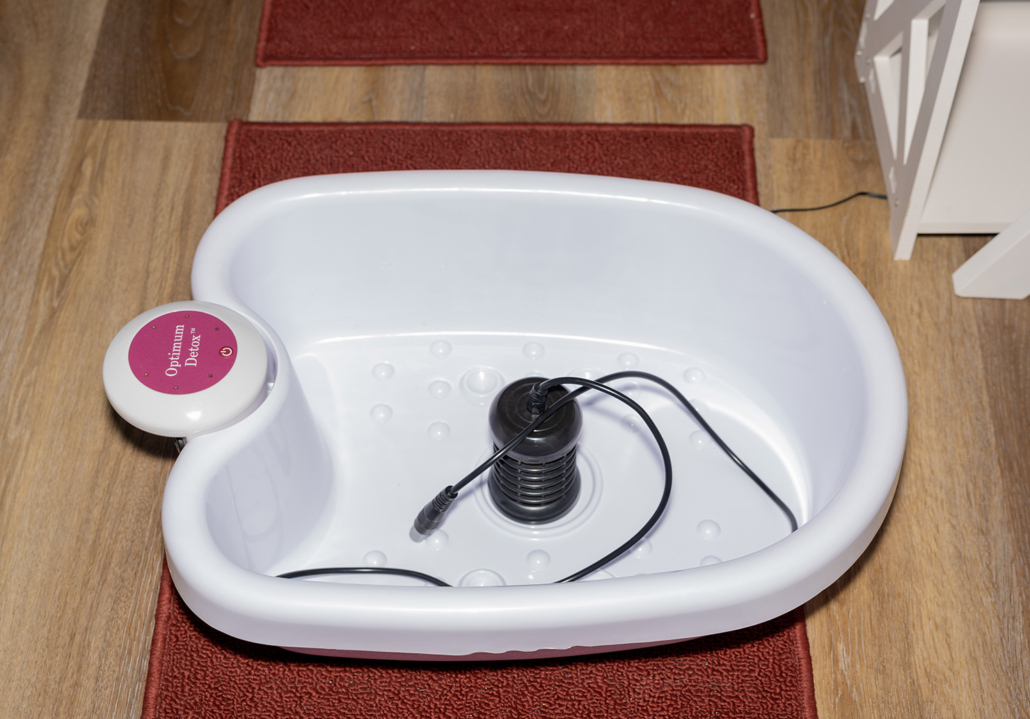
Sometimes the answer was a scheduled salt cave session. Sometimes it was an ionic foot detox appointment that gave her another reason to slow down and sit comfortably for a while. And sometimes it was a small at-home ritual – a warm shower followed by a salt-based body scrub, a glass of water, and an earlier bedtime.

The service was not meant to replace medical care, counseling, sleep, movement, or the practical changes that may be needed in a stressful life. It became one supportive piece of a fuller picture. That is often where sustainable self-care lives: not in one grand gesture, but in repeated moments that help you feel restored enough to make the next choice with care.

Danielle also stopped treating relaxation as something she had to earn. She did not need to finish every item on her list before she deserved an hour of quiet. In fact, taking that hour sometimes helped her return to the list with more patience and a clearer mind.

What her story can remind us

The most powerful part of this stress recovery client story is not that Danielle discovered a secret solution. It is that she gave herself permission to respond to stress with gentleness instead of more pressure.

If your days have begun to feel like one long handoff from work to home to everyone else’s needs, consider what a true pause could look like for you. It may be a salt cave session, a quiet wellness appointment, or a simple ritual you protect at home. The goal is not to become perfectly calm. It is to make space for renewal before you forget what calm feels like.

Your well-being does not have to wait for a vacation, a cleared calendar, or a less demanding season. A small, intentional pause can be a caring place to begin.

Body Scrubs for Softer, More Rested-Looking Skin

Body Scrubs for Softer, More Rested-Looking Skin

A warm shower can rinse away the day, but body scrubs add something more intentional: a few quiet minutes devoted to skin that feels dry, tired, or simply ready for a reset. The gentle massage, fresh scent, and silky finish can turn an ordinary shower into the kind of small ritual that helps you feel cared for from shoulders to soles.

At Relax, Release, Renew Salt Cave, we believe self-care should feel comforting, not complicated. A body scrub is not about chasing perfection. It is about making space to slow down, soften rough areas, and step back into your day feeling refreshed.

What Body Scrubs Do for Your Skin

Body scrubs are exfoliating products made with fine particles, such as salt or sugar, suspended in nourishing oils or creams. As you massage them over damp skin, the particles help lift away built-up dry, flaky surface skin. The oils help leave the skin feeling smoother and more comfortable afterward.

That difference is often most noticeable in the places that work the hardest: elbows, knees, heels, ankles, and hands. During colder months, after time in the sun, or whenever indoor air leaves your skin feeling parched, these areas can become especially rough. A thoughtful exfoliation routine helps restore a softer feel without asking much of your time.

There is also an experience element that matters. The simple motion of massaging a scrub into your skin invites you to pause. The scent can help set the mood, while warm water and a few unhurried breaths can make your shower feel less like another task and more like a moment of renewal.

Why Salt Body Scrubs Feel So Refreshing

Salt has long been appreciated in bath and body rituals for its natural texture and spa-like feel. In a salt scrub, finely ground salt provides physical exfoliation while oils cushion the skin during application. The result can be a clean, polished feeling that is especially welcome when skin feels dull or dry.

The best texture depends on your skin and where you plan to use it. A finer scrub is often a kinder choice for areas like the arms, legs, and chest. A slightly more textured formula may feel satisfying on tougher spots such as heels and elbows. More scrub power is not always better, though. If your skin is sensitive, red, freshly shaved, sunburned, or irritated, skip exfoliation until it feels calm again.

Salt scrubs can leave the skin feeling wonderfully smooth, but they may sting on cuts or recently shaved skin. That is not a sign to push through. Rinse gently and save the scrub for another day. Self-care should feel soothing from start to finish.

Salt or Sugar: Which Is Right for You?

Both can be lovely choices. Sugar crystals tend to dissolve more quickly in water and may feel gentler on delicate skin. Salt often offers a crisp, invigorating scrub sensation that many people enjoy for hands, feet, legs, and other areas of the body.

Your personal preference matters most. If you prefer a soft, melt-into-the-skin experience, sugar may be your favorite. If a fresh, mineral-inspired ritual feels more like your kind of reset, a salt-based body scrub may be the better fit. Some people keep both on hand and choose based on the day.

How Often Should You Use a Body Scrub?

For most people, once or twice a week is enough. This gives your skin the benefits of regular exfoliation without overworking its natural barrier. If your skin is dry or sensitive, begin with once a week and pay attention to how it responds. If it feels comfortable, smooth, and hydrated afterward, you have likely found a good rhythm.

Using a scrub every day may sound like a shortcut to softer skin, but frequent friction can have the opposite effect. Over-exfoliation can leave skin feeling tight, tender, or more reactive. A gentle routine, followed by moisture, tends to bring better long-term results than a more-is-more approach.

Season can influence your routine, too. You may enjoy exfoliating a little more regularly in summer, when sunscreen, sweat, and dry skin can build up. In winter, when the Richmond-area air turns cold and indoor heat is running, you may need a lighter touch and a richer moisturizer afterward.

A Simple Body Scrub Ritual at Home

Start with warm water, not hot water. Very hot showers can leave skin feeling drier, especially if you already struggle with seasonal dryness. Let the water soften your skin for a few minutes before reaching for your scrub.

Scoop a small amount into your hand, keeping water out of the jar when possible. On damp skin, massage in gentle circles, moving from your feet upward or focusing on the areas that need extra attention. There is no need to scrub hard. Light, steady pressure is enough to create that smooth, renewed feeling.

Give extra care to heels, knees, elbows, and hands, then rinse thoroughly. Pat your skin dry rather than rubbing it briskly with a towel. While your skin is still slightly damp, follow with body butter, lotion, or a lightweight body oil to help hold on to that soft, hydrated feel.

For an at-home spa moment, place your phone out of reach, play calming music, and take a few deep breaths while you shower. A five-minute ritual can change the tone of an entire evening, especially after a full day of caring for everyone else.

When to Skip Exfoliation

Body scrubs are a wonderful addition to a wellness routine, but there are times when your skin needs rest instead. Avoid using them on open cuts, rashes, sunburn, active irritation, or areas that feel sore. If you have a skin condition or are using a prescription treatment that affects your skin, it is wise to ask a dermatologist what type of exfoliation is appropriate for you.

It is also helpful to avoid scrubbing immediately after shaving or waxing. Freshly shaved skin can be more sensitive, and salt or fragrance may feel uncomfortable. Waiting a day allows your skin time to settle.

If a scrub causes ongoing burning, redness, or itching, rinse it off and discontinue use. A patch test on a small area is a simple way to try a new product with more confidence, particularly if you know your skin is reactive.

Making Body Care Part of Your Renewal Routine

A body scrub works best when it is part of a rhythm of care rather than a once-in-a-while rescue step. Keep it where you will see it, whether that is beside the shower or near your favorite bath towel. Choose a scent and texture that make you want to return to the ritual.

You might use your scrub on a quiet Sunday evening before the week begins, after a long workday when your feet need attention, or before an occasion when you want your skin to feel especially smooth. Pair it with a hydrating lotion, comfortable pajamas, and a little extra rest. These small choices can create a sense of calm that carries beyond the bathroom.

A visit to a peaceful space can support that same feeling. Whether you enjoy an at-home ritual or make time for a restorative salt cave session, the goal is not to do more. It is to give yourself a moment to feel renewed, comfortable, and well cared for.

The next time your skin feels rough or your day feels overly full, let a simple body scrub be your reminder: you deserve care that feels good, fits into real life, and leaves you a little softer than before.

Massage Versus Halotherapy: Which Reset Fits You?

Massage Versus Halotherapy: Which Reset Fits You?

Your shoulders are tight from a long week, but your sinuses also feel heavy. Or perhaps you are craving quiet time that does more than simply fill an hour. When choosing between massage versus halotherapy, the best fit comes down to what your body is asking for most right now.

Both experiences can create a welcome pause from a demanding schedule. Both invite you to slow down, breathe, and leave feeling cared for. Yet they work in very different ways. Massage centers on hands-on muscle relief, while halotherapy offers a calm, dry-salt environment often chosen for respiratory comfort, skin-focused self-care, and deep relaxation.

Massage Versus Halotherapy: The Main Difference

A massage is a touch-based service. A trained massage therapist uses pressure, movement, and techniques such as kneading or stretching to address tension in the muscles and soft tissues. It is often the natural choice when you can point to a specific area and say, “That is where I hurt.” Think tight shoulders, a stiff neck, tired legs, or the lingering physical stress of hours at a desk.

Halotherapy, often called dry salt therapy, is a quiet, non-invasive experience. During a session, you relax in a salt cave or salt therapy space while finely ground dry salt is dispersed into the air. Rather than receiving hands-on bodywork, you simply settle in, breathe, and allow yourself to rest.

That distinction matters. Massage can feel active and targeted. Halotherapy is more passive, making it especially appealing for guests who want a peaceful wellness experience without physical touch, changing into massage attire, or discussing areas of soreness.

When Massage May Be the Better Choice

Massage is often a lovely option when muscle tension is the main concern. If you wake up with a tight neck, feel knots along your upper back, or notice that stress is living in your jaw and shoulders, hands-on work may bring the kind of immediate physical release you are seeking.

It can also be a better fit when you enjoy focused attention from a practitioner. A massage appointment is usually tailored around pressure preferences and the parts of the body that need extra care. For some people, that personalized physical approach feels deeply restorative.

There are trade-offs to consider. Massage may not feel comfortable when you are especially sensitive to touch, feeling under the weather, dealing with certain injuries, or simply not in the mood for conversation and bodywork. Depending on the style of massage, you may also feel tender afterward. That is not necessarily a bad thing, but it is worth considering before booking on the day before a big event or a demanding workout.

If you have a health condition, recent surgery, unexplained pain, pregnancy-related questions, or a concern about whether massage is appropriate, check with your health care provider and communicate openly with your therapist.

When Halotherapy May Be the Better Choice

Halotherapy is well suited to the person who wants to be still. You do not have to perform, explain, or push through anything. You arrive, get comfortable, and take a break from the constant pull of screens, errands, work, and caregiving.

Many guests choose dry salt therapy when seasonal congestion, dry indoor air, or everyday respiratory discomfort leaves them longing for a more open, refreshed feeling. Others are drawn to the skin-focused side of salt therapy, particularly when dry or irritated-looking skin makes them feel less than their best. Salt therapy is a wellness service, not a replacement for medical care, and individual experiences vary. Still, many people appreciate it as a gentle addition to their self-care routine.

The setting is part of the value. A salt cave session creates a different kind of reset than a busy gym, a packed waiting room, or even a traditional spa treatment. There is no pressure to talk. You can sit quietly, read, meditate, or simply close your eyes while the space encourages your nervous system to settle.

At Relax, Release, Renew Salt Cave, that sense of personal care is central to the experience. A booked session gives you dedicated time to step away from the noise and return to your day feeling calmer, lighter, and more restored.

Choose Based on What You Want to Feel Better

It helps to begin with one simple question: what do you hope will feel different when you leave?

If your answer is, “I want my back and shoulders to loosen,” massage may be the more direct choice. If you are thinking, “I need to breathe, rest, and get out of my head,” halotherapy may be a better match.

For a wellness day centered on stress relief, either can be meaningful. The difference is in the pathway. Massage tends to release physical tension through skilled touch. Halotherapy supports relaxation through stillness, a tranquil environment, and the gentle presence of dry salt in the air.

Your comfort level matters, too. Some guests love the close, individualized attention of massage. Others feel most relaxed when they can remain fully clothed, settle into a chair, and enjoy quiet without being touched. Neither preference is more correct. It is simply useful information about what helps you truly rest.

Can You Enjoy Both?

Absolutely. Massage and halotherapy do not need to compete for a place in your routine. They can complement each other beautifully, especially during a season when stress, tight muscles, dry skin, and congestion all seem to arrive at once.

You might choose massage after a strenuous week, a long drive, or a period of physical tension. Then, on another day, book a salt therapy session when your priority is quiet, respiratory comfort, or a mental reset. Some people find that alternating services helps them stay more consistent with self-care because each visit serves a different need.

The key is not to turn wellness into another item on a demanding checklist. Notice your patterns. Do your shoulders tighten after busy workdays? Does allergy season leave you craving a more comfortable breathing routine? Do you feel emotionally drained even when your body is not especially sore? Your answers can guide your next appointment.

A Few Practical Considerations Before You Book

Timing can shape your choice. If you have only a short window and want a low-effort pause, a salt therapy session may feel easy to fit into your day. If you are ready to devote time to a more targeted, hands-on service, massage can offer a focused experience.

Think about what you are wearing and how you want to transition afterward. Halotherapy is generally simple and comfortable: wear relaxed clothing and plan to unwind. Massage may require a little more preparation, depending on the practice and the type of service you select.

Be realistic about your goals. Massage can support comfort and mobility, but it is not a cure for every source of pain. Halotherapy can be a peaceful wellness complement, but it does not diagnose, treat, or replace care for asthma, skin conditions, infections, or other medical concerns. For persistent symptoms or anything that worries you, seek guidance from a qualified health professional.

Let Your Next Visit Match Your Need

There is no wrong answer in massage versus halotherapy. One day, relief may mean working out the knot between your shoulder blades. Another day, it may mean sitting quietly in a calming salt-filled space and giving yourself permission to do nothing at all.

Choose the experience that feels most supportive of where you are today, not the one you think you are supposed to choose. A little intentional care can make room for a softer breath, a quieter mind, and a renewed sense of yourself.

Salt Cave Attire: What to Wear for Total Comfort

Salt Cave Attire: What to Wear for Total Comfort

You do not need a special outfit to enjoy salt therapy, but the right salt cave attire can help you settle in faster and relax more fully. Think soft, breathable, and easy to move in – the kind of clothing you would choose for a quiet afternoon of self-care. Your session is time set aside to release the rush of the day, so comfort should lead every choice.

The Best Salt Cave Attire Starts With Comfort

A salt cave is designed to be peaceful, not formal. Most guests feel best in comfortable, loose-fitting clothes such as a T-shirt, long-sleeve top, yoga pants, leggings, joggers, or a relaxed pair of shorts. Natural fabrics like cotton are often a pleasant choice because they feel light and breathable while you rest.

You will typically spend your session reclining or sitting comfortably in a calming environment. Clothing that pinches, rides up, feels restrictive, or needs constant adjustment can pull your attention away from the experience. There is no need to dress up. Come as you are, just with comfort in mind.

If you are visiting after work, it is perfectly fine to arrive in your everyday clothes. Many guests simply change out of a more structured outfit – such as jeans, a work blouse, or dress pants – before their appointment if that helps them relax. The goal is not a particular look. The goal is giving your body room to rest.

What to Wear to a Salt Cave

For most people, a simple outfit is all that is needed. A comfortable top and relaxed bottoms work beautifully. You may prefer a light layer, such as a cardigan, zip-up hoodie, or soft pullover, especially if you tend to get chilly while sitting still.

Temperatures can feel different from person to person. One guest may be perfectly comfortable in a short-sleeve shirt, while another enjoys having a light sweater nearby. Bringing an easy layer gives you options without overthinking it.

Socks are also a good idea. Cozy socks can make a session feel even more restful, especially when you are settling into a chair and giving yourself permission to be still. If your location has specific footwear guidelines, follow those when you arrive. In many wellness settings, guests remove their shoes before entering the treatment space to help keep the environment clean and inviting.

Choose clothing you will be happy to wear afterward, too. Dry salt is not the same as soaking in saltwater, and it should not leave you feeling wet or messy. Still, some guests like to reserve a favorite delicate outfit for another day and wear simple, washable pieces instead. It is an easy way to arrive without any worries.

Easy Outfit Ideas

If you are unsure what feels right, picture one of these familiar combinations: leggings with a breathable tee and cardigan; joggers with a soft long-sleeve shirt; comfortable shorts with a relaxed top; or a casual athleisure set you would wear for a massage, yoga class, or a quiet day at home.

The best choice depends on your personal comfort, the season, and what you are doing before or after your appointment. There is no need to buy anything new for salt therapy.

What You May Want to Leave at Home

A salt cave visit calls for a low-fuss approach. Heavy fragrances, strongly scented lotions, and perfumes are best avoided when possible. A shared wellness space is more enjoyable when the air remains gentle for everyone, particularly guests who may be sensitive to fragrance or visiting for respiratory comfort.

You may also prefer to skip elaborate jewelry or accessories that could feel distracting when you recline. Large earrings, bulky belts, stiff jackets, or anything you need to remove midway through a session can take away from that peaceful, cared-for feeling.

Makeup is entirely a personal choice. You do not need to arrive bare-faced, but many guests enjoy keeping their routine simple before a wellness service. If you are pairing your salt cave visit with another relaxing treatment or planning a quiet evening afterward, a fresh face and comfortable clothes can make the transition feel especially easy.

Dress for the Experience You Want

Salt therapy can be a welcome pause whether you are managing a busy schedule, looking for a quiet way to decompress, or simply craving time away from your phone and to-do list. What you wear can support that intention.

For a midday reset, choose something you can comfortably return to work in. For an evening appointment, consider changing into your softest layers and letting the session become the beginning of a slower night. If you are coming with a friend, there is no need to coordinate or dress a certain way. The experience is personal, and every guest can settle in differently.

Parents and caregivers often spend so much time preparing everyone else for the day. Let this be one appointment that is easy on you. Wear what helps you exhale. Working professionals may appreciate keeping a clean, simple change of clothes in the car so their session feels like a clear break between work mode and home mode.

A Few Practical Details Before Your Visit

Arriving a few minutes early can make your appointment feel less rushed. It gives you time to check in, use the restroom, silence your phone, remove your shoes if needed, and get comfortable before your session begins. You do not need to bring a complicated bag of supplies.

A water bottle can be useful, especially if you are fitting your session into a full day. Hydration is a kind, simple part of self-care. If you have questions about what to wear for a specific service or need accommodations to feel comfortable, ask before your visit. A welcoming wellness experience should feel personal, not one-size-fits-all.

If you are visiting Relax, Release, Renew Salt Cave for the first time, the team can help you feel at ease from the moment you arrive. First-time guests often discover that preparation is much simpler than they expected. The focus is on creating space to rest, breathe, and enjoy a little uninterrupted care.

Salt Cave Attire for Different Seasons

In the Richmond area, weather can change quickly, and your salt cave outfit may depend more on the temperature outside than on the session itself. During warmer months, a breathable shirt and lightweight pants or shorts may feel best for the drive over. Keep a light layer handy if air conditioning leaves you chilly.

During fall and winter, dress in layers that are easy to remove. You may arrive in a coat, boots, and a warm sweater, then feel more relaxed in a soft shirt and leggings once inside. Avoid making yourself overly warm just because it is cold outdoors. Comfortable, adaptable layers are usually the answer.

Rainy days are an especially lovely time to plan restorative downtime. If you arrive with damp outerwear, take a moment to get settled and change into dry, cozy layers when possible. Small details like warm socks and a comfortable top can make a gray afternoon feel like an intentional reset.

Your Comfort Comes First

There is no wrong way to dress for a salt cave as long as you feel comfortable, covered, and able to relax. The best salt cave attire is simple: clothing that lets you sit back, breathe deeply, and be present without distraction.

Choose the soft layer you reach for when you need a little comfort, leave the pressure to look a certain way at the door, and let your visit be a gentle reminder that caring for yourself can be wonderfully uncomplicated.

A Guide to Salt-Based Body Care at Home

A Guide to Salt-Based Body Care at Home

A warm shower, a quiet few minutes, and a jar of beautifully scented salt scrub can turn an ordinary evening into a small act of care. This guide to salt based body care is for anyone who wants that refreshed, soft-skin feeling without making their routine complicated. The goal is not to scrub harder or add more products. It is to use salt thoughtfully, listen to your skin, and make room for a ritual that helps you feel renewed.

Why salt belongs in a body care ritual

Salt has a naturally textured feel that makes it especially useful for body exfoliation. When massaged gently over damp skin, salt crystals help lift away dull, dry surface skin. The result can be skin that feels smoother and looks more polished, especially in areas that tend to feel rough, such as elbows, knees, heels, and the backs of the arms.

Many salt body products also pair salt with nourishing oils and comforting scents. That combination is part of what makes a scrub feel so restorative: the crystals provide exfoliation while the oils soften the skin and leave behind a light protective layer. A fragrance you enjoy can also turn the moment into a welcome pause after a long workday, a busy week of caregiving, or time spent outdoors.

Salt-based body care is not about correcting every skin concern. It is a simple, sensory way to care for the skin on your body and slow down for a few minutes. For many people, that is enough to make it a ritual worth keeping.

A guide to salt-based body care that feels good

The most common mistake with body scrubs is treating them like a daily cleanser. Salt exfoliation works best when it is occasional and gentle. Most people do well using a salt scrub once or twice a week, then adjusting based on how their skin feels. If your skin is very dry, reactive, or easily irritated, begin with once a week or less.

Start in the shower after your skin has been softened by warm water for a few minutes. Turn the water down or step out of the direct stream so the scrub does not rinse away immediately. Scoop out a small amount with clean, dry hands or a clean spoon, then massage it over damp skin in light, circular motions.

Give extra attention to dry areas, but do not press hard. Exfoliation should feel pleasant, not scratchy or stingy. A minute or two per area is plenty. Rinse with warm water and pat your skin dry rather than rubbing it with a towel. If your scrub contains oils, you may find that you do not need much additional body lotion afterward. If your skin still feels thirsty, follow with a fragrance-free moisturizer or body oil while it is slightly damp.

A practical note: oil-based scrubs can make the shower floor slippery. Rinse the tub or shower floor well when you are finished, and use care when stepping out.

Choose the right texture for your skin

Not every salt scrub feels the same. Fine-grain salts generally offer a gentler experience and can be a comfortable choice for regular body care. Coarser crystals can feel more invigorating, but they may be too intense for sensitive skin or for areas with thinner skin.

The blend matters, too. A salt scrub with plant oils, butters, or other moisturizing ingredients often feels less drying than salt alone. If fragrance is important to your ritual, choose a scent that feels calming and familiar. If you are sensitive to fragrance, an unscented or lightly scented option may be the better fit.

There is no prize for choosing the strongest scrub or the boldest scent. The best product is the one your skin tolerates well and that you will genuinely look forward to using.

Where to use salt scrubs and where to skip them

Salt scrubs are made for the body, not every inch of skin. They are usually most helpful on areas that feel rough or dry: feet, ankles, legs, elbows, knees, hands, and arms. A gentle massage on the shoulders or upper back can also feel lovely when you are carrying tension from the day.

Skip salt scrubs on your face unless a product is specifically designed and clearly labeled for facial use. Facial skin is more delicate, and the edges of salt crystals can be too abrasive. It is also wise to avoid freshly shaved skin, sunburned skin, open cuts, rashes, insect bites, and any area that feels tender or inflamed. Salt can sting when the skin barrier is compromised, and scrubbing can make irritation worse.

If you have eczema, psoriasis, persistent sensitivity, or a skin condition under treatment, check with a dermatologist before introducing a new exfoliating product. A small patch test on the inner arm or lower leg is a calm, sensible first step for anyone trying a new scrub. Wait a day to see how your skin responds before using it more broadly.

Make the ritual more restorative

A body scrub can be a quick shower step, but it can also become a meaningful reset. Set aside 10 unhurried minutes once a week. Put your phone aside, choose a time when you do not need to rush, and let warm water do some of the work of helping your body relax.

Before using the scrub, take a few slow breaths. As you massage it in, notice the scent, the warmth of the shower, and the feeling of caring for your body instead of simply moving through another task. Afterward, wrap up in a soft towel, apply moisturizer if needed, and give yourself a moment before returning to your routine.

This does not need to be elaborate to be effective as self-care. Consistency and comfort matter more than creating a perfect spa scene. A simple ritual you repeat is often more nurturing than a long routine you only attempt once.

At Relax, Release, Renew Salt Cave, we believe those small moments of care can extend the sense of calm you find in a wellness visit into your everyday routine. A thoughtfully chosen salt scrub can be one gentle way to bring that feeling home.

Salt body care and dry skin: finding the balance

Exfoliation can make dry skin feel smoother, but too much exfoliation can leave it feeling tight or uncomfortable. This is where your personal balance matters. If your skin feels soft after a scrub and stays comfortable the next day, your routine is likely working well. If it becomes red, itchy, unusually dry, or sensitive to products that normally feel fine, take a break and focus on simple moisturizing care.

Season also plays a role. In colder Virginia months, indoor heat and chilly air can make skin feel drier, so you may prefer a gentler scrub less often and richer moisture afterward. During warmer months, you may enjoy exfoliating before a special event, after time in sandals, or when sunscreen and outdoor activity leave your skin feeling less smooth.

Drinking water, using a mild body wash, and applying moisturizer after bathing all support a comfortable skin-care routine. Salt scrub is the polishing step, not the entire plan.

Keep your products fresh and pleasant to use

A salt scrub lasts best when water stays out of the jar. Store it in a cool, dry place, keep the lid tightly closed, and use clean, dry hands or a scoop each time. If water gets into an oil-based product, it can change the texture and shorten its freshness.

Pay attention to the product’s label for storage directions and recommended use. If the scent, color, or texture changes noticeably, it is time to replace it. This is especially true for products made with natural oils, which can gradually lose their fresh aroma over time.

You can also keep a smaller amount in a separate shower-safe container if bringing the full jar into the bathroom feels inconvenient. A product that is easy to reach is much more likely to become part of your routine.

Let your skin set the pace

The best salt-based body care routine is not the most intense one. It is the one that leaves your skin feeling comfortable and helps you come back to yourself for a few quiet minutes. Start gently, moisturize generously, and allow the ritual to be a reminder that caring for your body can be both simple and deeply soothing.

Body Scrub Frequency: How Often Is Enough?

Body Scrub Frequency: How Often Is Enough?

That fresh-from-the-spa softness is one of the simplest pleasures of a good shower. But body scrub frequency matters more than most people realize. Use a scrub too rarely, and dry, dull-looking skin can linger. Use it too often, and skin may feel tight, tender, or more irritated than renewed.

The goal is not to scrub your skin into perfection. It is to create a gentle ritual that clears away built-up dead skin cells, supports smoother-looking skin, and gives you a few quiet minutes to care for yourself. For most people, that rhythm is simpler and less frequent than they expect.

What Is a Healthy Body Scrub Frequency?

For most adults, using a body scrub once or twice a week is a comfortable place to start. This gives the skin time to naturally renew itself while still offering the soft, polished feeling that makes exfoliation so satisfying.

Your ideal schedule depends on your skin, the scrub itself, the weather, and what else is in your routine. A finely milled salt or sugar scrub used with a light touch is different from a coarse scrub applied firmly every day. The same routine that feels lovely on summer legs may be too much for winter skin in the Richmond area, when indoor heat and colder air can leave the body feeling noticeably drier.

Think of exfoliation as an invitation, not a correction. Your skin does not need to feel squeaky, red, or stripped to be clean. After a good scrub, it should feel smooth, comfortable, and ready to drink in moisture.

Choose Your Frequency by Skin Type and Season

If your skin is generally balanced and not especially dry or sensitive, twice weekly may work well. Try spacing those sessions a few days apart rather than scrubbing on back-to-back days. This approach can help keep arms, legs, elbows, and knees feeling soft without pushing the skin too far.

Dry skin often benefits from a more thoughtful approach. Start once a week, especially if your scrub contains salt, which can feel invigorating but may sting on freshly shaved or compromised skin. Follow immediately with a rich body cream or body oil while skin is still slightly damp. If your skin remains comfortable and hydrated, you may decide to add a second gentle scrub session later.

Sensitive skin usually does best with less. Every 10 to 14 days may be plenty, particularly for areas that become easily reactive. Choose a scrub with fine particles, use barely any pressure, and avoid exfoliating when your skin is already itchy, sunburned, freshly waxed, or irritated by a new product.

For skin that tends to feel oily or rough in certain areas, it can help to treat the body in zones rather than use the same method everywhere. Knees, elbows, heels, and the backs of arms may tolerate a little extra attention, while the chest, neck, and bikini area deserve a much gentler touch. More scrubbing is not always the answer to rough texture. Consistent moisturizing often makes the greater difference.

Season matters, too. You may enjoy a twice-weekly routine in warm, humid months, then naturally scale back when the air turns cold and dry. Adjusting your ritual is a form of listening to your body, not losing progress.

Signs You May Be Scrubbing Too Often

Over-exfoliation can sneak up on you because skin may initially feel very smooth. Within a few days, though, you might notice that your usual lotion burns a little, your skin looks red after bathing, or dry patches seem more obvious than before.

Other signs include tightness, increased sensitivity, flaking, small bumps, or a shiny, almost over-polished appearance. If any of these show up, pause body scrubs for one to two weeks. Keep showers warm rather than hot, use a simple fragrance-free moisturizer, and allow your skin barrier time to settle.

It is also worth looking at the rest of your routine. A body wash with exfoliating acids, a retinol body product, frequent shaving, or a loofah can all add up. Your skin experiences the total routine, not just the scrub sitting on the shower shelf.

How to Use a Body Scrub Gently

A body scrub works best on damp skin after a few minutes in warm water. This softens the outermost layer of skin and lets the scrub glide more easily. Scoop out a small amount, then massage in slow, circular motions with light pressure. There is no need to press hard or keep working the same spot.

Focus on the areas that commonly feel dry or textured, such as legs, arms, elbows, knees, and feet. Rinse thoroughly, then pat the skin dry instead of rubbing with a towel. Finish with moisturizer within a few minutes to help hold onto that freshly softened feeling.

A few gentle habits make a meaningful difference:

  • Use clean, dry hands or a clean scoop so water does not sit in the jar.
  • Avoid scrubbing immediately after shaving, waxing, or spending time in the sun.
  • Skip broken skin, active rashes, cuts, and areas that are already inflamed.
  • Keep the massage brief, usually no more than a minute or two per area.

Salt-based scrubs can be especially satisfying for hands, feet, elbows, and legs. The texture offers a refreshing polish, while the ritual itself can turn an ordinary shower into a small reset. At Relax, Release, Renew Salt Cave, we believe self-care should feel nourishing from start to finish, not like another task to manage.

When a Scrub Is Not the Best Choice

There are times when a body scrub should wait. If you have eczema, psoriasis, rosacea affecting the body, a skin infection, diabetes-related foot concerns, or a condition that changes sensation in your skin, it is wise to ask a dermatologist or health care professional before exfoliating. Even natural ingredients can be too stimulating for compromised skin.

The same pause applies after a sunburn. Scrubbing peeling skin may seem like a quick way to remove flakes, but it can slow comfort and irritate already stressed tissue. Moisture, cool showers, and patience are kinder choices until the skin has recovered.

If you are prone to ingrown hairs, gentle exfoliation can sometimes support smoother skin between hair-removal appointments. Still, timing matters. Wait at least a day after shaving, and do not scrub over active bumps or broken skin. A soft washcloth and a mild cleanser may be enough on more sensitive days.

Build a Routine You Will Actually Enjoy

The best body scrub routine is one you can look forward to. Maybe that is a Sunday evening shower before a busy week, or a midweek pause when your shoulders are carrying too much. Pair the scrub with a favorite body cream, comfortable pajamas, and a few unhurried minutes afterward.

Rather than chasing a rigid schedule, let your skin guide you. If it feels soft and calm, maintain what is working. If it feels dry, tender, or reactive, do less and moisturize more. Gentle consistency creates the kind of glow that lasts beyond one shower.

Your self-care ritual does not need to be elaborate to feel restorative. A warm rinse, a light touch, and a little attention to what your skin needs can be a quiet reminder that you deserve care, too.