
How to Prepare for Halotherapy

How to Prepare for Halotherapy

If you have a halotherapy session on the calendar, a little preparation can help you settle in faster and enjoy the experience more fully. Knowing how to prepare for halotherapy takes some of the guesswork out of your visit, especially if this is your first time stepping into a salt cave or trying an express session.

Most people do not need to do anything complicated before salt therapy. The goal is simply to arrive comfortable, hydrated, and ready to relax. A few thoughtful choices before your session can make the environment feel even more soothing and help you focus on what you came for – a quiet reset for your body and mind.

How to Prepare for Halotherapy Before You Arrive

The best way to prepare starts a few hours before your appointment. Wear comfortable clothing that allows you to sit back and breathe easily. Soft layers are usually a good choice because some people prefer a slightly cooler room while they relax. If you tend to get chilly when you sit still, bringing or wearing an extra light layer can make a difference.

It also helps to avoid heavy fragrances right before your session. Salt therapy spaces are meant to feel calm and clean, and strong perfume or heavily scented lotions can be distracting for you and for others sharing the room. Unscented or lightly scented products are usually the better choice on the day of your visit.

Hydration matters more than many first-time guests expect. Drinking water before and after your session can help you stay comfortable, especially because dry salt air may leave your throat feeling a little dry. You do not need to overdo it, but showing up already hydrated is a simple way to support the experience.

If you are coming in from work, errands, or school pickup, try to give yourself a little buffer instead of rushing through the door. A salt session often feels best when your nervous system has a moment to slow down. Arriving a few minutes early gives you time to check in, use the restroom if needed, and ease into a more peaceful frame of mind.

What to Wear to a Salt Therapy Session

For most sessions, comfort comes first. Loose-fitting clothes, leggings, joggers, sweaters, and other easy layers are all common choices. There is no need to dress up, and there is also no need for special workout gear unless your provider has shared different instructions for a specific service.

You may also want to think practically about your skin and hair. Salt can settle lightly on clothing and exposed areas, which is perfectly normal. Many guests like to keep their look simple and skip fresh blowouts or detailed styling before a session. If your appointment is part of a self-care day, this is one of those times when relaxed and low-maintenance usually works best.

Footwear depends on the setting. Some salt caves ask guests to remove shoes or wear shoe covers to help keep the space clean. If that is the case, socks are a nice option if you want an added layer of comfort. If you are unsure, checking the location’s instructions before you come in can help you feel prepared.

Should You Wear Makeup or Skincare?

You can, but less is often more. Lightweight skincare is fine for most people, while heavy creams or strong active products may feel unnecessary right before a dry salt session. If you are visiting partly for skin-focused self-care, arriving with a clean face can feel refreshing, though it is not usually a requirement.

Makeup is a personal choice. Some guests come straight from their day and keep it on. Others prefer a more natural, pared-back approach. Either way, comfort should guide the decision.

What to Eat and Drink Before Halotherapy

A light meal or snack before your appointment is usually a smart idea. You probably do not want to arrive overly full, but you also do not want to sit through a relaxing session while distracted by hunger. Something simple and balanced tends to work well.

It is also wise to go easy on anything that makes you feel sluggish, bloated, or thirsty. Very salty meals right beforehand can leave you wanting more water, and alcohol is best saved for another time. Since halotherapy is often part of a wellness routine, many guests find that the session feels better when they come in feeling steady and clear rather than weighed down.

If caffeine affects your ability to relax, consider the timing of your coffee or energy drink. Some people can enjoy a salt cave session no matter what they had earlier in the day. Others notice that too much caffeine makes it harder to settle into the quiet. This is one of those places where it really depends on your body.

How to Prepare for Halotherapy if You Have Congestion or Sensitive Airways

Many people book halotherapy because they are looking for support with seasonal discomfort, sinus pressure, or that heavy, stuffy feeling that lingers longer than they would like. If that sounds familiar, it helps to know that you may notice mild throat tickling, coughing, or a sense of movement in your airways during or after a session. That does not happen to everyone, but it can be a normal response.

Because of that, going in with realistic expectations is helpful. Halotherapy is not about forcing a dramatic reaction. Often, the experience is more subtle – easier breathing, a feeling of openness, or simply the chance to sit still in a calming environment that supports overall wellness.

If you have a serious respiratory condition, are actively sick, or are unsure whether a session is a good fit for you, it is always best to check with your healthcare provider first. Wellness services can be a lovely complement to your routine, but personal health needs come first.

Should You Take Medication Before Your Session?

Follow the guidance you normally use from your healthcare provider. In general, salt therapy should not replace prescribed care, and this is not the time to experiment by skipping something important. If you use inhalers or other respiratory support, bring what you normally keep with you.

What to Expect Once You Get There

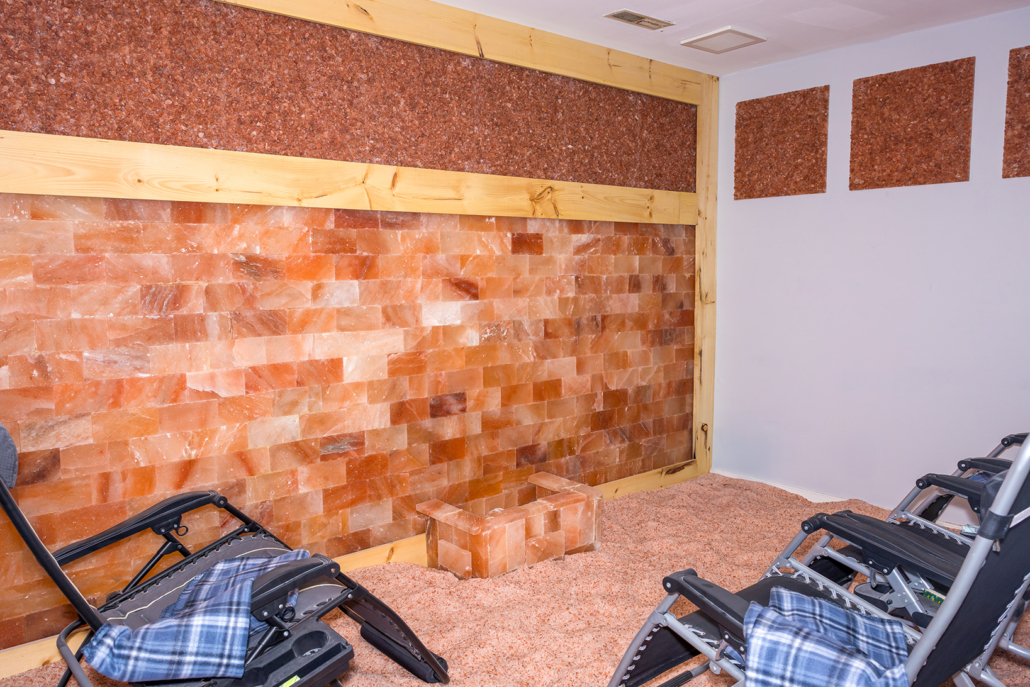
For many guests, the biggest surprise is how simple the visit feels. After check-in, you are usually shown into the salt room or treatment space and invited to get comfortable. The setting may include reclining chairs, soft lighting, calming music, and a quiet atmosphere designed to help you fully exhale.

You do not need to perform or do anything special during the session. Most people simply sit back, breathe normally, and let themselves rest. Some close their eyes. Some meditate. Some just enjoy a rare stretch of uninterrupted quiet.

If you are visiting a boutique wellness space like Relax, Release, Renew Salt Cave, that personal welcome can make first-time nerves melt away quickly. A warm environment and clear guidance often matter just as much as the session itself, especially when you are trying something new.

Small Ways to Make the Most of Your Session

Try to treat your appointment as protected time rather than one more errand in a packed day. Silencing your phone, setting aside mental to-do lists, and giving yourself permission to be still can change the whole feel of the experience.

It can also help to notice what your body needs afterward. Some guests feel energized. Others feel deeply relaxed and want a slower pace for the rest of the day. If possible, avoid booking yourself into a stressful obligation immediately after your session. Leaving a little breathing room can help the calm last longer.

If you enjoy the session, consistency may matter more than expecting everything from a single visit. Some people feel a shift right away, while others notice benefits over time as halotherapy becomes part of a broader self-care rhythm. That is especially true when stress, dryness, or congestion has been building for a while.

A Gentle Note for First-Time Guests

If you are new to salt therapy, you do not need to arrive knowing all the right questions or all the wellness vocabulary. You just need to come as you are. The best preparation is often the simplest: wear something comfortable, drink some water, arrive with a few extra minutes, and let yourself receive the experience.

Self-care does not have to be complicated to be meaningful. Sometimes it looks like one quiet session, one deeper breath, and one hour set aside just for your own renewal.


Salt Cave vs Sauna: Which Feels Better?

Salt Cave vs Sauna: Which Feels Better?

Some days, your body does not ask for a workout or another errand. It asks for relief. If you have been weighing salt cave vs sauna, the better choice often comes down to what kind of reset you need most – easier breathing, deep warmth, quiet rest, or a little of each.

Both experiences can feel restorative, but they work in very different ways. A sauna surrounds you with heat that encourages sweating and a loosened-up, full-body exhale. A salt cave offers a calm, dry environment where microscopic salt particles are dispersed into the air, creating a gentle session that many people choose for respiratory comfort, relaxation, and skin support.

For wellness-minded adults around Mechanicsville and the greater Richmond area, this is usually not a question of which one is “better” across the board. It is more personal than that. The right fit depends on your comfort level, your goals, and how you want to feel when the session is over.

Salt cave vs sauna: the core difference

The biggest difference in salt cave vs sauna is the environment itself. A sauna is heat-based. You sit in a hot room, often with dry or humid heat depending on the style, and your body responds by warming up, sweating, and relaxing into that intensity.

A salt cave is not built around heat. It is built around stillness, comfort, and dry salt-infused air. Instead of pushing your body into a high-heat experience, it invites you to settle in. Many guests describe it as a quieter kind of wellness support – less intense, more soothing, and easier to enjoy if you do not love high temperatures.

That difference matters more than it may seem at first. Some people leave a sauna feeling recharged and physically loose. Others leave feeling overheated, tired, or simply relieved to be back in normal air. In a salt cave, the experience is usually gentler from beginning to end.

When a salt cave may be the better fit

If your main goal is breathing comfort, a salt cave often makes more sense than a sauna. Dry salt therapy is especially appealing to people who deal with seasonal irritation, sinus congestion, or that heavy, stuffy feeling that lingers when the air around you feels unhelpful. The environment is calm and easy to sit in, which can be a relief all by itself.

This option also tends to feel approachable for people who are new to wellness services. You do not have to tolerate intense heat. You do not need to worry about whether you can stay in long enough to get the benefit. You simply settle into a peaceful session and let your body rest.

Skin can be part of the equation too. While a sauna may leave some people with that fresh, post-sweat glow, heat can also feel drying or irritating depending on your skin type. A salt cave appeals to many guests who want skin-focused self-care in a less aggressive setting, especially when paired with moisturizing body care afterward.

For stress relief, a salt cave has its own kind of value. The atmosphere is quiet, the pace is slow, and the expectation is not to push through discomfort. If your nervous system feels worn down, that softer experience may be exactly what helps you reset.

When a sauna may be the better fit

A sauna can be wonderful if what you crave is heat. There is a reason so many people associate it with releasing tension. Warmth can help your muscles feel looser and your body feel lighter, especially after exercise, long workdays, or too much time sitting.

For some guests, sweating feels satisfying. It creates the sense that the body is actively working through stress and heaviness. If you enjoy that feeling of full-body warmth and do well in hot environments, a sauna may feel invigorating in a way a salt cave does not aim to replicate.

That said, heat is not automatically a positive for everyone. If you are already drained, prone to overheating, or sensitive to stuffy warmth, a sauna can feel like too much. What sounds relaxing in theory may feel physically demanding in practice.

Salt cave vs sauna for stress relief

Stress relief is one of the main reasons people book both experiences, but the kind of relief they offer is different. A sauna tends to provide active physical release. Your body warms up, muscles soften, and you step out feeling like you have shed a layer of tension.

A salt cave is often more about settling the mind and body at the same time. The room is designed for stillness. There is no pressure to endure anything. For caregivers, busy professionals, and anyone who spends most of the day responding to other people, that can feel deeply restorative.

If your stress shows up as tight shoulders, exercise soreness, or a need to physically warm up, the sauna may be the natural choice. If your stress shows up as mental fatigue, irritability, shallow breathing, or the feeling that you never quite get a real pause, the salt cave may meet you more gently.

Which is more comfortable?

Comfort matters more than wellness trends sometimes admit. The experience that helps one person unwind may make another person count the minutes until it is over.

A sauna asks you to be comfortable with heat, and sometimes a lot of it. If you love that cocooned feeling, wonderful. If you do not, it can become a barrier to enjoying the session at all.

A salt cave is usually easier for a wider range of people to enjoy. The environment is calm, quiet, and not physically intense. That can make it especially appealing if you are trying a new self-care service for the first time or want something you can return to regularly without dreading the process.

This is one reason many guests gravitate toward halotherapy as part of an ongoing wellness routine. It feels manageable. It feels peaceful. And for many people, consistency is easier when the experience itself is inviting.

Can you choose both?

You can, depending on your preferences and overall wellness routine. Some people enjoy sauna sessions for muscle relaxation and choose salt therapy when they want respiratory support or a quieter reset. The two experiences are not direct substitutes in every case.

Still, if you are choosing where to start, it helps to be honest about what your body has been asking for lately. If you feel tense, chilled, or sore, heat may sound appealing. If you feel depleted, congested, overstimulated, or simply in need of stillness, a salt cave may be the more comforting first step.

Salt cave vs sauna for everyday wellness

For everyday wellness, the best choice is often the one you will actually look forward to booking again. This is where personal preference becomes practical. An experience does not need to be dramatic to be effective. Sometimes the service that supports you most is the one that fits easily into real life.

A boutique salt cave experience can be especially meaningful for people who want wellness to feel personal rather than clinical. Instead of pushing through heat or chasing intensity, you are giving yourself a quieter kind of care. That approach resonates with many people who are balancing work, family, and the steady pace of daily responsibilities.

At Relax, Release, Renew Salt Cave, that sense of care is part of the experience. The goal is not to overwhelm you with complicated wellness language. It is to offer a space where you can breathe, rest, and leave feeling more like yourself.

How to decide what is right for you

Ask yourself a few simple questions. Do you enjoy heat, or do you usually avoid it? Are you hoping for muscle-focused relaxation, or are you more interested in respiratory comfort and calm? Do you want a more intense physical experience, or something gentle enough to feel restorative from the moment you settle in?

There is no wrong answer here. Wellness is personal, and the best results often come from choosing what feels supportive to your body, not what sounds impressive on paper. A sauna can be powerful in the right moment. A salt cave can be exactly the kind of relief a busy, overstimulated person has been missing.

If you are torn between the two, start with the experience that feels easiest to say yes to. The best self-care is often the kind that welcomes you in, helps you exhale, and gives your body room to soften.

How Halotherapy Supports Better Breathing

How Halotherapy Supports Better Breathing

Breathing feels personal when it is not coming easily. A stuffy nose that lingers, that heavy feeling in your chest during allergy season, or the irritation that follows dry indoor air can make an ordinary day feel harder than it should. That is why so many people are curious about how halotherapy supports better breathing – not as a harsh fix, but as a gentle wellness practice that helps them feel clearer, calmer, and more comfortable.

Halotherapy, often called salt therapy, is a relaxing session in a space designed to disperse fine dry salt particles into the air. As you sit back and rest, those microscopic salt particles are inhaled through the nose and mouth. The experience is quiet and soothing, but the appeal goes beyond relaxation. Many people seek it out because they want support for congestion, seasonal irritation, and that frustrating sense of not being able to take a full, easy breath.

How halotherapy supports better breathing in everyday life

At its simplest, halotherapy is about creating a cleaner-feeling breathing environment. Dry salt is known for properties that many people associate with cleansing and freshness, which is part of why salt rooms feel different from ordinary indoor spaces. During a session, the fine salt particles may help loosen mucus, reduce that heavy congested feeling, and support clearer airways.

For someone dealing with mild sinus pressure or a lingering blocked-up feeling, that can translate into a noticeable sense of relief. It is not always dramatic, and it is not the same for every guest. Some people leave a session feeling much more open right away, while others notice the benefits more gradually after repeated visits.

That steady, cumulative effect is one reason regular sessions appeal to wellness-minded clients. Better breathing is not only about what happens in one hour. It is also about giving your body a recurring chance to reset in an environment that feels supportive instead of overstimulating.

Why dry salt is used for respiratory comfort

The type of salt used in halotherapy matters. This is not humid steam with salt mixed in. It is a dry process that disperses very fine particles into the air, allowing them to travel through the upper respiratory system more easily. That dry format is part of what makes the experience distinct.

When people are feeling congested, moisture is not always the only answer. Sometimes the issue is irritation, buildup, or stagnant mucus that needs help moving out. Dry salt sessions are often chosen because they can feel light rather than heavy. Guests frequently describe the experience as breathing in cleaner air, especially during times of year when pollen, dust, or indoor heat leave them feeling irritated.

There is also the setting itself. A dedicated salt cave or halotherapy room invites stillness. You are not rushing through another task or trying to multitask your self-care. You are sitting in a calm, supportive space where your body can relax, and that matters more than people sometimes realize.

Relaxation plays a bigger role than many people expect

Breathing is not only physical. Stress can change it quickly. When you are tense, your breathing often becomes shallow, tight, or uneven. Your shoulders lift. Your chest feels restricted. Even if congestion is mild, stress can make it feel worse.

This is another way halotherapy supports better breathing. The environment encourages your nervous system to settle. In a peaceful salt room, many guests naturally begin to slow their breathing, soften muscle tension, and stop bracing against the day. That shift can make each breath feel fuller and easier.

For busy professionals, caregivers, and anyone carrying a lot mentally, this can be a meaningful part of the experience. Respiratory comfort and emotional relief often show up together. You come in hoping to feel less stuffy, and you leave realizing your whole body had been asking for rest.

What people often notice after a session

Most people do not walk into a salt session expecting something intense. The appeal is that it feels gentle and approachable. During or after a session, guests often notice their nose feels clearer, their breathing feels less restricted, or they are coughing up mucus more easily. Some simply say they feel lighter in their chest.

There can be a range of responses. A person dealing with seasonal congestion may feel immediate relief. Someone with long-standing irritation may need more consistent visits before they notice a pattern. A few people experience temporary throat tickling or increased drainage after a session, which can be part of the body clearing things out.

That is where realistic expectations matter. Halotherapy is a wellness service, not a one-size-fits-all answer. It can be a comforting part of a broader self-care routine, especially for people who want non-invasive support for everyday breathing discomfort.

Who may be drawn to halotherapy for breathing support

People usually try halotherapy because something in daily life is making breathing feel less comfortable than it should. That might be seasonal allergies, dry indoor air, mild sinus congestion, environmental irritants, or a desire to support overall respiratory wellness in a natural-feeling way.

It also attracts people who want relief without adding another demanding step to their routine. A salt session does not require effort from you. You arrive, get comfortable, and let the environment do the work while you rest. For many guests, that simplicity is part of the value.

In a boutique setting like Relax, Release, Renew Salt Cave, there is also the benefit of personal attention. That can make a big difference for first-time visitors who are curious but unsure. A warm welcome and a calming room often help people settle in faster, which supports the overall experience.

When consistency makes the biggest difference

One salt session can feel refreshing, but regular visits are often where people notice the most meaningful changes. Just as one good night of sleep helps but does not replace an ongoing bedtime routine, halotherapy tends to work best when it becomes part of your wellness rhythm.

If your breathing tends to feel worse during certain seasons, scheduling sessions proactively may be more helpful than waiting until you feel miserable. If indoor heating dries you out every winter, steady support during colder months may feel more beneficial than an occasional visit. And if stress tightens your chest and makes you feel like you can never fully exhale, the combined effect of relaxation and salt exposure may be most noticeable over time.

That does not mean every person needs the same schedule. It depends on your goals, your sensitivity to seasonal triggers, and how your body responds. Some guests love a weekly reset, while others find that a few sessions each month fit their needs well.

A wellness option that fits naturally into self-care

One reason halotherapy continues to grow in popularity is that it fits easily alongside other forms of self-care. It does not need to compete with your routines. It can complement them.

If you already value hydration, rest, skincare, stress relief, and moments of quiet, salt therapy feels like a natural extension of that mindset. It offers support that is both physical and emotional. You are caring for your breathing, but you are also stepping out of the noise for a while.

That combination matters. People are often not looking for one narrow benefit. They want to feel better in a more complete way. Clearer breathing, less tension, a calmer mind, and a sense of being cared for all contribute to the experience.

What to keep in mind before you book

If you are new to halotherapy, it helps to approach your first session with curiosity rather than pressure. Wear comfortable clothing, arrive ready to relax, and give yourself permission to simply be still. You do not need to force deep breathing or make the session into work.

It is also wise to remember that wellness experiences are personal. If your breathing concerns are significant or tied to a medical condition, halotherapy should be viewed as supportive rather than as a replacement for medical care. Many guests appreciate it most when they think of it as one gentle tool in a larger approach to feeling well.

For everyday congestion, stress-related tightness, and that worn-down feeling that comes from breathing around irritation instead of through ease, salt therapy offers something simple and comforting. Sometimes the body responds well to being placed in a calm environment and given room to do what it already knows how to do.

If your days have felt a little too full, your head a little too stuffy, or your breathing a little too restricted, a quiet hour in a salt room may be less about doing more and more about finally giving yourself space to feel better.

7 Best Wellness Treatments for Burnout

7 Best Wellness Treatments for Burnout

Burnout rarely arrives all at once. More often, it shows up in small ways first – restless sleep, a shorter temper, constant mental fog, and that heavy feeling that follows you even after a full night in bed. When you start looking for the best wellness treatments for burnout, what you usually want is not another task to manage. You want relief that feels supportive, calming, and realistic.

That matters because burnout is not just being busy. It is a state of depletion. Your mind feels overextended, your body stays tense, and even simple decisions can feel draining. The right wellness treatment can create a pause in that cycle, but not every option works the same way for every person.

What actually helps when burnout runs deep

The most effective treatments tend to do two things at once. They calm the nervous system in the moment, and they make it easier for your body to recover over time. Some people need quiet and stillness first. Others respond better to hands-on care or sensory experiences that help them settle back into themselves.

That is why the best wellness treatments for burnout are usually the ones that feel sustainable, not dramatic. A treatment does not need to be intense to be meaningful. In many cases, gentle support works better because it does not ask more from an already overwhelmed system.

Salt therapy for stress relief and mental reset

If burnout leaves you feeling overstimulated and emotionally worn thin, salt therapy can be a welcome place to begin. A calming salt cave session offers something many people are missing – uninterrupted time in a peaceful setting where the body is encouraged to slow down.

The experience itself often matters as much as the treatment. Sitting in a quiet, softly lit space can help release some of the pressure that builds from constant noise, screens, and decision-making. For people who also deal with sinus congestion, seasonal irritation, or that tight, shallow feeling in the chest that stress can bring, dry salt therapy may offer an added layer of comfort.

This is one reason halotherapy is often among the best wellness treatments for burnout, especially for people who are mentally exhausted but not looking for anything invasive. It feels restorative without feeling clinical. At a local boutique wellness space like Relax, Release, Renew Salt Cave, that personal, unhurried environment can be part of the healing.

Massage therapy for physical tension that will not let go

Burnout is often stored in the body. You may notice it in your neck, shoulders, jaw, lower back, or even in the way you breathe. Massage can help interrupt that pattern by easing muscle tension and creating a clear signal to the body that it is safe to soften.

That said, the right kind of massage matters. If you are already worn down, an aggressive deep tissue session may not feel restorative. A gentler relaxation massage, lymphatic-style approach, or a customized session focused on tension relief may be a better fit. The goal is not to push through discomfort. It is to help your body stop bracing.

Many people find that after massage, they think more clearly and sleep more deeply. That does not mean massage fixes burnout on its own, but it can create enough physical ease to help the rest of your recovery feel possible.

Breathwork and guided rest for an overactive mind

When stress becomes constant, the mind can forget how to power down. Even during quiet moments, thoughts keep moving. Breathwork and guided rest practices can be helpful because they gently shift your attention away from racing thoughts and back toward the body.

This category includes simple breath-focused sessions, restorative meditation, yoga nidra, and guided relaxation. These treatments are especially useful for people who say they are tired but cannot relax. They can also be a good starting point if traditional meditation feels frustrating. Structure helps.

There is a trade-off, though. Some people want immediate sensory comfort and may struggle with stillness at first. In those cases, guided rest often works better than silent meditation because it gives your mind something soothing to follow.

Hydrotherapy and heat-based treatments

Warmth can be deeply regulating when burnout leaves you feeling physically tight and emotionally depleted. Sauna sessions, warm soaking therapies, steam, and contrast hydrotherapy are all used to encourage relaxation and circulation.

For some people, heat creates a much-needed sense of release. It can ease stiffness, support rest, and provide that rare feeling of being cared for by the environment around you. But this option depends on the person. If you are already feeling fatigued, dehydrated, or sensitive to heat, a long or intense session may be too much.

That is why gentler versions often work best for burnout recovery. A warm soak, moderate infrared sauna session, or short steam treatment may be more supportive than anything extreme. The best treatment is the one you can leave feeling replenished, not drained.

Facials and skin-focused self-care that quiets the senses

Burnout often makes people feel disconnected from themselves. Skin-focused treatments like facials, scalp treatments, and body scrubs can help restore that sense of care in a very tangible way. This is not just about appearance. It is about feeling soothed, attended to, and brought back into your body through calming touch and sensory comfort.

For people dealing with stress-related dryness, dullness, or skin irritation, these treatments can feel especially helpful. They offer a pause from productivity and place value on comfort instead. That shift matters more than it may seem.

Take-home rituals can extend the benefit. A salt-based body scrub, a warm bath, or a simple evening skin routine can become a way to signal closure at the end of a demanding day. Small, repeatable practices often support burnout recovery better than occasional grand gestures.

Ionic foot detox and other low-pressure reset treatments

Some wellness services appeal because they feel easy to receive. You sit down, settle in, and let the session happen. For many burned-out adults, especially caregivers and busy professionals, that simplicity is part of the value.

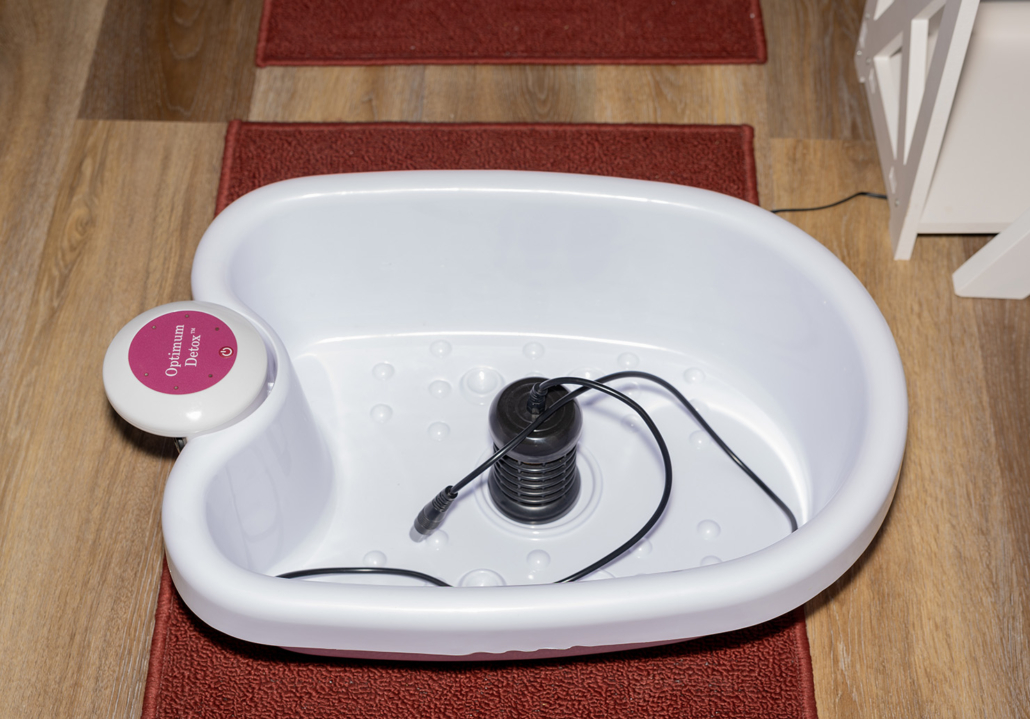
Ionic foot detox sessions fall into that category for many clients. People often choose them because they want a low-pressure treatment that feels calming and supportive. While experiences vary from person to person, services like this can be part of a broader self-care routine when the main goal is to create space to rest and reset.

The bigger point is that burnout recovery does not always begin with the most advanced treatment. Sometimes it begins with the one you will actually book, enjoy, and repeat.

How to choose the best wellness treatments for burnout

The best choice depends on what burnout feels like in your body. If your mind is racing and you feel overstimulated, quiet sensory treatments like salt therapy or guided rest may help most. If your body aches and sleep feels impossible, massage or heat-based care may be more effective. If you feel emotionally flat and disconnected, nurturing treatments like facials, scrubs, or a personalized wellness session may be the gentlest way back.

It also helps to think in layers. One treatment can calm you in the moment, but a rhythm of care tends to make a bigger difference. That might mean a salt cave session twice a month, a massage when tension builds, and simple at-home body care in between. Recovery usually looks steadier than that. Less rescue, more support.

If you have been running on empty for a while, choose treatments that ask very little of you while offering a clear sense of relief. Quiet environments, personalized attention, and services that support both stress relief and physical comfort often go furthest.

Burnout can make even rest feel hard to reach. Sometimes the kindest next step is choosing one wellness experience that gives you room to breathe, soften, and feel cared for again.

Halotherapy for Seasonal Congestion Relief

Halotherapy for Seasonal Congestion Relief

When the weather shifts in Virginia, congestion has a way of settling in fast. One week it is pollen, the next it is dry air, and suddenly your head feels heavy, your nose feels blocked, and even resting can feel like work. Halotherapy for seasonal congestion has become a comforting option for people who want support that feels natural, relaxing, and easy to fit into a busy routine.

Why seasonal congestion can feel so draining

Seasonal congestion is not always dramatic, but it can wear you down. You may notice pressure around your eyes, a stuffy nose that comes and goes, post-nasal drip, or that foggy feeling that makes it hard to focus. For many people, it also affects sleep, energy, and patience.

The challenge is that congestion often shows up alongside everything else life is already asking of you. Work does not slow down. Family responsibilities are still there. You still want to feel like yourself. That is why many wellness-minded adults look for options that support breathing comfort while also giving the body and mind a chance to rest.

What is halotherapy for seasonal congestion?

Halotherapy, often called salt therapy, is a wellness service that uses dry salt particles dispersed into the air in a dedicated space such as a salt room or salt cave. During a session, you simply sit back and breathe normally while the fine salt circulates through the room.

People often choose halotherapy for seasonal congestion because it offers two things at once. First, it supports a clearer, more comfortable breathing experience. Second, it creates a calm environment where your nervous system can slow down. If your congestion tends to feel worse when you are tired, tense, or overextended, that added sense of relaxation can matter more than people expect.

This is one reason the experience appeals to both first-time visitors and long-time wellness clients. It does not ask much from you. You do not need to learn a complicated routine or commit to something intense. You arrive, settle in, and give yourself a quiet block of time to breathe.

How salt therapy may help you feel clearer

Many guests describe a salt session as a reset for heavy, stuffy days. The dry salt environment is often sought out for its ability to support the respiratory system and encourage a more open feeling in the airways. For someone dealing with seasonal sinus pressure or recurring stuffiness, that can be the main draw.

There is also a comfort factor that should not be overlooked. Warm, nurturing spaces tend to help people release tension in the face, jaw, neck, and shoulders. That matters because congestion rarely feels isolated to the nose alone. It can create an overall sense of tightness and fatigue. A relaxing session may help soften that experience.

Of course, results are personal. Some people notice they feel lighter after one visit. Others feel the biggest difference when sessions become part of a regular wellness rhythm during high-pollen months or seasonal transitions. Like many supportive self-care services, it can be less about a dramatic one-time fix and more about steady care.

What a session usually feels like

If you have never tried salt therapy before, the idea can sound more mysterious than it really is. In most cases, the session is simple and quiet. You enter a softly designed room, get comfortable in a chair, and breathe as dry salt is released into the air. Many people read, meditate, rest, or simply enjoy having nowhere to be for a little while.

The environment is part of the value. A boutique salt cave experience feels different from trying to squeeze in one more errand. It gives you permission to pause. For working professionals, caregivers, and anyone carrying daily stress, that calm can feel just as welcome as the breathing support.

You may notice a subtle salty taste in the air or a different sensation in your nose and throat as you breathe. Most people find the process easy and gentle. The best approach is to come in comfortable clothing, settle in, and allow the time to be restorative rather than productive.

Halotherapy for seasonal congestion and stress go hand in hand

One of the most overlooked parts of seasonal discomfort is how frustrating it can be. When you cannot breathe comfortably, sleep deeply, or think clearly, your stress level tends to rise. Then your body feels more tense, and the whole cycle becomes harder to break.

That is where halotherapy stands apart from quick convenience solutions. It is not only about the salt in the air. It is also about the atmosphere around the experience. A quiet room, supportive care, and uninterrupted downtime can help you shift out of rush mode for a while.

For many guests, this combination is what makes the session feel worthwhile. They are not just looking for a service. They are looking for relief that feels caring, not clinical. They want to leave feeling more open, more rested, and more like themselves.

When salt therapy makes the most sense

Halotherapy can be especially appealing during spring pollen season, fall leaf changes, or winter months when indoor heat leaves the air feeling dry. It may also be useful if you tend to notice repeat stuffiness during weather swings or after spending time outdoors.

That said, expectations matter. If your congestion is severe, tied to an illness, or accompanied by symptoms that concern you, wellness services should not replace medical care. Salt therapy is best understood as supportive self-care, not a cure-all. The people who tend to love it most are those who want a gentle, non-invasive addition to their overall wellness routine.

It also helps to think about timing. Some guests book when symptoms first start to build, while others come regularly through their hardest season. There is no single right schedule. It depends on your body, your lifestyle, and how your congestion typically shows up.

Making your session work better for you

A little preparation can help you get the most from the experience. Arriving hydrated, breathing comfortably through the session, and giving yourself a few minutes afterward instead of rushing back into the day can make a difference. If you are squeezing the appointment between meetings, you may still enjoy the salt therapy, but you might miss some of the deeper relaxation that helps the experience feel complete.

It can also be helpful to notice patterns. Do you feel more congested after yard work, on high-pollen days, or when the seasons first change? Knowing your triggers can help you decide when to schedule support. Wellness works best when it is responsive, not random.

For some people, the experience pairs naturally with other forms of self-care. A calming evening routine, time away from screens, and thoughtful body care can extend that renewed feeling after a session. That is part of what makes a wellness space like Relax, Release, Renew Salt Cave so appealing – the focus is not just on one moment of relief, but on creating a whole experience of care.

Is halotherapy right for everyone?

Halotherapy is approachable for many adults, but it is still personal. If you enjoy quiet wellness experiences, prefer natural-feeling support, and want a break from the constant push of the day, it may be a very good fit. If you are looking for an instant answer to every symptom, you may need a broader plan.

That trade-off is worth being honest about. Salt therapy shines when people come to it with realistic expectations and a desire for ongoing care. It is a gentle service, not an aggressive one. For many, that is exactly the point.

Beginners often appreciate how low-pressure the experience feels. You do not need to be a wellness expert. You just need to be open to giving yourself time to rest and breathe. And for those who already value regular self-care, halotherapy can become a seasonal favorite that supports both physical comfort and emotional reset.

When your head feels full, your breathing feels restricted, and the season seems determined to wear you out, a quiet hour of salt therapy can feel like a small act of kindness to yourself. Sometimes that is where feeling better begins.

Is a Salt Cave for Sleep Support Worth It?

Is a Salt Cave for Sleep Support Worth It?

Falling asleep when your mind is still running, your nose feels stuffy, or your body cannot seem to let go is frustrating in a very specific way. That is why many people start looking beyond the usual advice and wonder whether a salt cave for sleep support could help them settle down more naturally.

The short answer is that it can be a helpful part of a sleep routine for some people, especially if stress, congestion, or general overstimulation are getting in the way of rest. A salt cave is not a magic fix, and it is not a treatment for every sleep issue. What it does offer is something many adults in the Richmond and Mechanicsville area are missing – a quiet environment that encourages the body to slow down, breathe more comfortably, and rest without demands.

How a salt cave for sleep support may help

A salt cave session is less about forcing sleep and more about creating the conditions that make sleep easier later. The room is calm. The lighting is gentle. The air feels different. For many guests, that shift alone is enough to take them out of the constant alert mode that builds up during a busy week.

Stress is one of the biggest reasons people struggle to fall asleep, even when they are exhausted. When your nervous system has been switched on all day, bedtime does not always feel restful. It can feel like one more task to complete. Sitting quietly in a salt cave gives your body a chance to practice being still again. That can carry over into the evening, especially when regular sessions become part of a larger self-care rhythm.

Breathing also matters more than most people realize. If you deal with seasonal irritation, mild congestion, or that heavy feeling in your sinuses at night, sleep can become lighter and more interrupted. Dry salt therapy is often chosen by people who want support for easier breathing and respiratory comfort. While individual experiences vary, some guests say they feel clearer and more open after a session, which can make bedtime feel less uncomfortable.

Then there is the emotional side of rest. Good sleep is not only physical. It is also about feeling safe enough to release the day. A peaceful environment, soft quiet, and uninterrupted time can help create that reset. Sometimes the body needs a transition, not a trick.

What a session actually feels like

If you have never visited a salt cave before, it helps to know what to expect. Most people are pleasantly surprised by how simple the experience is. You are not asked to do anything complicated. You settle into a comfortable chair, breathe normally, and let yourself be still.

The room is designed to feel peaceful rather than clinical. That matters. For someone seeking better sleep, the environment itself is part of the support. Instead of bright lights, noise, and rushing, you get a quiet pocket of time that feels separate from the rest of life.

Some people become deeply relaxed during the session. Others stay awake but notice their shoulders drop, their breathing slow, and their thoughts soften. Both responses are useful. If your goal is better sleep later, you do not need to fall asleep in the cave for the session to be worthwhile.

At Relax, Release, Renew Salt Cave, that sense of comfort and personal care is part of what makes the experience approachable. For many guests, simply having a calm space already prepared for them removes a layer of effort that often keeps self-care from happening at all.

Why relaxation can improve sleep even when nothing else changes

People often assume sleep support has to be direct to be effective. They want one thing that knocks out the problem. In reality, better sleep is often built from indirect support – less tension, easier breathing, fewer racing thoughts, and more consistent transitions into rest.

That is where a salt cave can fit beautifully. It gives your body a low-pressure chance to unwind before bedtime becomes a struggle. If you are a caregiver, a busy professional, or someone who feels mentally “on” all day, that pause can be surprisingly meaningful.

There is also value in ritual. When you regularly make time to step away from your screens, errands, and responsibilities, your body starts recognizing that shift. A salt cave visit can become part of that pattern. Maybe it is a late afternoon reset after work. Maybe it is an evening appointment that helps you move into a quieter pace before bed. The exact timing depends on your schedule, but the principle stays the same.

When a salt cave for sleep support makes the most sense

This kind of wellness support tends to be most appealing when sleep struggles are tied to stress, congestion, or difficulty winding down. If your evenings feel overstimulated and your body never quite gets the message that the day is over, a calming salt session may feel like a natural fit.

It can also be a good option for people who want non-invasive, gentle support. Many adults are not looking for another complicated routine. They want something that feels restorative, simple, and realistic to maintain.

That said, it depends on what is driving your sleep issues. If your sleep problems are severe, ongoing, or linked to a diagnosed condition, a salt cave should be seen as a supportive wellness experience, not a substitute for medical care. The most helpful approach is often layered. You may benefit from better sleep habits, stress management, and wellness services that help your body relax more consistently.

How to make the experience more effective for sleep

If you want to try a salt cave for sleep support, a little intention can go a long way. Going straight from a loud, rushed day into a session and then back into full stimulation may limit the benefits. The goal is to let the calm continue.

Try scheduling your session later in the day if possible. Afterward, keep the evening gentle. Eat a simple dinner, dim the lights, and give yourself less screen time than usual. Even one quieter night can help you notice whether the session changes the way you feel at bedtime.

Consistency matters too. One session can feel wonderful, but ongoing wellness practices usually work best when they are repeated. If you find that you leave feeling calmer, clearer, and less tense, regular visits may offer more noticeable support over time.

It also helps to pay attention to your own patterns. Some people respond most strongly to the stress relief piece. Others notice the biggest difference in their breathing comfort. Your version of better sleep may not look exactly like someone else’s, and that is okay.

What a salt cave can and cannot do

A warm, honest answer is better than an overpromise. A salt cave can create a deeply relaxing experience and may support easier breathing and a calmer bedtime routine. For many people, that is meaningful. It can be the difference between going to bed wound tight and going to bed ready to rest.

What it cannot do is guarantee sleep or solve every reason you are tossing and turning. Sleep is personal. Hormones, stress, schedules, caffeine, health conditions, and environment all play a role. That does not make salt therapy less valuable. It simply means it works best as part of a thoughtful wellness picture rather than as a one-step answer.

For guests who are looking for a natural-feeling way to reset, though, the appeal is easy to understand. The experience is quiet, comforting, and restorative. It gives you space to breathe, which is something many people do not realize they have been missing until they finally slow down.

If your evenings have started to feel more draining than restful, it may be worth giving yourself a different kind of support. Sometimes better sleep begins with one calm hour that reminds your body how to soften.

What a Boutique Wellness Spa Experience Feels Like

What a Boutique Wellness Spa Experience Feels Like

Some self-care leaves you with a receipt and a rushed goodbye. A true boutique wellness spa experience leaves you feeling cared for before your session even begins.

That difference matters, especially when life feels full. If you are balancing work, family, constant notifications, or the low-grade stress that never quite turns off, the space you choose for restoration can shape the results you feel. A smaller wellness setting often offers something larger locations cannot – time, personal attention, and a sense that your comfort is not an afterthought.

Why a boutique wellness spa experience feels different

The word boutique is not just about size or style. In wellness, it usually means a more intentional environment. The lighting is softer. The pace is calmer. The service feels more personal. Instead of moving people through a packed schedule, a boutique setting tends to create room for the experience itself.

For many guests, that begins with being welcomed in a way that feels genuine. You are not expected to figure everything out on your own. If you are new to salt therapy, ionic foot detox, or body care treatments, you can ask questions without feeling behind. If you already know what helps you relax, your visit can reflect that too.

That personal rhythm is part of what makes smaller wellness spaces so appealing. There is often more consistency from one visit to the next, which helps build trust. When people feel comfortable, they tend to relax sooner, breathe more deeply, and settle into the treatment instead of spending the first half of it adjusting.

The setting shapes the outcome

Wellness is not only about the service being offered. It is also about the atmosphere surrounding it. A peaceful room can help your body shift gears. Quiet surroundings, comfortable seating, gentle textures, and thoughtful details all support the same goal – helping you release tension.

This is one reason salt caves and halotherapy rooms stand out in a boutique setting. The experience is sensory in the best way. You step into a space designed to feel grounding and calm, not clinical. For someone dealing with stress, sinus discomfort, dry air irritation, or mental fatigue, that environment can make the session feel both soothing and restorative.

There is also value in simplicity. A boutique wellness visit does not need to overwhelm you with a long menu of complicated options. Sometimes what people want most is a clear path to feeling better: a salt session to breathe and reset, a detox-focused treatment to support relaxation, or a body scrub that leaves skin softer and more refreshed.

What personalized care really means

Personalized care is one of the strongest reasons people seek out a boutique wellness spa experience. It does not have to mean an elaborate consultation or an all-day commitment. Often, it means small things done well.

It means someone takes the time to explain what to expect during your first halotherapy session. It means the staff notices whether you seem nervous, tired, or simply in need of quiet. It means recommendations are based on your goals, not just on what is available.

That matters because wellness is not one-size-fits-all. One guest may come in hoping for relief during allergy season. Another may need an hour away from caregiving responsibilities. Someone else may be focused on skin care and want to continue that ritual at home with salt-based products. The best boutique spaces meet people where they are.

There is also an important trade-off to mention. A boutique business may offer fewer treatment categories than a large spa or resort. But for many guests, the benefit is better depth, stronger attention, and a more memorable visit. Instead of trying everything once, you can return to a place that knows what helps you most.

Boutique wellness spa experience and everyday relief

For people in Mechanicsville and the greater Richmond area, wellness often needs to fit into real life. Not every self-care decision is about indulgence. Many are practical. You want to breathe easier. You want to feel less tense. You want your skin to feel less dry. You want one hour that helps the rest of the day go better.

That is where a boutique approach can be especially helpful. Services like halotherapy are approachable because they are simple to understand and easy to fit into a routine. You relax in a calming salt room while dry salt particles circulate through the air. Guests often choose this experience because it supports respiratory comfort while also giving them a quiet place to rest.

Ionic foot detox sessions appeal to a similar need. People often book them because they want a gentle, non-invasive way to pause, sit down, and support an overall sense of balance. Some guests come for physical reasons. Others come because the act of stepping away from stress has value on its own. Both are valid.

The same is true of body scrubs and take-home care. A wellness visit should not always end at the front desk. When products extend the feeling of the service, they help create continuity. A salt-based scrub in the shower later that week can bring you back to the calm you felt during your appointment.

Why people return to smaller wellness spaces

People rarely come back just because a treatment sounded nice once. They return because they felt something real. Maybe they slept better that night. Maybe their breathing felt clearer. Maybe they simply felt lighter after having uninterrupted quiet.

Testimonials matter in boutique wellness for that reason. They reflect lived experiences, not just promises. When a guest says they felt welcomed, relaxed, and genuinely better after a session, it tells you something about the care behind the service.

Smaller wellness businesses also tend to create a stronger sense of community. You may begin as a first-time visitor, but over time the experience becomes familiar in a comforting way. That familiarity can make it easier to prioritize your own care. Instead of treating wellness like a rare reward, you start seeing it as part of how you stay steady.

At Relax, Release, Renew Salt Cave, that local and personal feeling is part of the experience itself. It is not only about the treatment room. It is about being received warmly, guided clearly, and given space to restore in a way that feels approachable.

How to choose the right boutique wellness spa experience

The best fit depends on what you need most right now. If your days feel overstimulating, look for a place where the environment itself feels calm. If sinus pressure or seasonal discomfort is top of mind, a salt-focused service may be a natural choice. If your skin feels dry or neglected, body care products and treatments may offer a more visible reset.

It also helps to pay attention to how a business talks about its services. The most trustworthy boutique wellness providers keep the language clear and welcoming. They do not make the experience sound intimidating or overly technical. They help you understand what the session is for, what it may support, and how it fits into your life.

Convenience matters too. A beautiful treatment is less likely to become part of your routine if it feels hard to book or difficult to reach. For busy professionals, parents, and caregivers, accessible scheduling and a local setting can make all the difference.

And if you are deciding between a large spa and a smaller wellness studio, it helps to ask what kind of experience you want to remember. If you are looking for a polished, deeply personal visit where your comfort is part of the service, boutique may be exactly right.

A good wellness visit should not make you feel like you escaped your life for an hour. It should help you return to it feeling steadier, softer, and more like yourself.

Halotherapy vs Steam Room: Which Fits You?

Halotherapy vs Steam Room: Which Fits You?

When your head feels stuffy, your skin feels tired, and your nervous system is asking for a break, the choice between halotherapy vs steam room can feel surprisingly personal. Both are popular wellness experiences. Both can help you slow down. But they create very different sensations in the body, and the better fit often comes down to what kind of relief you are actually looking for.

If you have ever walked out of a steam room feeling melted into the floor in the best way, you already understand the appeal of heat and humidity. If you have ever settled into a quiet salt session and noticed easier breathing, calmer energy, or that refreshed post-session feeling, you know why halotherapy has such a loyal following. The question is not which one is universally better. It is which one supports your needs most naturally.

Halotherapy vs steam room: what is the real difference?

The biggest difference is the environment itself. A steam room surrounds you with moist heat. The air is warm, humid, and heavy, and that warmth can help your body relax quickly. Many people love it for easing tension, encouraging a sweat, and softening the feeling of dryness or congestion.

Halotherapy, often called dry salt therapy, works in a different way. Instead of heat and humidity, you sit in a calm, comfortable room while fine salt particles are dispersed into the air. The experience is usually cooler, quieter, and easier for people who do not enjoy intense heat. It is less about sweating and more about breathing, resting, and letting the session support a sense of respiratory and mental reset.

That distinction matters. Some wellness services feel effective because they are intense. Others feel effective because they are gentle. For many people, halotherapy falls into that second category.

How each experience feels during the session

A steam room tends to feel immediate. The moment you step in, the heat wraps around you. Your skin warms up quickly, your body starts to sweat, and your muscles may begin to loosen. If you like a deep, heated exhale at the end of a long day, that can feel wonderful. For some people, though, the intensity is a drawback. The heat can feel overwhelming, especially if you are already fatigued, sensitive to humidity, or simply not in the mood to be hot.

Halotherapy is usually more subtle. You are not battling heat. You are settling into stillness. The room is designed to help you slow down, and the session often feels more like dedicated restoration than endurance. People who want a wellness experience that feels peaceful, breathable, and easy to stay present in often prefer this style.

That comfort factor is easy to overlook, but it matters. If an experience helps you relax in the moment, you are more likely to return to it consistently. And consistency is often where the best wellness routines begin.

For congestion and respiratory comfort

This is where people often start comparing halotherapy vs steam room most closely. Steam has long been associated with temporary comfort when you feel clogged up. Warm, moist air can feel soothing in the moment, especially when your sinuses feel dry or tight. It can help loosen that heavy, stuffed feeling and make breathing feel easier for a while.

Halotherapy is often chosen by people who want a dry-air alternative that still supports respiratory wellness. Because the experience centers around inhaling microscopic salt particles in a controlled environment, many guests seek it out as part of a routine for feeling clearer and more refreshed. It is especially appealing for people who want support without the heaviness of steam.

It really depends on what your body responds to. If humidity feels comforting, steam may be your first instinct. If humid spaces make you feel sluggish or uncomfortable, halotherapy may be the more pleasant option.

For stress, burnout, and mental reset

Both options can help you decompress, but they do it in different ways.

A steam room relaxes through heat. There is something deeply soothing about warm air, especially after a tense workday, a tough workout, or a week that never seemed to slow down. The body often gets the message quickly: you can let go now.

Halotherapy tends to relax through atmosphere as much as environment. The calm setting, quiet session time, and slower pace invite a different kind of exhale. Instead of pushing the body into a heated response, it encourages stillness. That can be especially helpful for caregivers, busy professionals, and anyone who spends most of the day taking care of everyone else before remembering they need care too.

At Relax, Release, Renew Salt Cave, that sense of being looked after is part of the experience. For many guests, the session is not just about salt. It is about finally giving themselves room to rest.

For skin: moisture versus balance

If your skin feels dry, dull, or stressed, the choice can be nuanced.

Steam rooms are often associated with opening pores and increasing perspiration. Some people love the post-steam glow and the softened feeling that comes from warmth and moisture. If your skin responds well to humid environments, steam can feel replenishing.

Halotherapy takes a different path. People often choose it as part of a broader self-care approach that supports cleaner-feeling skin and an overall refreshed appearance. It is not a facial treatment, and it does not create that dewy, steamy finish. Instead, it tends to pair well with a skin-focused routine that values balance, gentle care, and less environmental stress.

If your skin already runs sensitive or easily irritated by heat, a steam room may not always feel ideal. In that case, the calmer environment of halotherapy may be more comfortable.

Who usually prefers a steam room?

Steam rooms are often a good fit for people who love heat, enjoy sweating, and want that immediate warmed-through feeling. They can be especially appealing after exercise or on cold days when your body is craving warmth. If intense relaxation helps you feel like your muscles are finally unclenching, steam may be exactly what you want.

The trade-off is that not everyone finds hot, humid air restful. Some people feel drained rather than restored. Others simply do not want a wellness experience that leaves them overheated, flushed, or eager to cool down.

Who usually prefers halotherapy?

Halotherapy often appeals to people who want a more peaceful, boutique-style experience. If your ideal wellness hour involves quiet, comfort, and feeling like you can breathe a little deeper, it tends to be a natural match. It also suits people who want support for congestion, stress relief, and skin-focused self-care without the intensity of a steam session.

Many first-time guests are surprised by how approachable it feels. You do not need to be a wellness expert to enjoy it. You simply need to be open to slowing down long enough to notice how your body responds.

Halotherapy vs steam room: which one should you choose?

If you are deciding between the two, start with your body rather than the trend.

Choose a steam room if you love humid heat, want to sweat, and find warmth deeply soothing. It can be a comforting option when your muscles feel tight or you want that full-body melt after a demanding day.

Choose halotherapy if you want a calmer, cooler, more breathable experience that supports relaxation while fitting naturally into a respiratory and self-care routine. It is often a better fit for people who want restoration without heat overload.

You also do not have to think of them as competitors forever. Some people enjoy both, just for different reasons and different seasons of life. In winter, steam may feel cozy. During stressful or busy periods, halotherapy may feel easier to return to regularly. Wellness is rarely one-size-fits-all.

What matters most is choosing the experience you will actually enjoy enough to make part of your care routine. The best self-care is not the one that sounds impressive. It is the one that leaves you feeling lighter, calmer, and more like yourself when you walk back out the door.

Salt Scrub vs Sugar Scrub: Which to Use?

Salt Scrub vs Sugar Scrub: Which to Use?

When your skin feels dull, flaky, or rough to the touch, a body scrub can make a noticeable difference after just one shower. But when it comes to salt scrub vs sugar scrub, the better choice depends less on trends and more on what your skin needs that day.

Both types of scrubs help remove dead skin cells, soften dry patches, and leave skin feeling refreshed. The difference is in how they exfoliate, how they feel on the skin, and which concerns they tend to support best. If you have ever stood in front of a shelf wondering which one belongs in your routine, the answer is usually simpler than it seems.

Salt scrub vs sugar scrub: what is the difference?

At the most basic level, the difference comes down to the exfoliating grain itself. Salt scrubs use mineral salt crystals, which tend to be larger, firmer, and more abrasive. Sugar scrubs use sugar granules, which are usually rounder and gentler as they dissolve.

That texture changes the whole experience. A salt scrub often feels more invigorating. It gives you a stronger polish and can be especially satisfying on rough areas like heels, knees, and elbows. A sugar scrub usually feels softer and a little more forgiving, which makes it a better fit for sensitive or easily irritated skin.

There is also a moisture difference. Sugar is a natural humectant, which means it helps draw moisture in. That is one reason sugar scrubs are often loved by people with dry skin. Salt scrubs can still be very nourishing when blended with quality oils, but salt itself does not have the same moisture-attracting quality.

When a salt scrub makes the most sense

A salt scrub is often the right choice when your skin feels extra rough and you want a deeper exfoliation. Think post-winter dryness on the body, stubborn flaky patches, or skin that needs a more thorough smoothing treatment before shaving or applying self-tanner.

Salt scrubs are also popular because they feel spa-like. They tend to deliver that freshly polished sensation many people associate with a reset – especially after a long week, a stressful season, or a stretch of neglecting self-care. Used thoughtfully, they can turn an ordinary shower into a more restorative ritual.

Another reason people reach for salt is the mineral content. While a scrub is not a medical treatment, many customers simply enjoy the connection between mineral-rich salt and a more grounded, cleansing body care experience. For wellness-minded routines, that sensory element matters.

Still, stronger is not always better. If your skin barrier is feeling compromised, if you have recently shaved, or if your skin stings easily, a salt scrub may feel too intense. The same scrub that feels wonderful on feet can feel harsh on more delicate areas.

Best skin types and uses for salt scrub

Salt scrubs tend to work best for normal to oily body skin, rough spots, and anyone who prefers a more invigorating exfoliation. They are often a good fit for feet, elbows, knees, and legs. Many people also enjoy them before moisturizing treatments because they leave the skin feeling exceptionally smooth.

If you are using one for the first time, start once a week and pay attention to how your skin responds. More frequent exfoliation is not always more effective.

When a sugar scrub is the better choice

A sugar scrub is usually the gentler option, which makes it a favorite for sensitive skin and regular maintenance. The granules are less abrasive, and because they dissolve more quickly with water, the scrub becomes softer as you use it.

That makes sugar especially appealing if your skin gets red easily, feels tight after showering, or tends toward dryness. A sugar scrub can still buff away dullness, but it does so with a milder touch. For many people, that means they are more likely to use it consistently without overdoing it.

Sugar scrubs also tend to feel more cushiony and comforting. If your body care routine is part of how you unwind, sugar often supports that softer, more nurturing experience. It can be a lovely choice before bed, after a bath, or anytime your skin needs smoothing without a heavy scrubbed feeling.

Best skin types and uses for sugar scrub

Sugar scrubs are often best for dry, sensitive, or mature skin, and for areas where you want a gentler exfoliation. Arms, décolletage, and everyday body use are common examples. Many people also prefer sugar if they exfoliate more than occasionally, since it is less likely to feel too aggressive.

If you are new to body scrubs altogether, sugar is often the easiest place to start.

How to choose between salt scrub vs sugar scrub

The easiest way to choose is to think about your skin in real time, not in theory. Are you dealing with rough buildup, or are you looking for softness without irritation? Do you want an invigorating polish, or a gentler reset?

Choose a salt scrub when your skin feels thick, dry, or uneven and you want a more noticeable exfoliating effect. Choose a sugar scrub when your skin feels delicate, dehydrated, or prone to redness and you want something kinder.

Season matters too. In colder months, when indoor heat and winter air can leave skin feeling depleted, many people appreciate the gentleness of sugar. In warmer months, especially when sandals and shorts are back in rotation, a salt scrub may be more useful for smoothing rough spots on legs and feet.

It also does not have to be one or the other forever. Some people keep both and use them differently. A sugar scrub can be your regular weekly exfoliant, while a salt scrub becomes your occasional deeper treatment for tougher areas.

What matters beyond the exfoliant itself

The base of the scrub matters almost as much as the grain. A well-made scrub should include nourishing oils that help soften the skin as you exfoliate. If a scrub leaves you feeling stripped or overly tight afterward, it may not be the right formula for you, even if the salt or sugar texture seems appealing.

Scent also shapes the experience. In a wellness routine, fragrance is not just extra. A calming scent can help signal rest, while a fresh, bright scent can make your shower feel more energizing. The right scrub should support how you want to feel, not just how you want your skin to look.

Texture, oil level, and grain size all affect comfort. Not all salt scrubs are equally intense, and not all sugar scrubs are equally mild. If possible, look for products created with the full skin experience in mind – exfoliation, hydration, and that sense of care you can actually feel.

How to use either scrub without overdoing it

Body scrubs work best when used on damp skin with a light hand. Massage gently in circular motions, focusing on rougher areas without scrubbing aggressively. Let the grains and oils do the work.

Once or twice a week is enough for most people. If your skin starts feeling irritated, sensitive, or unusually dry, that is usually a sign to scale back. Exfoliation should leave your skin smoother and more comfortable, not raw.

It is also wise to avoid scrubs right after shaving, on broken skin, or on areas with active irritation. And after exfoliating, follow with a moisturizer or body oil to help seal in softness.

A gentle rule of thumb

If you are still deciding between the two, think of salt as the stronger polish and sugar as the softer comfort choice. Neither is universally better. The right fit depends on your skin, your preferences, and the kind of self-care moment you are creating.

For many people, the best routine is not about doing the most. It is about choosing the product that helps your skin feel smoother, your body feel cared for, and your day feel a little calmer. At Relax, Release, Renew Salt Cave, that kind of simple, restorative care is often where the real difference begins.

Is Halotherapy Good for Stress Relief?

Is Halotherapy Good for Stress Relief?

Some forms of stress feel loud – racing thoughts, tight shoulders, shallow breathing. Others are quieter, like the kind that follows you home after work or settles in after weeks of caregiving, poor sleep, or nonstop responsibility. If you have been wondering, is halotherapy good for stress, the honest answer is that it can be a deeply supportive part of a stress relief routine, especially for people who need space to slow down and breathe.

Halotherapy is not a magic fix for every kind of stress, and it is not a replacement for medical or mental health care when more support is needed. But for many people, the experience of sitting in a calm salt cave, breathing in a peaceful environment, and stepping away from constant stimulation can feel like a reset that is both simple and meaningful.

Is halotherapy good for stress, or just relaxing?

That distinction matters. Something can feel relaxing in the moment without making a lasting difference in how you carry stress through the rest of your week. Halotherapy often appeals to people because it offers more than a quick distraction. It creates a setting where your body has a chance to shift gears.

In everyday life, stress rarely arrives alone. It tends to show up with muscle tension, mental fatigue, irritability, shallow breathing, headaches, or trouble winding down at night. A quiet halotherapy session can help interrupt that cycle. The room is designed for stillness. The atmosphere is calm. Phones are put away. There is nothing to manage for a little while, and that alone can be powerful for people who spend most of their days taking care of everyone else.

For some guests, stress relief comes from the environment itself. For others, it comes from the feeling of fuller, easier breathing and the ritual of setting aside time for themselves. The effect is not usually dramatic in a one-time, instant transformation kind of way. It is often gentler than that. You leave feeling softer, quieter, and less wound up.

Why a salt cave can feel so calming

Stress lives in the body as much as the mind. When you are tense, your breathing may become shallow, your jaw clenches, and your nervous system stays on alert. That is why restful environments matter. A salt cave session offers a combination of low lighting, comfortable seating, stillness, and a peaceful atmosphere that encourages your body to stop bracing.

That shift can be especially helpful for busy professionals, parents, caregivers, and anyone who feels emotionally overstretched. Many people are not looking for one more thing to accomplish. They are looking for relief that feels easy to receive. Sitting in a salt cave does not ask you to perform, process, or produce. You simply arrive and let yourself rest.

There is also something reassuring about giving your mind fewer things to react to. Constant noise, notifications, errands, and mental multitasking keep stress levels high. A calm wellness setting helps remove some of that input. When the environment quiets down, people often notice that their thoughts do too.

How halotherapy may support stress relief

Halotherapy is often associated with respiratory wellness, but the stress connection makes sense when you look at the full experience. Better breathing and relaxation are closely linked. When you feel congested, tight, or uncomfortable, it is harder to settle into rest. When your breath feels easier, your body often follows.

This is one reason people dealing with seasonal irritation, sinus pressure, or that heavy, closed-up feeling may find halotherapy especially comforting. Relief from physical discomfort can create emotional relief too. It is easier to relax when you do not feel like you are fighting your own body.

There is also the ritual side of it. Booking a session, arriving at a calming space, and giving yourself permission to pause can become a healthy pattern. Stress management usually works best when it is not treated as an emergency-only response. Gentle, regular experiences often do more than occasional last-minute attempts to calm down.

For people who respond well to sensory experiences, halotherapy can fit beautifully into a broader self-care practice. It pairs naturally with quiet reflection, intentional breathing, and other non-invasive wellness habits that support calm without feeling complicated.

What people often notice after a session

The most common response is not usually a dramatic breakthrough. It is a sense of ease. Guests may feel more grounded, less mentally crowded, and more rested than when they arrived. Some notice their shoulders drop. Some feel lighter in their chest. Others simply enjoy having had uninterrupted quiet, which is rarer than it should be.

That does not mean every session feels identical. Stress is personal, and so is relaxation. Someone carrying physical tension may notice body-level relief first. Someone who has been mentally overloaded may feel the biggest benefit in their mood and focus. The experience depends on what kind of stress you are carrying into the room.

Is halotherapy good for stress for everyone?

Sometimes, yes. Always, not necessarily.

If your stress is tied to being overstimulated, overscheduled, physically tense, or emotionally drained, halotherapy may feel like a very natural fit. It can also be appealing if you want something quiet, low-pressure, and non-invasive. Many people prefer a wellness experience that does not require intense effort, especially when they are already depleted.

At the same time, halotherapy is not the right stand-alone answer for severe anxiety, panic, burnout, or stress that is deeply affecting your daily functioning. In those cases, extra support may be important. A salt cave session can still be a comforting complement, but it should not carry the full burden of care.

It also helps to be realistic about expectations. If you go in hoping one session will erase months of tension, you may miss the quieter benefit it can offer. Halotherapy tends to support stress relief best when it is part of an ongoing approach to wellness, alongside rest, hydration, movement, healthy boundaries, and professional support when needed.

Getting more stress relief from the experience

A halotherapy session tends to work best when you let it be what it is – a pause. If possible, avoid rushing in frazzled and rushing right back out to a packed schedule. Give yourself a little breathing room before and after. That transition matters.

Wear comfortable clothing. Arrive with the intention to unplug. Let your jaw unclench. Let your shoulders settle. Instead of asking whether you are doing relaxation correctly, simply notice what changes as you sit in the space. Sometimes the benefit begins the moment you stop trying so hard.

Consistency can help too. For some people, occasional sessions feel like a treat. For others, regular visits become part of how they stay ahead of stress instead of waiting until they are completely drained. There is no single perfect schedule, but there is value in making rest something you practice, not something you postpone.

If you enjoy extending that calm at home, body care rituals can help carry the feeling forward. Something as simple as a warm shower followed by a salt scrub or a quiet evening routine can reinforce the sense that self-care is not an indulgence. It is maintenance for your mind and body.

A gentle option for people who need a reset

Stress relief does not always have to be loud, intense, or complicated. Sometimes what helps most is a peaceful room, a quiet breath, and a little time away from everything that keeps pulling on you. That is where halotherapy can be especially meaningful.

For adults in the Richmond and Mechanicsville area who are looking for a calm, welcoming wellness experience, salt therapy often feels approachable because it meets people where they are. You do not need to be a wellness expert. You do not need to force yourself into a rigid routine. You just need a willingness to pause.

At Relax, Release, Renew Salt Cave, that pause is part of the experience itself – personal, calming, and designed to help you feel cared for from the moment you walk in. And when life feels especially heavy, being cared for can be more healing than people realize.

If stress has been sitting in your chest, your shoulders, or the back of your mind for longer than you would like, halotherapy may be worth trying not because it promises perfection, but because it offers something many people are missing: a gentle place to exhale.