7 Self Care Treatments for Stress That Help
Some forms of stress announce themselves loudly – a racing mind, tight shoulders, a short temper by midafternoon. Others settle in quietly. You sleep, but never feel rested. Your skin feels dull. Your breathing stays shallow. That is often when self care treatments for stress become more than a nice idea. They become a way to pause, reset, and give your body a little help catching up.
The best treatment is not always the trendiest one. It is the one that helps you feel safe enough to exhale, supported enough to slow down, and cared for enough to return to your day with a little more energy than you had before. For some people, that looks like stillness in a salt room. For others, it is warm water, gentle touch, or a simple ritual they can repeat at home.
Why self care treatments for stress can work so well
Stress is not just mental. It shows up physically, and that is why body-based care can feel so effective. When your nervous system has been running high for too long, talking yourself into relaxing is not always enough. A quiet environment, soft lighting, calm breathing, and sensory comfort can help your body shift gears in a way that feels more natural.
That does not mean every treatment works the same way for every person. Some people need deep quiet. Some respond better to touch. Some want a treatment that feels restorative without feeling clinical. The goal is not to chase perfection. It is to find a few reliable ways to support your body before stress becomes your normal setting.
Salt therapy for stress relief and quiet reset
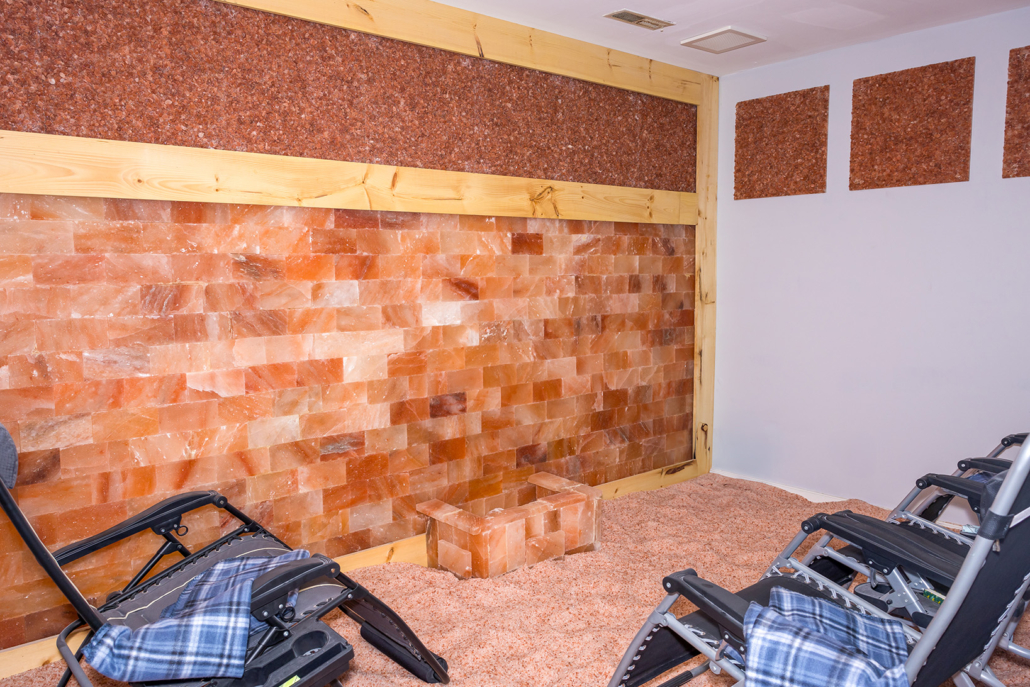
If you have never tried halotherapy, the experience is often simpler and more calming than people expect. You sit back in a peaceful salt cave or salt room, breathe normally, and let the environment do some of the work. Many guests come in because they are overwhelmed, overstimulated, or simply tired of feeling tense all the time.
For stress, salt therapy can be appealing because it asks very little of you. There is no performance, no workout, no long checklist. You rest. You breathe. You step away from noise and screens for a set amount of time. That alone can feel deeply restorative for busy professionals, caregivers, and anyone whose mind rarely stops moving.
There can also be a layering effect. If stress tends to show up alongside sinus pressure, shallow breathing, or general fatigue, a session that supports respiratory comfort may help you feel more at ease overall. It is not a cure-all, and it is not meant to replace medical care, but it can be a meaningful part of a stress-support routine.
Massage and touch-based care for physical tension
Stress often lives in the body long before we admit how overloaded we feel. The neck tightens. The jaw clenches. The back starts aching for no clear reason. That is why massage remains one of the most trusted self care treatments for stress.
A good massage can help interrupt that cycle of bracing and holding. Even one session can leave you feeling looser, warmer, and more grounded. But there is a trade-off here. If you are already highly sensitive or depleted, a very intense deep-tissue approach may not feel soothing. In that case, a gentler relaxation massage may be the better fit.
The most helpful question is not, “What is the strongest treatment?” It is, “What does my body need today?” Sometimes the answer is firm pressure. Sometimes it is comfort and quiet.
Warm water therapies that calm the nervous system
There is a reason people instinctively reach for a hot shower after a hard day. Warmth has a settling effect. It softens muscle tension, encourages stillness, and can make it easier to slow your breathing.
That is why warm baths, soaking rituals, and spa treatments that use heat can be especially helpful during stressful seasons. Adding mineral salts or a gentle body soak can turn a basic bath into a more intentional reset. This kind of care works well for people who feel worn down but do not want a highly stimulating treatment.
At the same time, timing matters. A hot bath right before bed may be wonderfully relaxing. The same bath in the middle of a rushed morning may not have the same effect. Self-care is not only about what you choose. It is also about when you give yourself permission to receive it.
Facial and skin-focused treatments that restore more than skin
Stress has a way of showing up in the mirror. Skin can look dry, tired, irritated, or simply off. That is one reason facials and body scrubs can feel surprisingly supportive during stressful periods. Yes, they care for the skin. But they also create a pocket of time where someone is tending to you, and that has value too.
Gentle exfoliation, hydration, and soothing products can help you feel refreshed in a visible way. For many people, that matters. When stress has left you feeling disconnected from yourself, even small improvements in how your skin feels can help you feel more put back together.
This is where at-home care can support in-studio treatments beautifully. A salt-based body scrub used once or twice a week can become a small ritual of renewal rather than just another product on the shelf. The treatment itself may be simple, but the consistency is what makes it meaningful.
Foot-focused treatments and full-body lightness
When stress builds, heaviness can settle in everywhere. Feet ache. Legs feel tired. Your whole body seems to carry the weight of too much. Foot-focused treatments can be helpful because they offer comfort in a very grounded, accessible way.
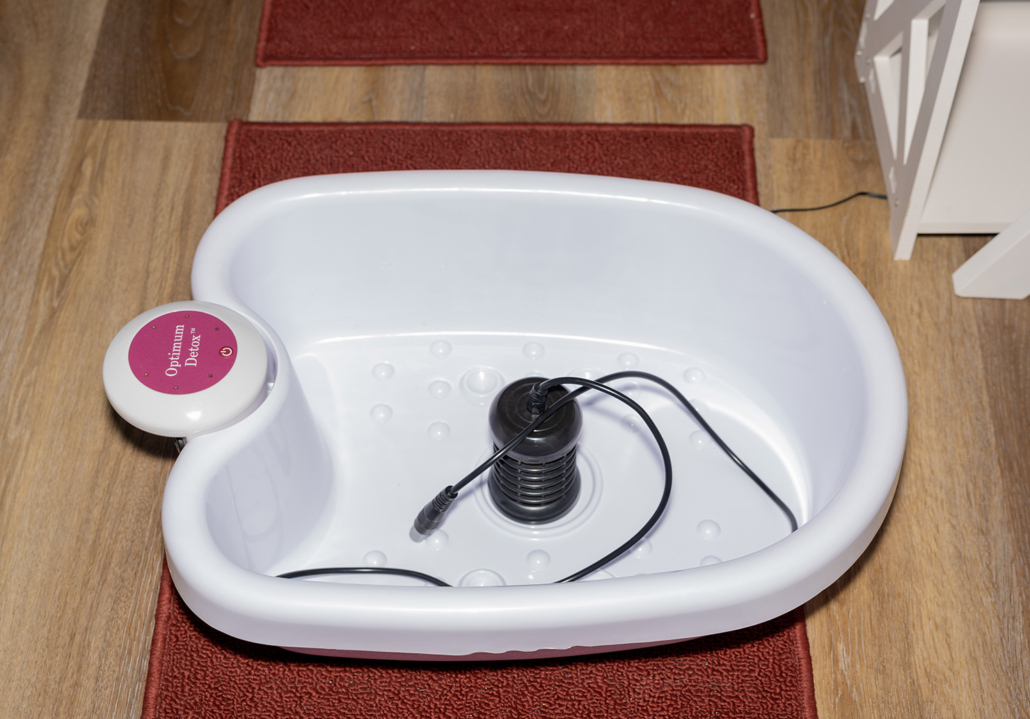
Sessions like ionic foot detox are often chosen by people who want quiet time, a sense of reset, and a treatment that feels gentle rather than demanding. While experiences vary from person to person, many people enjoy the chance to sit still, unplug, and leave feeling lighter than when they arrived.
That may sound simple, but simple can be powerful. Not every stress treatment has to be dramatic. Sometimes relief begins with being still long enough to notice how much your body has been carrying.
Breathwork, quiet rooms, and sensory rest
Not every stress treatment involves hands-on care. Some of the most effective options create the conditions for rest and let your body do the rest. Breathwork sessions, guided relaxation, meditation spaces, and quiet wellness rooms can all support stress relief in a gentle way.
These treatments tend to work best for people who are craving mental space as much as physical relief. If your day is full of noise, responsibility, and constant input, stepping into a low-stimulation environment can feel like medicine for the mind.
Still, this depends on personality. Some people love silence right away. Others feel restless when things get too quiet. If that is you, pairing sensory rest with another experience – like salt therapy or a warm foot soak – may feel more comfortable than sitting in stillness alone.
How to choose the right stress treatment for you
The right choice often comes down to one question: what kind of stress are you carrying right now? If your stress feels physical, look for treatments that release tension and help your body soften. If it feels mental and emotional, you may benefit more from quiet, breath-centered experiences that reduce stimulation.
It also helps to think about your lifestyle. A caregiver with one free hour may need a treatment that delivers calm quickly. A professional who spends all day on screens may respond well to a phone-free environment with soft lighting and minimal conversation. Someone who loves routines may do best with a take-home ritual they can repeat every week.
There is no prize for choosing the most elaborate option. The best self-care plan is the one you will actually return to.
Making stress relief a practice, not a last resort
Many people wait until they are completely drained before booking a treatment or setting aside time for themselves. It is understandable, but it makes stress harder to recover from. Regular care often works better than occasional rescue.
That could mean scheduling a salt session once a month, using a body scrub on Sunday evenings, or making one wellness appointment part of your routine rather than your emergency plan. At Relax, Release, Renew Salt Cave, that rhythm of care is what many guests value most – not just a single relaxing visit, but a place where restoration feels personal and easy to return to.
If stress has been asking too much of you lately, start with one treatment that feels comforting, realistic, and easy to say yes to. Relief does not always arrive all at once. Sometimes it begins the moment you finally give yourself room to breathe.



Trackbacks & Pingbacks
[…] guidance that helps you choose what is right for your skin instead of guessing. For people who want self-care to feel truly restorative, that difference […]
Comments are closed.