
Is a Salt Cave for Sleep Support Worth It?
Falling asleep when your mind is still running, your nose feels stuffy, or your body cannot seem to let go is frustrating in a very specific way. That is why many people start looking beyond the usual advice and wonder whether a salt cave for sleep support could help them settle down more naturally.
The short answer is that it can be a helpful part of a sleep routine for some people, especially if stress, congestion, or general overstimulation are getting in the way of rest. A salt cave is not a magic fix, and it is not a treatment for every sleep issue. What it does offer is something many adults in the Richmond and Mechanicsville area are missing – a quiet environment that encourages the body to slow down, breathe more comfortably, and rest without demands.
How a salt cave for sleep support may help
A salt cave session is less about forcing sleep and more about creating the conditions that make sleep easier later. The room is calm. The lighting is gentle. The air feels different. For many guests, that shift alone is enough to take them out of the constant alert mode that builds up during a busy week.
Stress is one of the biggest reasons people struggle to fall asleep, even when they are exhausted. When your nervous system has been switched on all day, bedtime does not always feel restful. It can feel like one more task to complete. Sitting quietly in a salt cave gives your body a chance to practice being still again. That can carry over into the evening, especially when regular sessions become part of a larger self-care rhythm.
Breathing also matters more than most people realize. If you deal with seasonal irritation, mild congestion, or that heavy feeling in your sinuses at night, sleep can become lighter and more interrupted. Dry salt therapy is often chosen by people who want support for easier breathing and respiratory comfort. While individual experiences vary, some guests say they feel clearer and more open after a session, which can make bedtime feel less uncomfortable.
Then there is the emotional side of rest. Good sleep is not only physical. It is also about feeling safe enough to release the day. A peaceful environment, soft quiet, and uninterrupted time can help create that reset. Sometimes the body needs a transition, not a trick.
What a session actually feels like
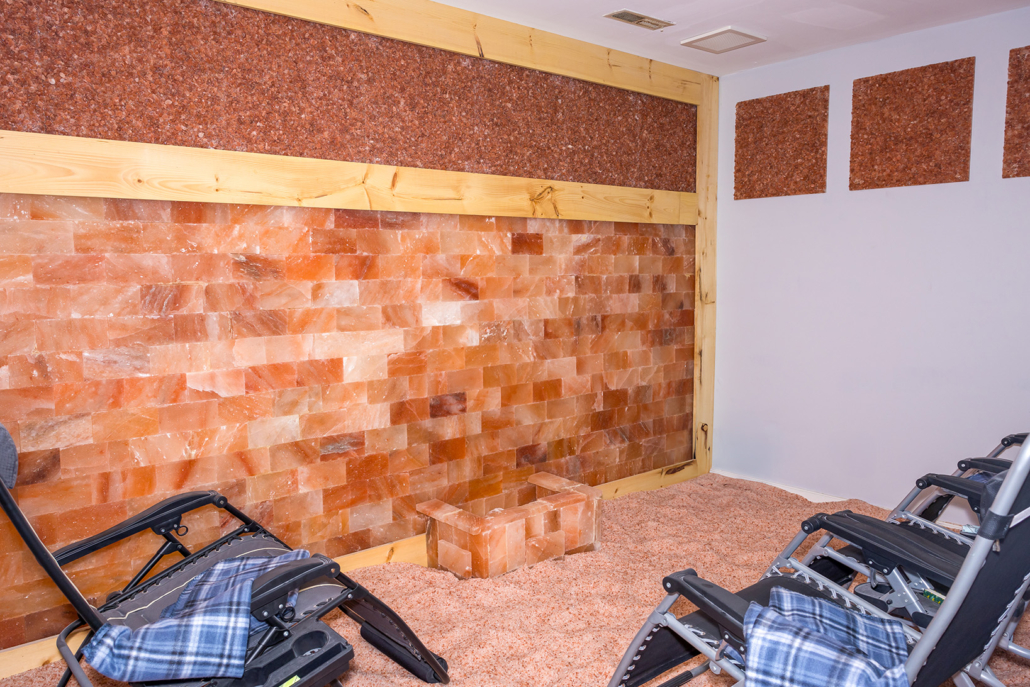
If you have never visited a salt cave before, it helps to know what to expect. Most people are pleasantly surprised by how simple the experience is. You are not asked to do anything complicated. You settle into a comfortable chair, breathe normally, and let yourself be still.
The room is designed to feel peaceful rather than clinical. That matters. For someone seeking better sleep, the environment itself is part of the support. Instead of bright lights, noise, and rushing, you get a quiet pocket of time that feels separate from the rest of life.
Some people become deeply relaxed during the session. Others stay awake but notice their shoulders drop, their breathing slow, and their thoughts soften. Both responses are useful. If your goal is better sleep later, you do not need to fall asleep in the cave for the session to be worthwhile.
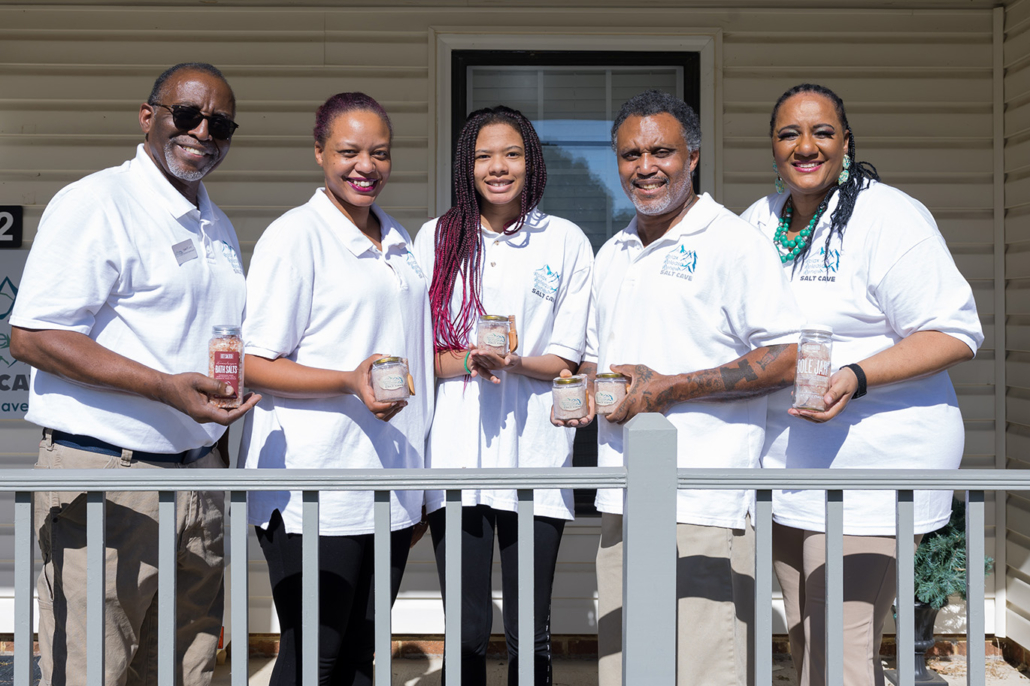
At Relax, Release, Renew Salt Cave, that sense of comfort and personal care is part of what makes the experience approachable. For many guests, simply having a calm space already prepared for them removes a layer of effort that often keeps self-care from happening at all.
Why relaxation can improve sleep even when nothing else changes
People often assume sleep support has to be direct to be effective. They want one thing that knocks out the problem. In reality, better sleep is often built from indirect support – less tension, easier breathing, fewer racing thoughts, and more consistent transitions into rest.
That is where a salt cave can fit beautifully. It gives your body a low-pressure chance to unwind before bedtime becomes a struggle. If you are a caregiver, a busy professional, or someone who feels mentally “on” all day, that pause can be surprisingly meaningful.
There is also value in ritual. When you regularly make time to step away from your screens, errands, and responsibilities, your body starts recognizing that shift. A salt cave visit can become part of that pattern. Maybe it is a late afternoon reset after work. Maybe it is an evening appointment that helps you move into a quieter pace before bed. The exact timing depends on your schedule, but the principle stays the same.
When a salt cave for sleep support makes the most sense
This kind of wellness support tends to be most appealing when sleep struggles are tied to stress, congestion, or difficulty winding down. If your evenings feel overstimulated and your body never quite gets the message that the day is over, a calming salt session may feel like a natural fit.
It can also be a good option for people who want non-invasive, gentle support. Many adults are not looking for another complicated routine. They want something that feels restorative, simple, and realistic to maintain.
That said, it depends on what is driving your sleep issues. If your sleep problems are severe, ongoing, or linked to a diagnosed condition, a salt cave should be seen as a supportive wellness experience, not a substitute for medical care. The most helpful approach is often layered. You may benefit from better sleep habits, stress management, and wellness services that help your body relax more consistently.
How to make the experience more effective for sleep
If you want to try a salt cave for sleep support, a little intention can go a long way. Going straight from a loud, rushed day into a session and then back into full stimulation may limit the benefits. The goal is to let the calm continue.
Try scheduling your session later in the day if possible. Afterward, keep the evening gentle. Eat a simple dinner, dim the lights, and give yourself less screen time than usual. Even one quieter night can help you notice whether the session changes the way you feel at bedtime.
Consistency matters too. One session can feel wonderful, but ongoing wellness practices usually work best when they are repeated. If you find that you leave feeling calmer, clearer, and less tense, regular visits may offer more noticeable support over time.
It also helps to pay attention to your own patterns. Some people respond most strongly to the stress relief piece. Others notice the biggest difference in their breathing comfort. Your version of better sleep may not look exactly like someone else’s, and that is okay.
What a salt cave can and cannot do
A warm, honest answer is better than an overpromise. A salt cave can create a deeply relaxing experience and may support easier breathing and a calmer bedtime routine. For many people, that is meaningful. It can be the difference between going to bed wound tight and going to bed ready to rest.
What it cannot do is guarantee sleep or solve every reason you are tossing and turning. Sleep is personal. Hormones, stress, schedules, caffeine, health conditions, and environment all play a role. That does not make salt therapy less valuable. It simply means it works best as part of a thoughtful wellness picture rather than as a one-step answer.
For guests who are looking for a natural-feeling way to reset, though, the appeal is easy to understand. The experience is quiet, comforting, and restorative. It gives you space to breathe, which is something many people do not realize they have been missing until they finally slow down.
If your evenings have started to feel more draining than restful, it may be worth giving yourself a different kind of support. Sometimes better sleep begins with one calm hour that reminds your body how to soften.