How Relaxation Sessions Reduce Stress and Renew You
Your shoulders may rise before you even notice it. A full inbox, a demanding workday, family responsibilities, or restless sleep can leave your body braced for the next thing. That is where intentional rest can make a meaningful difference. Understanding how relaxation sessions reduce stress starts with recognizing that stress is not only a thought – it is a whole-body experience.
A dedicated session gives you something many busy adults rarely get at home: permission to stop responding, stop multitasking, and simply be cared for. In a calm, comfortable setting, your mind has fewer demands to manage and your body has an opportunity to settle into a slower rhythm.
Stress lives in the body, not just the mind
When life feels nonstop, the body can remain in a state of alertness long after the immediate pressure has passed. You might notice it as a tight jaw, shallow breathing, tense shoulders, headaches, difficulty focusing, irritability, or trouble falling asleep. Even enjoyable responsibilities can become draining when there is no room to recover between them.
Relaxation does not erase a demanding schedule or solve every source of worry. What it can do is create a pause in the cycle. During that pause, your body may move away from the constant “go, go, go” feeling and toward a more settled state. Many people leave a thoughtful wellness session feeling lighter, quieter, and more able to handle what is waiting for them outside the door.
This is why making time for rest is not an indulgence reserved for special occasions. It can be part of how you care for your energy, mood, and ability to show up for the people and commitments that matter to you.
How relaxation sessions reduce stress in everyday life
A relaxation session works best when it gives your senses a break. Soft lighting, a peaceful room, supportive seating, a comfortable temperature, and a quiet atmosphere all send a different message than the noise and urgency of daily life. Instead of asking your attention to jump from one demand to another, the experience invites you to settle.
They create a boundary around your time
At home, it can be difficult to relax without interruption. The laundry is visible, notifications keep arriving, and there is always one more task that feels urgent. A booked session creates a clear boundary: this time has a purpose, and that purpose is your well-being.
Even a short appointment can feel restorative because you are no longer trying to relax while also managing everything else. You have stepped out of the usual environment and into one designed to support stillness.
They encourage slower, fuller breathing
Stress often changes the way we breathe. It can make breathing feel quick, shallow, or held high in the chest. When you are sitting comfortably in a calm space, you may naturally begin to take slower, deeper breaths.
That shift can be surprisingly powerful. A few quiet minutes of unhurried breathing may help ease the physical feeling of tension and make your thoughts feel less crowded. There is no need to perform relaxation perfectly. Simply noticing your breath and allowing it to soften is enough.
They reduce sensory overload
Many people spend the day moving between screens, traffic, conversations, work demands, and household noise. Your brain is continually sorting information. A peaceful session reduces some of that input, which can give your attention room to rest.
For some guests, the benefit is less about having a completely empty mind and more about no longer feeling pulled in five directions at once. Thoughts may still come and go, but they do not have to be answered immediately.
They make self-care easier to repeat
A single relaxing afternoon can feel wonderful. A regular practice can be even more supportive because it teaches you to notice stress sooner. You may begin to recognize the early signs – shortened patience, poor sleep, racing thoughts, or physical tension – and choose a restorative pause before you feel completely depleted.
Consistency does not have to mean a complicated routine. For one person, it may be a monthly salt cave visit. For another, it may be an express halotherapy experience during a busy week, paired with a quiet evening at home. The right rhythm depends on your schedule, comfort, and wellness goals.
Why the setting matters as much as the time
Not every form of rest feels equally restorative. Scrolling on the couch after a long day may be easy, but it can also keep your mind stimulated. A relaxation setting is different because the details are intentional. The environment supports the experience from the moment you arrive.
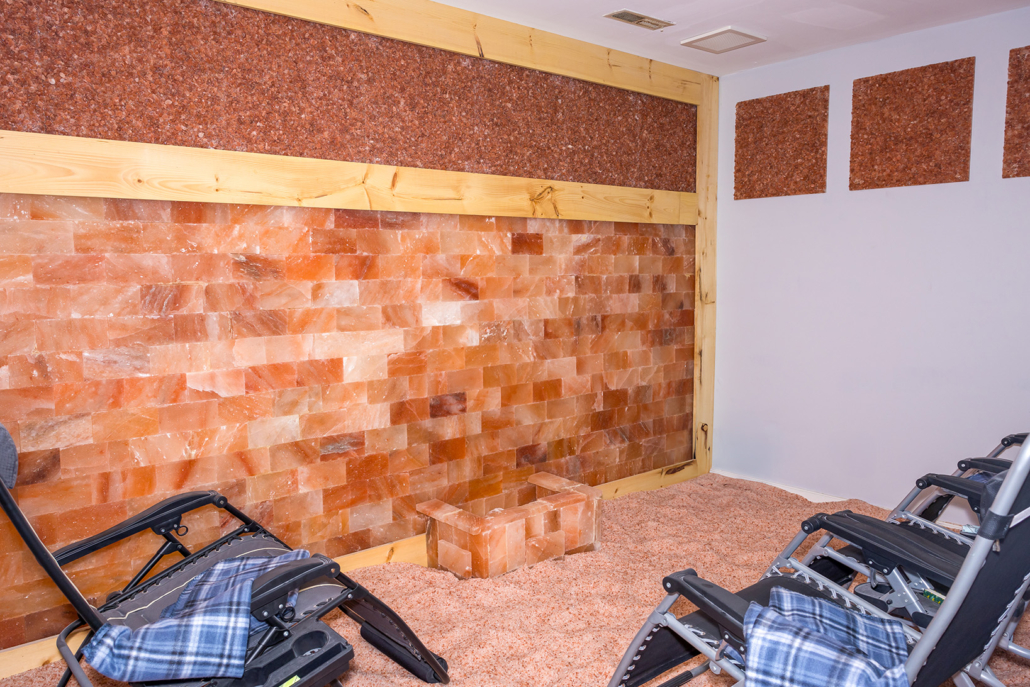
At Relax, Release, Renew Salt Cave, guests are welcomed into a boutique space created for a slower pace. A salt cave session offers a peaceful place to rest, breathe, and step away from daily demands. For people who are also seeking respiratory comfort or gentle skin-focused self-care, the salt-centered experience can feel especially appealing.
Halotherapy is often chosen as a wellness practice for its calming environment and potential respiratory and skin-supportive benefits. Individual experiences vary, and it should not replace medical care for ongoing symptoms or health concerns. Still, many guests appreciate the simple opportunity to sit in a tranquil space where their only job is to relax.
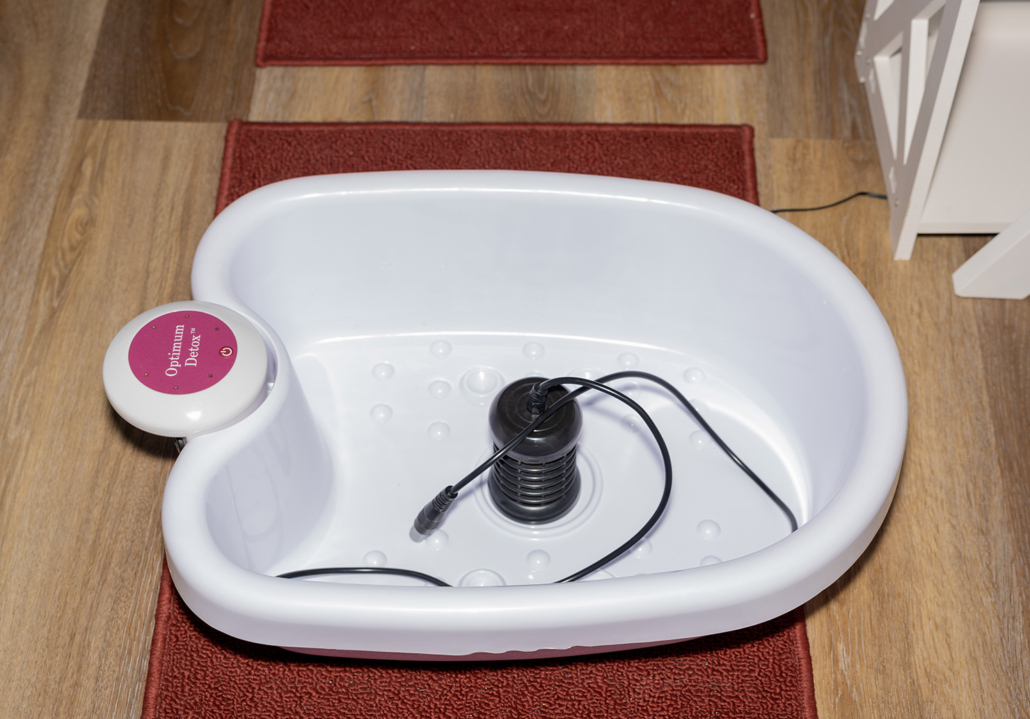
Complementary services can also support that feeling of renewal. An ionic foot detox session may be a comforting way to pause and focus on yourself, while salt-based body scrubs can extend a spa-like ritual into your shower at home. The most effective choice is the one that feels enjoyable and realistic enough to become part of your life.
A relaxation session is not about doing nothing
For caregivers, professionals, and anyone used to taking care of others first, rest can bring up guilt. You may think you should be catching up on errands, answering messages, or using the time more productively. But rest has a purpose. It helps create the breathing room needed to return to your responsibilities with more patience and presence.
Think of a relaxation session as a reset rather than an escape. You are not avoiding your life. You are giving yourself a chance to meet it from a steadier place.
That reset may look different each visit. Some days, you may feel deeply calm and sleepy afterward. Other days, you may simply notice that your neck feels less tight or that the drive home feels quieter. Both experiences count. Relaxation is personal, and its effects do not need to be dramatic to be worthwhile.
Making your session feel more restorative
A little preparation can help you get the most from your time. Try to arrive a few minutes early so you are not carrying the rush of traffic or the last phone call straight into the room. If possible, silence notifications and let the people who rely on you know that you will be unavailable for a short while.
You can also give yourself a gentle transition afterward. Rather than immediately jumping into a packed errand list, consider drinking water, taking a brief walk, or allowing a few quiet minutes before returning to work or home responsibilities. This helps the calm feeling last longer.
Most importantly, release the expectation that you must feel a certain way. Some people love silent stillness. Others relax more easily when they focus on their breath, listen to soothing sounds, or let their thoughts drift. There is no wrong way to receive care in a space designed for renewal.
Give yourself a place to exhale
Stress may always be part of a full life, but carrying it alone and continuously does not have to be. A peaceful session can become a small, dependable place to exhale – a reminder that your needs deserve room on the calendar, too.
The next time your body feels tense and your mind feels overfull, consider choosing an hour that belongs only to your well-being. Sometimes renewal begins with something as simple as sitting down, breathing deeply, and letting yourself be still.