

How to Hydrate After Exfoliating Your Skin
Freshly exfoliated skin can feel wonderfully smooth for a few minutes, then suddenly tight, warm, or thirsty. Knowing how to hydrate after exfoliating helps you hold on to that soft, renewed feeling without leaving your skin irritated or dry. The goal is not to pile on every product in the cabinet. It is to give your skin calm, simple support while its protective barrier settles back in.
Exfoliation removes built-up dead skin cells from the surface, whether you use a salt scrub, a washcloth, a chemical exfoliant, or a professional treatment. That smoother surface can help moisturizer feel especially comforting, but it can also be more vulnerable to moisture loss. A gentle follow-up routine makes all the difference.
How to Hydrate After Exfoliating Without Overdoing It
The best time to moisturize is shortly after you rinse or gently remove your exfoliant, while your skin is still a little damp. Do not rub your skin dry. Instead, pat with a soft towel and leave a light layer of water behind. Applying moisturizer at this point helps seal in that moisture rather than asking dry skin to recover on its own.
Choose a fragrance-free cream, lotion, or body oil that feels comfortable for your skin type. Creams are often a lovely choice for dry or mature skin because they tend to offer more lasting comfort. A lighter lotion may be enough if your skin is naturally oily or if you exfoliated during a humid Virginia summer day. For very dry areas, such as elbows, knees, heels, and hands, you can press a small amount of body oil over your moisturizer for an extra-soft finish.
Think of hydration in two layers. First, add water with damp skin or a hydrating product. Then, help keep that water from evaporating with a moisturizer that supports the skin’s natural barrier. You do not need an elaborate routine to do this well.
Keep the Rest of Your Routine Gentle
After exfoliating, skin is usually happiest with fewer active ingredients. Skip strong retinoids, additional acids, benzoyl peroxide, or heavily fragranced products for the rest of the day, especially if you notice any stinging. Even products that normally work well for you can feel like too much on newly exfoliated skin.
Use lukewarm water rather than a steamy shower, too. Hot water can feel relaxing, but it may leave skin feeling drier afterward. If you enjoy an evening shower as part of your wind-down routine, keep it comfortably warm and follow it with moisturizer before getting dressed or climbing into bed.
Match Your Moisturizer to the Type of Exfoliation
Not every exfoliation session calls for the same level of aftercare. The more intense the exfoliation, the more gently you should treat your skin afterward.
A mild body scrub generally calls for a simple rinse and a nourishing moisturizer. If you use a salt-based scrub, take time to rinse thoroughly and pat dry rather than scrubbing again with your towel. Then apply body cream or oil to damp skin, giving special attention to areas that tend to feel rough.
Chemical exfoliants, including products with AHAs, BHAs, or enzymes, can be very effective but may leave some people more sensitive. Follow the directions on the product, and use a basic, comforting moisturizer afterward. If your skin feels tender, pause other exfoliating products until it feels normal again.
If you have had a professional skin service, follow the provider’s aftercare instructions first. They know the treatment performed and can tell you when to return to your usual products. When in doubt, keep your routine quiet and soothing for a day or two.
Face, Body, and Feet Need Different Care
The skin on your face is often more delicate than the skin on your arms and legs. A rich body butter that feels wonderful on your shins may be too heavy for your face, particularly if you are prone to clogged pores. For facial skin, look for a gentle moisturizer that feels breathable and does not sting.
Your body can usually handle a richer texture, particularly after shaving or exfoliating dry patches. Massage your lotion in slowly instead of rushing through the step. That extra minute can turn a practical routine into a small act of care, especially after a long day of work, caregiving, or errands.
Feet deserve their own attention. After exfoliating heels or soles, use a thicker foot cream and put on clean cotton socks before bed. This gives the moisturizer time to do its work and can help rough areas feel more comfortable by morning.
Signs You May Need to Scale Back
Smooth skin should feel comfortable, not sore. A little temporary pinkness can happen, particularly after a scrub or a new product, but burning, persistent redness, itching, swelling, or flaking are signs to stop exfoliating and simplify your routine. Use cool water, a plain moisturizer, and avoid friction until your skin settles.
Exfoliating more often is not always better. If your skin regularly feels tight after cleansing, looks shiny but dehydrated, or becomes easily irritated, you may be exfoliating too frequently or using a product that is too strong. Many people do well exfoliating once or twice a week, while sensitive skin may prefer less. Your skin’s response matters more than a schedule on a label.
If you have eczema, rosacea, a known skin condition, or a reaction that does not improve, it is wise to check with a dermatologist before continuing exfoliation. Gentle self-care should feel restorative, never like something you have to push through.
Protect Freshly Exfoliated Skin During the Day
Hydration is not only about what you apply immediately after exfoliating. Your environment and daily habits influence how your skin feels afterward. Drink water throughout the day for your overall well-being, but remember that topical moisture is what directly supports the outer layer of your skin.
If you exfoliate in the morning or expose freshly exfoliated skin during the day, wear broad-spectrum sunscreen on areas that see the sun. This is especially helpful for the face, chest, shoulders, and arms. Newly exfoliated skin can be more reactive to sunlight, and sunscreen is one of the kindest ways to protect the results of your routine.
Dry indoor air can also make skin feel less comfortable. A humidifier, shorter showers, and consistent moisturizing can be useful during colder months, when heaters are running and hands and legs often need extra care.
Make Hydration Part of the Ritual
There is something deeply satisfying about taking a few unhurried minutes after exfoliating. Let the product do more than sit on the surface of your skin. Breathe slowly, massage your hands, shoulders, or feet, and notice the shift from rushed to cared for.
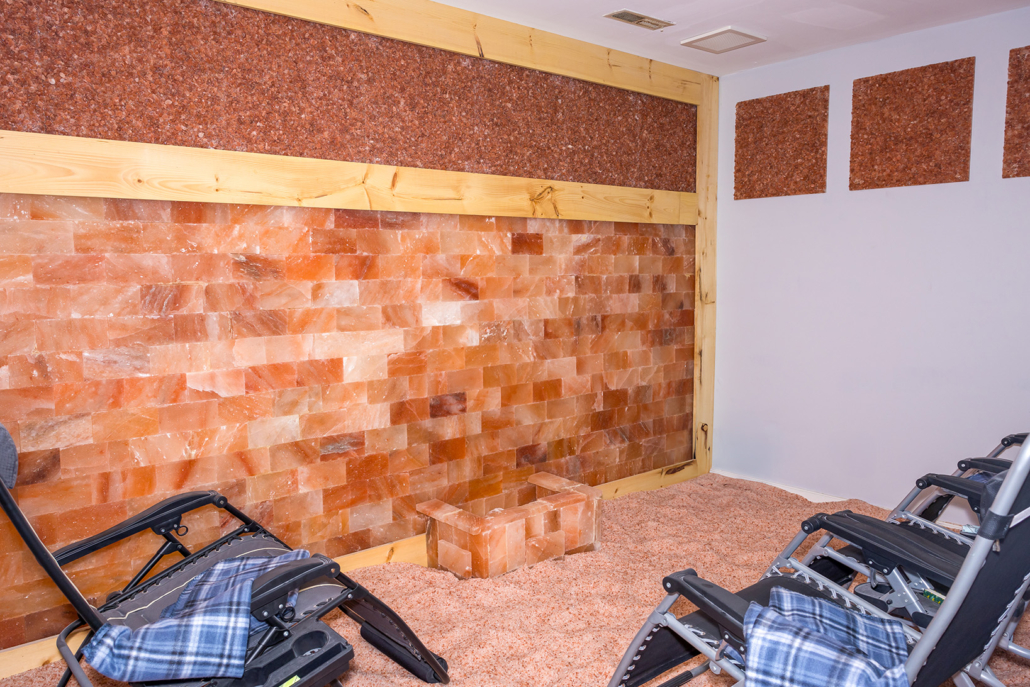
At Relax, Release, Renew Salt Cave, we believe small moments of intentional care can support a more restful rhythm. Whether you are using a favorite salt scrub at home or making time for a wellness appointment, your aftercare matters. Soft skin is a welcome result, but so is the feeling of pausing long enough to tend to yourself.
The simplest approach is often the most comforting: exfoliate gently, moisturize while skin is damp, and give your skin time to rest. When your routine leaves you feeling calm, comfortable, and cared for, you have found the right balance.



Leave a Reply
Want to join the discussion?Feel free to contribute!