
Salt Cave Session Review: What It Feels Like

Salt Cave Session Review: What It Feels Like

You can usually tell within the first few minutes whether a wellness service feels forced or genuinely calming. A good salt cave session review should answer that question honestly, because most people are not looking for hype. They want to know what the room feels like, whether the experience is relaxing, and if they may notice relief in their breathing, skin, or stress levels.

For many first-time guests, the surprise is how simple the experience is. You are not asked to push through anything intense. You settle in, breathe normally, and let the environment do the work. That gentle approach is part of the appeal, especially for busy adults who spend most of their week moving from one responsibility to the next.

A real salt cave session review for first-time guests

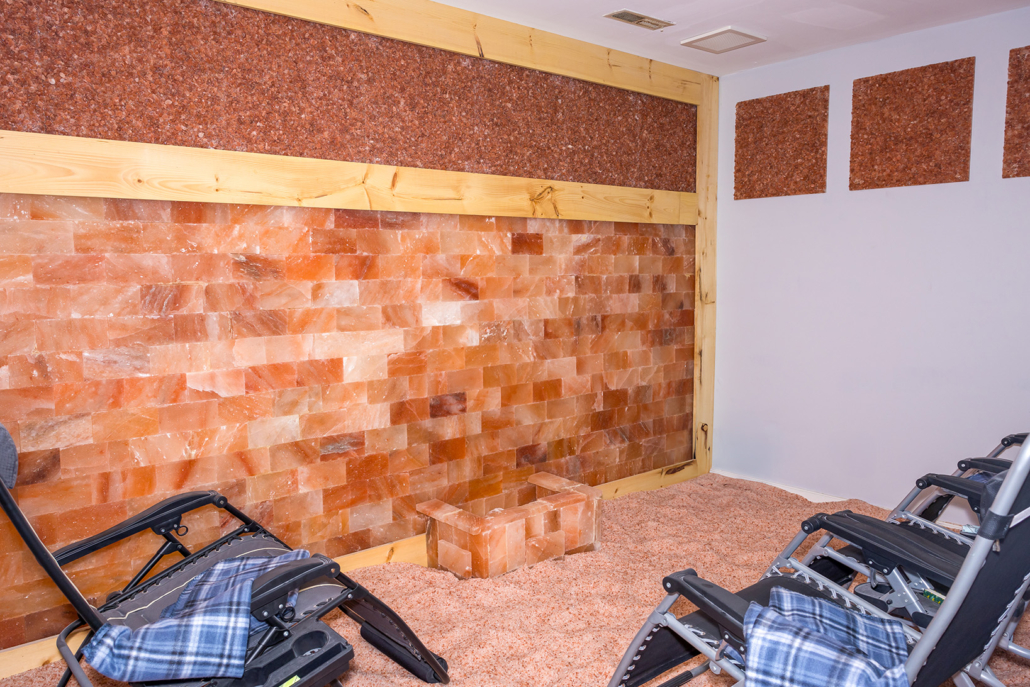
The setting matters more than people expect. If the room feels harsh, clinical, or impersonal, it can be hard to relax enough to enjoy the benefits. In a boutique salt cave space, the atmosphere is usually quiet, softly lit, and intentionally restful. That shift alone can feel therapeutic before the session even begins.

Once seated, most guests notice the stillness first. There is often a light layer of salt in the room and dry salt dispersed into the air during halotherapy. You are not doing a treatment in the active, effort-heavy sense. You are resting, breathing, and giving your body a chance to slow down.

The physical sensation is subtle. Some people notice a faint salty taste in the air or mild dryness in the nose or throat. Others feel almost nothing physical at first and simply become aware that their shoulders are dropping, their jaw is unclenching, and their mind is finally quieting down. If you are expecting a dramatic sensation, the experience may seem understated. If you are craving calm, that understatement is often exactly the point.

What a salt cave session review should tell you

A balanced review should make room for both the relaxing side of the experience and the practical reality that results vary. Some guests leave feeling clear-headed, deeply rested, and surprisingly refreshed after a single visit. Others feel the biggest difference after a few sessions, especially if they come in with ongoing sinus pressure, seasonal congestion, dry skin, or stress that has been building for a while.

That does not mean the session failed if you do not walk out feeling dramatically different. Salt therapy often fits best into a broader self-care rhythm rather than acting like a one-time fix. Think of it as supportive wellness care. For some people, the biggest benefit is respiratory comfort. For others, it is the pause – the rare chance to sit still without demands, noise, or screens.

This is also where personal preference comes in. If you love highly interactive wellness services, a salt cave session may feel quieter and less eventful than a massage or guided class. If you are worn down, overstimulated, or simply need a gentle reset, that same quiet can feel like a gift.

What the session usually feels like

Most sessions begin with a warm welcome and a few simple instructions. You get settled, get comfortable, and then the experience becomes intentionally easy. There is no special breathing pattern required for most guests, no complicated prep, and no pressure to perform wellness the right way.

During the session, many people drift into a meditative state without trying. The room encourages stillness. Some guests close their eyes the entire time. Others sit quietly and notice their breathing becoming slower and easier. If you carry tension in your chest, shoulders, or forehead, you may notice those areas softening as the session continues.

The air can feel dry, which is normal. A few people cough lightly or feel a little movement in their sinuses. That can happen as the salt-filled air interacts with the respiratory system. It is usually mild, but it is helpful to know in advance so it does not catch you off guard. Comfort is still the goal.

Afterward, the most common feedback is not dramatic language. It is simple phrases like I feel lighter, I can breathe better, or I did not realize how much I needed that. That kind of response says a lot. Wellness experiences that people return to are often the ones that create steady, noticeable comfort rather than flashy promises.

Is a salt cave session worth it?

A thoughtful salt cave session review has to answer the value question. For many guests, the answer is yes, but the reason depends on what they are hoping to get from it.

If your main goal is relaxation, the experience is often worth it for the environment alone. Quiet time in a soothing space can be hard to find, especially for caregivers, professionals, and anyone who is constantly in motion. A dedicated session gives structure to rest. That matters more than people sometimes admit.

If you are curious about respiratory support, the value can feel especially strong during allergy season, after long weeks of indoor air exposure, or when mild congestion leaves you feeling heavy and tired. Some guests also appreciate salt therapy as part of a skin-focused self-care routine, since dry salt environments may feel supportive for certain skin concerns. Still, this is one of those it depends areas. A salt cave is not a cure-all, and individual response can vary.

What often makes the experience feel worthwhile is the combination of comfort, care, and consistency. A well-run local salt cave does not rush you in and out. It helps you feel looked after. That personal touch can turn a simple session into something restorative enough to revisit.

Who may enjoy a salt cave most

People who tend to love the experience often have one thing in common – they are ready to receive quiet. That includes adults who feel overextended, those navigating seasonal sinus issues, and anyone trying to make room for more natural, non-invasive self-care.

Working professionals often appreciate salt sessions because they offer a reset without requiring a whole day off. Caregivers are drawn to the permission to pause. Wellness-minded guests enjoy having an option that supports both stress relief and physical comfort. And if you are someone who likes boutique experiences that feel personal rather than corporate, the setting can be a big part of the appeal.

Families sometimes wonder whether the session is only for people with a specific wellness concern. It is not. You do not need to arrive with a major complaint to enjoy the benefits. Sometimes the best reason to book is simply that your body and mind feel tired, and you want an hour that leaves you more settled than when you walked in.

A few honest trade-offs to consider

Not every wellness service is for every person, and salt therapy is no different. If you expect a highly visible, immediate result every time, the subtle nature of the experience may feel underwhelming. If you struggle to sit quietly, it can take a session or two to settle into the pace.

There is also the reality that consistency tends to shape results. Some guests notice benefits right away, while others feel the difference more clearly after repeat visits. That can be true for relaxation, breathing comfort, and skin support alike. Patience helps.

It is also wise to treat the experience as supportive wellness care rather than medical treatment. That mindset keeps expectations grounded and makes it easier to appreciate what the session actually offers – a calm environment, gentle halotherapy, and space to rest.

The experience is more than the room

One reason guests return to places like Relax, Release, Renew Salt Cave is that the session often feels personal from beginning to end. The environment matters, but so does the welcome, the pacing, and the sense that someone has created this space with care. That local, attentive approach can make a big difference in how restorative the visit feels.

For some people, the session becomes part of a monthly routine. For others, it is something they reach for during stressful seasons, busy work stretches, or times when their sinuses and skin need extra support. Either way, the value often grows when the experience is seen as an act of maintenance rather than a last resort.

A good salt cave session review should leave you with a realistic expectation and a little reassurance. You are not booking a miracle. You are giving yourself time in a calm, salt-filled space that may help you breathe a little easier, relax a little deeper, and step back into your week feeling more like yourself. Sometimes that is exactly the kind of relief people are searching for.

How Salt Scrubs Improve Skin Naturally

How Salt Scrubs Improve Skin Naturally

A salt scrub can feel like a small reset at the end of a long day – especially when your skin looks dull, feels rough, or just needs more care than a quick shower can give. If you have ever wondered how salt scrubs improve skin, the answer is both simple and satisfying: they help remove buildup, smooth texture, and leave your skin better prepared to absorb moisture.

That sounds straightforward, but the real benefit goes beyond softer elbows or smoother legs. Used well, a salt scrub can become part of a calming self-care ritual that helps you slow down, reconnect with your body, and give dry, tired skin the attention it has been asking for.

How Salt Scrubs Improve Skin Day to Day

The main reason salt scrubs work so well is exfoliation. As you massage a scrub onto damp skin, the salt crystals help lift away dead skin cells that naturally collect on the surface. When those dry, flaky layers are removed, skin tends to feel smoother and look fresher almost right away.

This is often most noticeable on areas like heels, knees, elbows, and the backs of arms, where skin can become rough more quickly. If lotion never seems to make much of a difference in those spots, it may not be the moisturizer that is falling short. It may be that buildup on the skin is blocking that soft, hydrated feel you are looking for.

Salt scrubs also encourage circulation through massage. While the scrub itself is doing the exfoliating, the motion of rubbing it into the skin can leave you feeling refreshed and energized. Many people love that immediate polished feeling after rinsing off – clean, smooth skin without a complicated routine.

Why Exfoliation Matters More Than People Think

When skin feels dry, the first instinct is usually to add more moisture. Sometimes that helps, and sometimes it does not. If dead skin cells are sitting on the surface, body oils and creams may not absorb as evenly as you want them to.

Exfoliation helps clear that layer away so your follow-up body butter, cream, or oil can sit closer to healthy skin rather than dry buildup. That does not mean you need to scrub aggressively or use a product every day. In fact, gentle use is usually what brings the best results.

There is also a visual difference. Exfoliated skin often reflects light better, which can make it appear brighter and more even in tone. It will not change your skin overnight in a dramatic way, but it can help your skin look more awake, polished, and cared for.

The Skin Benefits of Salt Beyond Smoothing

When people ask how salt scrubs improve skin, they are often thinking about texture first. That is fair – smoother skin is the most obvious result. But salt-based scrubs can offer a few other welcome benefits too.

Salt is naturally rich in minerals, and many people enjoy the way it leaves skin feeling clarified and refreshed. In a scrub formula blended with nourishing oils, you get that exfoliating action along with a conditioning effect. The result can be skin that feels clean but not stripped, soft but not greasy.

For people who deal with seasonal dryness, rough patches, or skin that feels tired after sun, shaving, or weather changes, this balance matters. A scrub should not leave your skin feeling raw. It should help it feel renewed.

Salt Scrubs vs. Sugar Scrubs

Both salt and sugar scrubs can be helpful, but they are not exactly the same. Salt is typically a bit more invigorating, which makes it a strong option for rougher areas of the body. If your main goal is smoothing dry patches on feet, knees, elbows, or legs, a salt scrub may give you the more noticeable result.

Sugar tends to dissolve faster and can feel gentler, so some people prefer it for more sensitive skin. That does not mean salt scrubs are too harsh for everyone. It simply means the right choice depends on your skin and how you plan to use it.

For body care, many adults find salt scrubs especially satisfying because they deliver that fresh, polished feeling after one use. If your skin is sensitive or reactive, you may want to start with a small area and lighter pressure to see how your skin responds.

How to Use a Salt Scrub Without Overdoing It

A good salt scrub should feel supportive, not abrasive. The best time to use one is usually during a shower or bath, when skin has had a few minutes to soften with warm water. Scoop a small amount into your hands and gently massage it over damp skin in circular motions.

You do not need to press hard. Let the texture of the scrub do the work. Focus on rough spots, then rinse thoroughly and pat skin dry. Applying moisturizer afterward can help lock in that freshly smoothed feeling.

For most people, using a salt scrub one to three times a week is enough. It depends on your skin type, the season, and the formula itself. In winter, you may benefit from regular exfoliation followed by richer moisture. In warmer months, you may use it to keep skin smooth and glowing, especially before sandals, vacations, or special events.

When Salt Scrubs May Not Be the Right Fit

There are times when it is better to skip exfoliation. If your skin is sunburned, freshly shaved, broken, irritated, or dealing with an active rash, a salt scrub may sting and make things worse. Sensitive skin does not always mean you cannot use one, but it does mean you should be more selective and gentle.

It also helps to pay attention to fragrance and essential oils if your skin tends to react easily. A beautifully scented scrub can feel luxurious, but comfort comes first. If you are ever unsure, patch testing is a smart place to start.

This is one of those areas where more is not better. Scrubbing too often can leave skin feeling tight or overworked, especially if you are also using strong soaps or hot water. The goal is renewal, not irritation.

Making Salt Scrubs Part of a Calming Routine

One of the loveliest things about a salt scrub is that it turns a basic shower into a more intentional experience. The texture, scent, and ritual of taking a few extra minutes for your skin can feel grounding in a way that is hard to explain until you try it.

That is part of why salt-based self-care fits so naturally into a wellness routine. It supports the skin in a visible way, but it also creates a small pause in the day. For busy professionals, caregivers, and anyone carrying stress in their body, that pause matters.

At Relax, Release, Renew Salt Cave, that idea of caring for yourself gently and consistently is at the heart of the experience. Whether self-care happens in a peaceful wellness setting or in your own bathroom at home, the goal is the same – helping you feel a little more restored in your skin.

What Results Can You Realistically Expect?

A salt scrub can leave skin softer after the first use, and that immediate payoff is part of the appeal. Over time, consistent use may help rough areas stay smoother and make moisturizers work better as part of your routine.

What it will not do is solve every skin concern on its own. If you are dealing with persistent irritation, severe dryness, or a skin condition, exfoliation is only one piece of the picture. You may need a gentler approach, a different product, or guidance from a skincare professional.

Still, for everyday body care, salt scrubs are one of the simplest ways to help skin feel refreshed, polished, and better cared for without adding much time to your routine.

A Softer Approach to Better Skin

Healthy-looking skin does not always come from doing more. Sometimes it comes from doing one simple thing consistently and doing it with care. If your skin has been feeling dull, dry, or uneven, a well-made salt scrub can be a comforting place to start – not as a harsh fix, but as a gentle reminder that a little renewal can go a long way.

Can Salt Caves Help Breathing?

Can Salt Caves Help Breathing?

When your chest feels tight, your sinuses are stubborn, or every breath feels a little less easy than it should, you start paying attention to anything that might bring relief. That is often where the question begins: can salt caves help breathing? For many people, the answer is that they can feel supportive, soothing, and worth trying – especially when breathing discomfort is tied to dryness, seasonal irritation, mild congestion, or the simple need to relax.

Can salt caves help breathing in a meaningful way?

Salt caves are commonly used as part of halotherapy, a wellness practice that exposes you to fine salt particles in a calm, controlled space. During a session, you relax in a reclining chair while a halogenerator disperses dry salt into the air. The experience is quiet, gentle, and designed to support both respiratory comfort and stress relief.

The reason people connect salt caves with breathing support is fairly straightforward. Dry salt is believed to help thin mucus, draw out moisture from congested airways, and create an environment that feels cleaner and easier to breathe in. Many guests say they notice a clearer nose, less throat irritation, or a lighter feeling in the chest after a session. Others simply find that the deep relaxation of sitting still in a peaceful room helps them breathe more slowly and comfortably.

That said, results are personal. Some people feel a difference after one visit, while others notice more benefit with repeated sessions over time. And for some, the main value is not dramatic respiratory change but the combination of calmer breathing, a restful mind, and an overall sense of reset.

How salt therapy may support easier breathing

Breathing issues are not all the same, so the effect of a salt cave can depend on what is causing the discomfort in the first place. If you are dealing with dry indoor air, lingering sinus stuffiness, seasonal allergens, or mild irritation, halotherapy may feel especially comforting. The dry salt environment can be appealing to people who want a natural-feeling wellness option that does not involve a complicated routine.

Many guests seek salt therapy because they feel congested but not necessarily sick enough to want a more clinical solution. They may be talking all day for work, sleeping with a fan on, recovering from seasonal changes, or dealing with dusty air and pollen. In those situations, a salt session can feel like a pause for the respiratory system. It is not about forcing the body. It is about creating a space where breathing may feel less irritated and more open.

There is also a stress piece that matters more than people expect. When you are tense, your breathing often becomes shallow. Your shoulders creep up, your jaw tightens, and your body stays on alert. A salt cave session encourages stillness. That calm can soften the whole breathing pattern, which may be part of why some people walk out feeling noticeably better.

What a session feels like

If you have never tried halotherapy before, the idea can sound more mysterious than it really is. Most sessions are simple. You enter a softly lit room, settle into a comfortable chair, and breathe normally while dry salt circulates through the air. Some guests read or meditate, but many do best when they simply rest.

The room itself plays a role. A true salt cave setting is meant to feel peaceful, not rushed. That atmosphere matters, especially for people who are carrying both physical tension and mental overload. At Relax, Release, Renew Salt Cave, the experience is designed to feel nurturing from the moment you arrive, which is part of what makes the session beneficial beyond the salt alone.

During or after a session, you might notice a dry taste in your mouth, a little drainage, a few more coughs than usual, or a clearer nose. These responses can happen as the airways react to the salt environment. Not everyone has them, and they are usually mild. Many people leave feeling refreshed, quieted, and more comfortable in their breathing.

Can salt caves help breathing for everyone?

Not always. This is where a little honesty is helpful.

Salt therapy is a wellness service, not a cure-all. If someone has severe asthma, an active infection, significant shortness of breath, or a serious respiratory condition, a salt cave is not a replacement for medical care. Anyone with ongoing or worsening breathing concerns should talk with a licensed healthcare provider first.

Even among generally healthy adults, the experience can vary. Some people feel noticeable relief from sinus pressure and congestion. Others mainly enjoy the relaxation and sleep better afterward. A few may not feel much respiratory difference at all, especially after just one session.

That does not make the experience ineffective. It simply means wellness is personal. The same way one person loves massage for tension and another prefers a sauna, salt therapy tends to be one of those supportive practices that fits some bodies and routines better than others.

When salt therapy may be worth trying

If your breathing feels affected by everyday factors rather than a major medical issue, a salt cave may be a gentle place to start. It can be especially appealing during allergy season, when indoor heating dries you out, or when life has left you feeling run down and overextended.

People often book sessions when they are dealing with sinus pressure, post-nasal drip, dry throat irritation, mild congestion, or general respiratory heaviness. It can also be a good fit for those who want to pair breathing support with emotional reset. Caregivers, busy professionals, and anyone carrying a full schedule often need both.

That combination is part of what makes halotherapy so appealing. You are not choosing between wellness support and relaxation. You are getting an experience that can offer both at once.

What to keep in mind before your visit

Come in with realistic expectations. A salt cave is best approached as a supportive self-care service, not an overnight fix. If your goal is to feel calmer, breathe a little easier, and give your body a restorative pause, you are more likely to appreciate what the session offers.

Dress comfortably and arrive ready to unplug. The more you let yourself settle in, the more beneficial the session may feel. Hydrating before and after can also help, since dry salt therapy can leave the mouth and throat feeling dry.

Consistency may matter too. Some guests enjoy a single session now and then, while others prefer regular visits during times when allergies, stress, or sinus issues flare up. If you are trying halotherapy for breathing support, giving it more than one session can provide a clearer sense of whether it works well for you.

Why the environment matters as much as the salt

Not every wellness experience feels personal, and that can make a difference. For many people, the best part of a salt cave is not just what is in the air. It is the feeling of being cared for in a space that slows everything down.

A peaceful room, a warm welcome, and time set aside just for your own well-being can shift how your whole body responds. When you feel safe and relaxed, breathing often follows. That is one reason people return. They are not only chasing symptom relief. They are looking for a place where relief feels possible.

If you have been wondering whether salt caves are worth trying, the most honest answer is this: they may help breathing for some people, especially when congestion, dryness, stress, and seasonal irritation are part of the picture. And even when the effect is subtle, the chance to rest, reset, and care for yourself can still be deeply worthwhile.

Sometimes feeling better starts with giving your body a quieter place to breathe.

7 Best Treatments for Dry Skin That Help

7 Best Treatments for Dry Skin That Help

Dry skin has a way of showing up at the worst times – after a hot shower, during a stressful week, or right when the weather turns cold and your skin suddenly feels tight, flaky, and uncomfortable. If you have been looking for the best treatments for dry skin, the good news is that relief usually comes from a few simple changes done consistently, not a complicated 10-step routine.

For most people, dry skin is not just about appearance. It can feel itchy, rough, sensitive, and sometimes even a little raw. The right treatment depends on what is causing the dryness in the first place. Seasonal weather, over-cleansing, indoor heat, aging skin, and certain products can all play a role. That is why the most effective approach is usually a combination of protecting the skin barrier, adding back moisture, and choosing soothing care that feels good enough to stick with.

Best treatments for dry skin start with a gentler routine

One of the biggest reasons dry skin lingers is that people keep trying to scrub it away. It makes sense on the surface – if skin looks flaky, exfoliation seems like the answer. But when your skin is already dry, harsh cleansers, frequent exfoliating acids, and rough scrubs can make things worse by stripping away the oils your skin is trying to hold onto.

A gentler routine often works better. Wash with lukewarm, not hot, water. Use a mild cleanser that does not leave your skin feeling squeaky or tight. Then moisturize while your skin is still slightly damp. That last step matters because it helps seal in the water that is already on the skin.

If your current routine leaves your face or body stinging, that is useful information. Dry skin often responds better to fewer products, less fragrance, and more consistency.

Moisturizers matter more than most people think

When people ask about the best treatments for dry skin, a good moisturizer is usually the first place to start. Not all moisturizers do the same job, though. Lightweight lotions can feel pleasant, but they may not be enough if your skin is very dry or compromised.

Creams and balms tend to offer more support because they create a stronger seal over the skin. Ingredients like ceramides, glycerin, hyaluronic acid, shea butter, and petrolatum can all help, but the texture you will actually use every day matters just as much as the ingredient list.

For daytime, many people prefer a cream that absorbs well and layers comfortably under clothing or makeup. At night, a richer formula can be more helpful because it has time to sit on the skin longer. On areas like hands, elbows, knees, and heels, thicker ointments often do the most work.

There is a trade-off here. Richer products usually perform better for severe dryness, but they can feel heavy. If you dislike that texture, you may be more likely to skip it. A moisturizer you use consistently is better than a perfect one that stays unopened.

Exfoliation can help dry skin, but only in the right way

Dry skin often looks dull because dead skin cells build up on the surface. That can make even expensive moisturizers seem ineffective, since they are sitting on top of rough skin instead of sinking in where they are needed. Gentle exfoliation can help, but the word gentle is doing a lot of work here.

For some people, a soft washcloth once or twice a week is enough. Others do well with a mild lactic acid or enzyme-based product that loosens flakes without aggressive scrubbing. If your skin burns, turns red, or feels tighter afterward, that treatment is probably too much.

Salt-based body care can also play a role when it is thoughtfully formulated and used with a light hand. On the body, a soothing scrub can help lift away rough patches while leaving skin softer and smoother. The key is moderation. Overdoing any scrub, even a beautiful one, can leave dry skin more irritated than before.

Humidity and hydration both make a difference

A lot of dry skin care happens outside the bathroom. Indoor heating, air conditioning, long hot showers, and low humidity can quietly pull moisture from the skin all day. If your skin gets worse every winter, the environment may be as much of the issue as the products you are using.

Using a humidifier at home, especially in the bedroom, can help support the skin overnight. Shorter showers and warm water instead of hot can also make a noticeable difference within a week or two. Drinking enough water will not fix dry skin on its own, but dehydration can make skin feel less comfortable overall, so it still helps to pay attention to your daily intake.

This is one of those areas where small habits add up. None of these changes feels dramatic in one day, but together they can be the difference between skin that is always struggling and skin that feels calmer.

Soothing treatments for very dry or irritated skin

Sometimes dry skin needs more than a basic lotion. If your skin feels inflamed, itchy, or sensitive, barrier-repair treatments can be especially helpful. These are products designed to support the outer layer of skin so it can hold moisture better and react less.

Look for formulas made for sensitive skin and avoid layering too many active ingredients at once. Retinol, acne treatments, strong exfoliants, and heavily fragranced products can all be too much when your skin is in a dry, reactive state. Pulling back for a couple of weeks and focusing on simple, nourishing care can help reset things.

For body dryness, an overnight treatment can work well. Apply a rich cream or balm before bed, then wear soft cotton clothing to help it stay in place. Hands and feet often respond especially well to this approach.

If your skin is cracked, painful, or not improving, it may be time to check in with a dermatologist. Sometimes what looks like simple dryness is actually eczema, dermatitis, or another skin condition that needs a different kind of support.

Stress relief can support healthier-looking skin

Dry skin is often treated as a surface problem, but stress has a way of showing up everywhere, including your skin. When you are run down, sleeping poorly, or constantly in recovery mode, your skin may look duller and feel more reactive.

That is part of why calming self-care can be so valuable. Treatments that help you slow down, breathe deeply, and step out of the rush of daily life may not replace moisturizer, but they can support the bigger picture of wellness. Restorative experiences, gentle body care, and time set aside to truly relax can help you feel better in your skin in more ways than one.

For many people in the Richmond area, that is where boutique wellness services feel especially meaningful. A peaceful setting, personalized care, and skin-focused self-care can turn a basic maintenance routine into something that feels renewing instead of one more task on the list. At Relax, Release, Renew Salt Cave, that combination of comfort and care is part of what makes self-care easier to return to.

The best treatments for dry skin depend on where it shows up

Not all dry skin behaves the same way. Facial dryness tends to need a more delicate approach because the skin is thinner and often more reactive. Body dryness can usually tolerate richer products and occasional exfoliation. Hands are exposed to soap and water so often that they need frequent reapplication of cream. Feet and heels usually need the heaviest treatment of all.

That is why it helps to match the treatment to the area. A thick balm that works wonders on cracked heels may feel far too greasy on the face. A lightweight facial moisturizer may not do nearly enough for dry legs in the winter. You do not always need more products, but you may need the right product in the right place.

When to change your approach

If your skin stays dry no matter what you use, it is worth looking at patterns. Does it flare in winter, after shaving, after using certain soaps, or when you travel? Does it improve when you simplify your routine? Does it come with redness or itching?

Those details can tell you whether your skin needs richer moisture, less exfoliation, fewer irritating ingredients, or a professional opinion. Dry skin is common, but persistent dryness is still worth paying attention to.

The kindest approach is usually the most effective one. Protect your skin barrier, choose moisture-rich products you will actually use, and give your skin a little more patience than pressure. Soft, comfortable skin rarely comes from doing more. More often, it comes from doing the right things gently and doing them often enough to let your skin finally exhale.

A good dry skin routine should feel like relief, not work, and that is often when real improvement begins.

How to Prepare for Halotherapy

How to Prepare for Halotherapy

If you have a halotherapy session on the calendar, a little preparation can help you settle in faster and enjoy the experience more fully. Knowing how to prepare for halotherapy takes some of the guesswork out of your visit, especially if this is your first time stepping into a salt cave or trying an express session.

Most people do not need to do anything complicated before salt therapy. The goal is simply to arrive comfortable, hydrated, and ready to relax. A few thoughtful choices before your session can make the environment feel even more soothing and help you focus on what you came for – a quiet reset for your body and mind.

How to Prepare for Halotherapy Before You Arrive

The best way to prepare starts a few hours before your appointment. Wear comfortable clothing that allows you to sit back and breathe easily. Soft layers are usually a good choice because some people prefer a slightly cooler room while they relax. If you tend to get chilly when you sit still, bringing or wearing an extra light layer can make a difference.

It also helps to avoid heavy fragrances right before your session. Salt therapy spaces are meant to feel calm and clean, and strong perfume or heavily scented lotions can be distracting for you and for others sharing the room. Unscented or lightly scented products are usually the better choice on the day of your visit.

Hydration matters more than many first-time guests expect. Drinking water before and after your session can help you stay comfortable, especially because dry salt air may leave your throat feeling a little dry. You do not need to overdo it, but showing up already hydrated is a simple way to support the experience.

If you are coming in from work, errands, or school pickup, try to give yourself a little buffer instead of rushing through the door. A salt session often feels best when your nervous system has a moment to slow down. Arriving a few minutes early gives you time to check in, use the restroom if needed, and ease into a more peaceful frame of mind.

What to Wear to a Salt Therapy Session

For most sessions, comfort comes first. Loose-fitting clothes, leggings, joggers, sweaters, and other easy layers are all common choices. There is no need to dress up, and there is also no need for special workout gear unless your provider has shared different instructions for a specific service.

You may also want to think practically about your skin and hair. Salt can settle lightly on clothing and exposed areas, which is perfectly normal. Many guests like to keep their look simple and skip fresh blowouts or detailed styling before a session. If your appointment is part of a self-care day, this is one of those times when relaxed and low-maintenance usually works best.

Footwear depends on the setting. Some salt caves ask guests to remove shoes or wear shoe covers to help keep the space clean. If that is the case, socks are a nice option if you want an added layer of comfort. If you are unsure, checking the location’s instructions before you come in can help you feel prepared.

Should You Wear Makeup or Skincare?

You can, but less is often more. Lightweight skincare is fine for most people, while heavy creams or strong active products may feel unnecessary right before a dry salt session. If you are visiting partly for skin-focused self-care, arriving with a clean face can feel refreshing, though it is not usually a requirement.

Makeup is a personal choice. Some guests come straight from their day and keep it on. Others prefer a more natural, pared-back approach. Either way, comfort should guide the decision.

What to Eat and Drink Before Halotherapy

A light meal or snack before your appointment is usually a smart idea. You probably do not want to arrive overly full, but you also do not want to sit through a relaxing session while distracted by hunger. Something simple and balanced tends to work well.

It is also wise to go easy on anything that makes you feel sluggish, bloated, or thirsty. Very salty meals right beforehand can leave you wanting more water, and alcohol is best saved for another time. Since halotherapy is often part of a wellness routine, many guests find that the session feels better when they come in feeling steady and clear rather than weighed down.

If caffeine affects your ability to relax, consider the timing of your coffee or energy drink. Some people can enjoy a salt cave session no matter what they had earlier in the day. Others notice that too much caffeine makes it harder to settle into the quiet. This is one of those places where it really depends on your body.

How to Prepare for Halotherapy if You Have Congestion or Sensitive Airways

Many people book halotherapy because they are looking for support with seasonal discomfort, sinus pressure, or that heavy, stuffy feeling that lingers longer than they would like. If that sounds familiar, it helps to know that you may notice mild throat tickling, coughing, or a sense of movement in your airways during or after a session. That does not happen to everyone, but it can be a normal response.

Because of that, going in with realistic expectations is helpful. Halotherapy is not about forcing a dramatic reaction. Often, the experience is more subtle – easier breathing, a feeling of openness, or simply the chance to sit still in a calming environment that supports overall wellness.

If you have a serious respiratory condition, are actively sick, or are unsure whether a session is a good fit for you, it is always best to check with your healthcare provider first. Wellness services can be a lovely complement to your routine, but personal health needs come first.

Should You Take Medication Before Your Session?

Follow the guidance you normally use from your healthcare provider. In general, salt therapy should not replace prescribed care, and this is not the time to experiment by skipping something important. If you use inhalers or other respiratory support, bring what you normally keep with you.

What to Expect Once You Get There

For many guests, the biggest surprise is how simple the visit feels. After check-in, you are usually shown into the salt room or treatment space and invited to get comfortable. The setting may include reclining chairs, soft lighting, calming music, and a quiet atmosphere designed to help you fully exhale.

You do not need to perform or do anything special during the session. Most people simply sit back, breathe normally, and let themselves rest. Some close their eyes. Some meditate. Some just enjoy a rare stretch of uninterrupted quiet.

If you are visiting a boutique wellness space like Relax, Release, Renew Salt Cave, that personal welcome can make first-time nerves melt away quickly. A warm environment and clear guidance often matter just as much as the session itself, especially when you are trying something new.

Small Ways to Make the Most of Your Session

Try to treat your appointment as protected time rather than one more errand in a packed day. Silencing your phone, setting aside mental to-do lists, and giving yourself permission to be still can change the whole feel of the experience.

It can also help to notice what your body needs afterward. Some guests feel energized. Others feel deeply relaxed and want a slower pace for the rest of the day. If possible, avoid booking yourself into a stressful obligation immediately after your session. Leaving a little breathing room can help the calm last longer.

If you enjoy the session, consistency may matter more than expecting everything from a single visit. Some people feel a shift right away, while others notice benefits over time as halotherapy becomes part of a broader self-care rhythm. That is especially true when stress, dryness, or congestion has been building for a while.

A Gentle Note for First-Time Guests

If you are new to salt therapy, you do not need to arrive knowing all the right questions or all the wellness vocabulary. You just need to come as you are. The best preparation is often the simplest: wear something comfortable, drink some water, arrive with a few extra minutes, and let yourself receive the experience.

Self-care does not have to be complicated to be meaningful. Sometimes it looks like one quiet session, one deeper breath, and one hour set aside just for your own renewal.

Salt Cave vs Sauna: Which Feels Better?

Salt Cave vs Sauna: Which Feels Better?

Some days, your body does not ask for a workout or another errand. It asks for relief. If you have been weighing salt cave vs sauna, the better choice often comes down to what kind of reset you need most – easier breathing, deep warmth, quiet rest, or a little of each.

Both experiences can feel restorative, but they work in very different ways. A sauna surrounds you with heat that encourages sweating and a loosened-up, full-body exhale. A salt cave offers a calm, dry environment where microscopic salt particles are dispersed into the air, creating a gentle session that many people choose for respiratory comfort, relaxation, and skin support.

For wellness-minded adults around Mechanicsville and the greater Richmond area, this is usually not a question of which one is “better” across the board. It is more personal than that. The right fit depends on your comfort level, your goals, and how you want to feel when the session is over.

Salt cave vs sauna: the core difference

The biggest difference in salt cave vs sauna is the environment itself. A sauna is heat-based. You sit in a hot room, often with dry or humid heat depending on the style, and your body responds by warming up, sweating, and relaxing into that intensity.

A salt cave is not built around heat. It is built around stillness, comfort, and dry salt-infused air. Instead of pushing your body into a high-heat experience, it invites you to settle in. Many guests describe it as a quieter kind of wellness support – less intense, more soothing, and easier to enjoy if you do not love high temperatures.

That difference matters more than it may seem at first. Some people leave a sauna feeling recharged and physically loose. Others leave feeling overheated, tired, or simply relieved to be back in normal air. In a salt cave, the experience is usually gentler from beginning to end.

When a salt cave may be the better fit

If your main goal is breathing comfort, a salt cave often makes more sense than a sauna. Dry salt therapy is especially appealing to people who deal with seasonal irritation, sinus congestion, or that heavy, stuffy feeling that lingers when the air around you feels unhelpful. The environment is calm and easy to sit in, which can be a relief all by itself.

This option also tends to feel approachable for people who are new to wellness services. You do not have to tolerate intense heat. You do not need to worry about whether you can stay in long enough to get the benefit. You simply settle into a peaceful session and let your body rest.

Skin can be part of the equation too. While a sauna may leave some people with that fresh, post-sweat glow, heat can also feel drying or irritating depending on your skin type. A salt cave appeals to many guests who want skin-focused self-care in a less aggressive setting, especially when paired with moisturizing body care afterward.

For stress relief, a salt cave has its own kind of value. The atmosphere is quiet, the pace is slow, and the expectation is not to push through discomfort. If your nervous system feels worn down, that softer experience may be exactly what helps you reset.

When a sauna may be the better fit

A sauna can be wonderful if what you crave is heat. There is a reason so many people associate it with releasing tension. Warmth can help your muscles feel looser and your body feel lighter, especially after exercise, long workdays, or too much time sitting.

For some guests, sweating feels satisfying. It creates the sense that the body is actively working through stress and heaviness. If you enjoy that feeling of full-body warmth and do well in hot environments, a sauna may feel invigorating in a way a salt cave does not aim to replicate.

That said, heat is not automatically a positive for everyone. If you are already drained, prone to overheating, or sensitive to stuffy warmth, a sauna can feel like too much. What sounds relaxing in theory may feel physically demanding in practice.

Salt cave vs sauna for stress relief

Stress relief is one of the main reasons people book both experiences, but the kind of relief they offer is different. A sauna tends to provide active physical release. Your body warms up, muscles soften, and you step out feeling like you have shed a layer of tension.

A salt cave is often more about settling the mind and body at the same time. The room is designed for stillness. There is no pressure to endure anything. For caregivers, busy professionals, and anyone who spends most of the day responding to other people, that can feel deeply restorative.

If your stress shows up as tight shoulders, exercise soreness, or a need to physically warm up, the sauna may be the natural choice. If your stress shows up as mental fatigue, irritability, shallow breathing, or the feeling that you never quite get a real pause, the salt cave may meet you more gently.

Which is more comfortable?

Comfort matters more than wellness trends sometimes admit. The experience that helps one person unwind may make another person count the minutes until it is over.

A sauna asks you to be comfortable with heat, and sometimes a lot of it. If you love that cocooned feeling, wonderful. If you do not, it can become a barrier to enjoying the session at all.

A salt cave is usually easier for a wider range of people to enjoy. The environment is calm, quiet, and not physically intense. That can make it especially appealing if you are trying a new self-care service for the first time or want something you can return to regularly without dreading the process.

This is one reason many guests gravitate toward halotherapy as part of an ongoing wellness routine. It feels manageable. It feels peaceful. And for many people, consistency is easier when the experience itself is inviting.

Can you choose both?

You can, depending on your preferences and overall wellness routine. Some people enjoy sauna sessions for muscle relaxation and choose salt therapy when they want respiratory support or a quieter reset. The two experiences are not direct substitutes in every case.

Still, if you are choosing where to start, it helps to be honest about what your body has been asking for lately. If you feel tense, chilled, or sore, heat may sound appealing. If you feel depleted, congested, overstimulated, or simply in need of stillness, a salt cave may be the more comforting first step.

Salt cave vs sauna for everyday wellness

For everyday wellness, the best choice is often the one you will actually look forward to booking again. This is where personal preference becomes practical. An experience does not need to be dramatic to be effective. Sometimes the service that supports you most is the one that fits easily into real life.

A boutique salt cave experience can be especially meaningful for people who want wellness to feel personal rather than clinical. Instead of pushing through heat or chasing intensity, you are giving yourself a quieter kind of care. That approach resonates with many people who are balancing work, family, and the steady pace of daily responsibilities.

At Relax, Release, Renew Salt Cave, that sense of care is part of the experience. The goal is not to overwhelm you with complicated wellness language. It is to offer a space where you can breathe, rest, and leave feeling more like yourself.

How to decide what is right for you

Ask yourself a few simple questions. Do you enjoy heat, or do you usually avoid it? Are you hoping for muscle-focused relaxation, or are you more interested in respiratory comfort and calm? Do you want a more intense physical experience, or something gentle enough to feel restorative from the moment you settle in?

There is no wrong answer here. Wellness is personal, and the best results often come from choosing what feels supportive to your body, not what sounds impressive on paper. A sauna can be powerful in the right moment. A salt cave can be exactly the kind of relief a busy, overstimulated person has been missing.

If you are torn between the two, start with the experience that feels easiest to say yes to. The best self-care is often the kind that welcomes you in, helps you exhale, and gives your body room to soften.

How Halotherapy Supports Better Breathing

How Halotherapy Supports Better Breathing

Breathing feels personal when it is not coming easily. A stuffy nose that lingers, that heavy feeling in your chest during allergy season, or the irritation that follows dry indoor air can make an ordinary day feel harder than it should. That is why so many people are curious about how halotherapy supports better breathing – not as a harsh fix, but as a gentle wellness practice that helps them feel clearer, calmer, and more comfortable.

Halotherapy, often called salt therapy, is a relaxing session in a space designed to disperse fine dry salt particles into the air. As you sit back and rest, those microscopic salt particles are inhaled through the nose and mouth. The experience is quiet and soothing, but the appeal goes beyond relaxation. Many people seek it out because they want support for congestion, seasonal irritation, and that frustrating sense of not being able to take a full, easy breath.

How halotherapy supports better breathing in everyday life

At its simplest, halotherapy is about creating a cleaner-feeling breathing environment. Dry salt is known for properties that many people associate with cleansing and freshness, which is part of why salt rooms feel different from ordinary indoor spaces. During a session, the fine salt particles may help loosen mucus, reduce that heavy congested feeling, and support clearer airways.

For someone dealing with mild sinus pressure or a lingering blocked-up feeling, that can translate into a noticeable sense of relief. It is not always dramatic, and it is not the same for every guest. Some people leave a session feeling much more open right away, while others notice the benefits more gradually after repeated visits.

That steady, cumulative effect is one reason regular sessions appeal to wellness-minded clients. Better breathing is not only about what happens in one hour. It is also about giving your body a recurring chance to reset in an environment that feels supportive instead of overstimulating.

Why dry salt is used for respiratory comfort

The type of salt used in halotherapy matters. This is not humid steam with salt mixed in. It is a dry process that disperses very fine particles into the air, allowing them to travel through the upper respiratory system more easily. That dry format is part of what makes the experience distinct.

When people are feeling congested, moisture is not always the only answer. Sometimes the issue is irritation, buildup, or stagnant mucus that needs help moving out. Dry salt sessions are often chosen because they can feel light rather than heavy. Guests frequently describe the experience as breathing in cleaner air, especially during times of year when pollen, dust, or indoor heat leave them feeling irritated.

There is also the setting itself. A dedicated salt cave or halotherapy room invites stillness. You are not rushing through another task or trying to multitask your self-care. You are sitting in a calm, supportive space where your body can relax, and that matters more than people sometimes realize.

Relaxation plays a bigger role than many people expect

Breathing is not only physical. Stress can change it quickly. When you are tense, your breathing often becomes shallow, tight, or uneven. Your shoulders lift. Your chest feels restricted. Even if congestion is mild, stress can make it feel worse.

This is another way halotherapy supports better breathing. The environment encourages your nervous system to settle. In a peaceful salt room, many guests naturally begin to slow their breathing, soften muscle tension, and stop bracing against the day. That shift can make each breath feel fuller and easier.

For busy professionals, caregivers, and anyone carrying a lot mentally, this can be a meaningful part of the experience. Respiratory comfort and emotional relief often show up together. You come in hoping to feel less stuffy, and you leave realizing your whole body had been asking for rest.

What people often notice after a session

Most people do not walk into a salt session expecting something intense. The appeal is that it feels gentle and approachable. During or after a session, guests often notice their nose feels clearer, their breathing feels less restricted, or they are coughing up mucus more easily. Some simply say they feel lighter in their chest.

There can be a range of responses. A person dealing with seasonal congestion may feel immediate relief. Someone with long-standing irritation may need more consistent visits before they notice a pattern. A few people experience temporary throat tickling or increased drainage after a session, which can be part of the body clearing things out.

That is where realistic expectations matter. Halotherapy is a wellness service, not a one-size-fits-all answer. It can be a comforting part of a broader self-care routine, especially for people who want non-invasive support for everyday breathing discomfort.

Who may be drawn to halotherapy for breathing support

People usually try halotherapy because something in daily life is making breathing feel less comfortable than it should. That might be seasonal allergies, dry indoor air, mild sinus congestion, environmental irritants, or a desire to support overall respiratory wellness in a natural-feeling way.

It also attracts people who want relief without adding another demanding step to their routine. A salt session does not require effort from you. You arrive, get comfortable, and let the environment do the work while you rest. For many guests, that simplicity is part of the value.

In a boutique setting like Relax, Release, Renew Salt Cave, there is also the benefit of personal attention. That can make a big difference for first-time visitors who are curious but unsure. A warm welcome and a calming room often help people settle in faster, which supports the overall experience.

When consistency makes the biggest difference

One salt session can feel refreshing, but regular visits are often where people notice the most meaningful changes. Just as one good night of sleep helps but does not replace an ongoing bedtime routine, halotherapy tends to work best when it becomes part of your wellness rhythm.

If your breathing tends to feel worse during certain seasons, scheduling sessions proactively may be more helpful than waiting until you feel miserable. If indoor heating dries you out every winter, steady support during colder months may feel more beneficial than an occasional visit. And if stress tightens your chest and makes you feel like you can never fully exhale, the combined effect of relaxation and salt exposure may be most noticeable over time.

That does not mean every person needs the same schedule. It depends on your goals, your sensitivity to seasonal triggers, and how your body responds. Some guests love a weekly reset, while others find that a few sessions each month fit their needs well.

A wellness option that fits naturally into self-care

One reason halotherapy continues to grow in popularity is that it fits easily alongside other forms of self-care. It does not need to compete with your routines. It can complement them.

If you already value hydration, rest, skincare, stress relief, and moments of quiet, salt therapy feels like a natural extension of that mindset. It offers support that is both physical and emotional. You are caring for your breathing, but you are also stepping out of the noise for a while.

That combination matters. People are often not looking for one narrow benefit. They want to feel better in a more complete way. Clearer breathing, less tension, a calmer mind, and a sense of being cared for all contribute to the experience.

What to keep in mind before you book

If you are new to halotherapy, it helps to approach your first session with curiosity rather than pressure. Wear comfortable clothing, arrive ready to relax, and give yourself permission to simply be still. You do not need to force deep breathing or make the session into work.

It is also wise to remember that wellness experiences are personal. If your breathing concerns are significant or tied to a medical condition, halotherapy should be viewed as supportive rather than as a replacement for medical care. Many guests appreciate it most when they think of it as one gentle tool in a larger approach to feeling well.

For everyday congestion, stress-related tightness, and that worn-down feeling that comes from breathing around irritation instead of through ease, salt therapy offers something simple and comforting. Sometimes the body responds well to being placed in a calm environment and given room to do what it already knows how to do.

If your days have felt a little too full, your head a little too stuffy, or your breathing a little too restricted, a quiet hour in a salt room may be less about doing more and more about finally giving yourself space to feel better.

7 Best Wellness Treatments for Burnout

7 Best Wellness Treatments for Burnout

Burnout rarely arrives all at once. More often, it shows up in small ways first – restless sleep, a shorter temper, constant mental fog, and that heavy feeling that follows you even after a full night in bed. When you start looking for the best wellness treatments for burnout, what you usually want is not another task to manage. You want relief that feels supportive, calming, and realistic.

That matters because burnout is not just being busy. It is a state of depletion. Your mind feels overextended, your body stays tense, and even simple decisions can feel draining. The right wellness treatment can create a pause in that cycle, but not every option works the same way for every person.

What actually helps when burnout runs deep

The most effective treatments tend to do two things at once. They calm the nervous system in the moment, and they make it easier for your body to recover over time. Some people need quiet and stillness first. Others respond better to hands-on care or sensory experiences that help them settle back into themselves.

That is why the best wellness treatments for burnout are usually the ones that feel sustainable, not dramatic. A treatment does not need to be intense to be meaningful. In many cases, gentle support works better because it does not ask more from an already overwhelmed system.

Salt therapy for stress relief and mental reset

If burnout leaves you feeling overstimulated and emotionally worn thin, salt therapy can be a welcome place to begin. A calming salt cave session offers something many people are missing – uninterrupted time in a peaceful setting where the body is encouraged to slow down.

The experience itself often matters as much as the treatment. Sitting in a quiet, softly lit space can help release some of the pressure that builds from constant noise, screens, and decision-making. For people who also deal with sinus congestion, seasonal irritation, or that tight, shallow feeling in the chest that stress can bring, dry salt therapy may offer an added layer of comfort.

This is one reason halotherapy is often among the best wellness treatments for burnout, especially for people who are mentally exhausted but not looking for anything invasive. It feels restorative without feeling clinical. At a local boutique wellness space like Relax, Release, Renew Salt Cave, that personal, unhurried environment can be part of the healing.

Massage therapy for physical tension that will not let go

Burnout is often stored in the body. You may notice it in your neck, shoulders, jaw, lower back, or even in the way you breathe. Massage can help interrupt that pattern by easing muscle tension and creating a clear signal to the body that it is safe to soften.

That said, the right kind of massage matters. If you are already worn down, an aggressive deep tissue session may not feel restorative. A gentler relaxation massage, lymphatic-style approach, or a customized session focused on tension relief may be a better fit. The goal is not to push through discomfort. It is to help your body stop bracing.

Many people find that after massage, they think more clearly and sleep more deeply. That does not mean massage fixes burnout on its own, but it can create enough physical ease to help the rest of your recovery feel possible.

Breathwork and guided rest for an overactive mind

When stress becomes constant, the mind can forget how to power down. Even during quiet moments, thoughts keep moving. Breathwork and guided rest practices can be helpful because they gently shift your attention away from racing thoughts and back toward the body.

This category includes simple breath-focused sessions, restorative meditation, yoga nidra, and guided relaxation. These treatments are especially useful for people who say they are tired but cannot relax. They can also be a good starting point if traditional meditation feels frustrating. Structure helps.

There is a trade-off, though. Some people want immediate sensory comfort and may struggle with stillness at first. In those cases, guided rest often works better than silent meditation because it gives your mind something soothing to follow.

Hydrotherapy and heat-based treatments

Warmth can be deeply regulating when burnout leaves you feeling physically tight and emotionally depleted. Sauna sessions, warm soaking therapies, steam, and contrast hydrotherapy are all used to encourage relaxation and circulation.

For some people, heat creates a much-needed sense of release. It can ease stiffness, support rest, and provide that rare feeling of being cared for by the environment around you. But this option depends on the person. If you are already feeling fatigued, dehydrated, or sensitive to heat, a long or intense session may be too much.

That is why gentler versions often work best for burnout recovery. A warm soak, moderate infrared sauna session, or short steam treatment may be more supportive than anything extreme. The best treatment is the one you can leave feeling replenished, not drained.

Facials and skin-focused self-care that quiets the senses

Burnout often makes people feel disconnected from themselves. Skin-focused treatments like facials, scalp treatments, and body scrubs can help restore that sense of care in a very tangible way. This is not just about appearance. It is about feeling soothed, attended to, and brought back into your body through calming touch and sensory comfort.

For people dealing with stress-related dryness, dullness, or skin irritation, these treatments can feel especially helpful. They offer a pause from productivity and place value on comfort instead. That shift matters more than it may seem.

Take-home rituals can extend the benefit. A salt-based body scrub, a warm bath, or a simple evening skin routine can become a way to signal closure at the end of a demanding day. Small, repeatable practices often support burnout recovery better than occasional grand gestures.

Ionic foot detox and other low-pressure reset treatments

Some wellness services appeal because they feel easy to receive. You sit down, settle in, and let the session happen. For many burned-out adults, especially caregivers and busy professionals, that simplicity is part of the value.

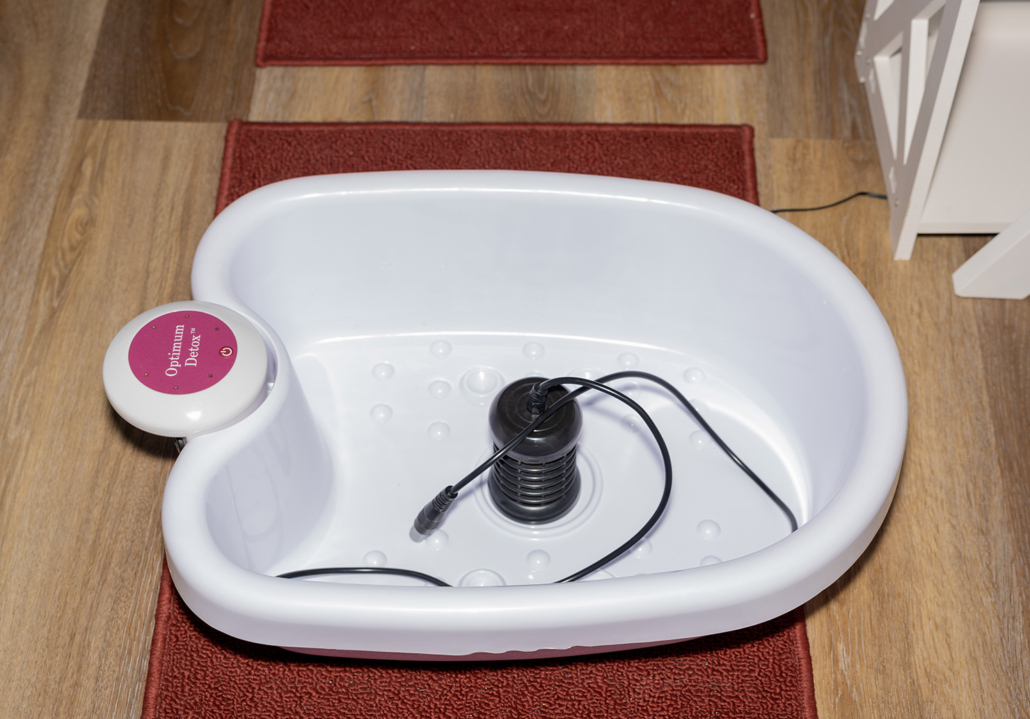
Ionic foot detox sessions fall into that category for many clients. People often choose them because they want a low-pressure treatment that feels calming and supportive. While experiences vary from person to person, services like this can be part of a broader self-care routine when the main goal is to create space to rest and reset.

The bigger point is that burnout recovery does not always begin with the most advanced treatment. Sometimes it begins with the one you will actually book, enjoy, and repeat.

How to choose the best wellness treatments for burnout

The best choice depends on what burnout feels like in your body. If your mind is racing and you feel overstimulated, quiet sensory treatments like salt therapy or guided rest may help most. If your body aches and sleep feels impossible, massage or heat-based care may be more effective. If you feel emotionally flat and disconnected, nurturing treatments like facials, scrubs, or a personalized wellness session may be the gentlest way back.

It also helps to think in layers. One treatment can calm you in the moment, but a rhythm of care tends to make a bigger difference. That might mean a salt cave session twice a month, a massage when tension builds, and simple at-home body care in between. Recovery usually looks steadier than that. Less rescue, more support.

If you have been running on empty for a while, choose treatments that ask very little of you while offering a clear sense of relief. Quiet environments, personalized attention, and services that support both stress relief and physical comfort often go furthest.

Burnout can make even rest feel hard to reach. Sometimes the kindest next step is choosing one wellness experience that gives you room to breathe, soften, and feel cared for again.

Halotherapy for Seasonal Congestion Relief

Halotherapy for Seasonal Congestion Relief

When the weather shifts in Virginia, congestion has a way of settling in fast. One week it is pollen, the next it is dry air, and suddenly your head feels heavy, your nose feels blocked, and even resting can feel like work. Halotherapy for seasonal congestion has become a comforting option for people who want support that feels natural, relaxing, and easy to fit into a busy routine.

Why seasonal congestion can feel so draining

Seasonal congestion is not always dramatic, but it can wear you down. You may notice pressure around your eyes, a stuffy nose that comes and goes, post-nasal drip, or that foggy feeling that makes it hard to focus. For many people, it also affects sleep, energy, and patience.

The challenge is that congestion often shows up alongside everything else life is already asking of you. Work does not slow down. Family responsibilities are still there. You still want to feel like yourself. That is why many wellness-minded adults look for options that support breathing comfort while also giving the body and mind a chance to rest.

What is halotherapy for seasonal congestion?

Halotherapy, often called salt therapy, is a wellness service that uses dry salt particles dispersed into the air in a dedicated space such as a salt room or salt cave. During a session, you simply sit back and breathe normally while the fine salt circulates through the room.

People often choose halotherapy for seasonal congestion because it offers two things at once. First, it supports a clearer, more comfortable breathing experience. Second, it creates a calm environment where your nervous system can slow down. If your congestion tends to feel worse when you are tired, tense, or overextended, that added sense of relaxation can matter more than people expect.

This is one reason the experience appeals to both first-time visitors and long-time wellness clients. It does not ask much from you. You do not need to learn a complicated routine or commit to something intense. You arrive, settle in, and give yourself a quiet block of time to breathe.

How salt therapy may help you feel clearer

Many guests describe a salt session as a reset for heavy, stuffy days. The dry salt environment is often sought out for its ability to support the respiratory system and encourage a more open feeling in the airways. For someone dealing with seasonal sinus pressure or recurring stuffiness, that can be the main draw.

There is also a comfort factor that should not be overlooked. Warm, nurturing spaces tend to help people release tension in the face, jaw, neck, and shoulders. That matters because congestion rarely feels isolated to the nose alone. It can create an overall sense of tightness and fatigue. A relaxing session may help soften that experience.

Of course, results are personal. Some people notice they feel lighter after one visit. Others feel the biggest difference when sessions become part of a regular wellness rhythm during high-pollen months or seasonal transitions. Like many supportive self-care services, it can be less about a dramatic one-time fix and more about steady care.

What a session usually feels like

If you have never tried salt therapy before, the idea can sound more mysterious than it really is. In most cases, the session is simple and quiet. You enter a softly designed room, get comfortable in a chair, and breathe as dry salt is released into the air. Many people read, meditate, rest, or simply enjoy having nowhere to be for a little while.

The environment is part of the value. A boutique salt cave experience feels different from trying to squeeze in one more errand. It gives you permission to pause. For working professionals, caregivers, and anyone carrying daily stress, that calm can feel just as welcome as the breathing support.

You may notice a subtle salty taste in the air or a different sensation in your nose and throat as you breathe. Most people find the process easy and gentle. The best approach is to come in comfortable clothing, settle in, and allow the time to be restorative rather than productive.

Halotherapy for seasonal congestion and stress go hand in hand

One of the most overlooked parts of seasonal discomfort is how frustrating it can be. When you cannot breathe comfortably, sleep deeply, or think clearly, your stress level tends to rise. Then your body feels more tense, and the whole cycle becomes harder to break.

That is where halotherapy stands apart from quick convenience solutions. It is not only about the salt in the air. It is also about the atmosphere around the experience. A quiet room, supportive care, and uninterrupted downtime can help you shift out of rush mode for a while.

For many guests, this combination is what makes the session feel worthwhile. They are not just looking for a service. They are looking for relief that feels caring, not clinical. They want to leave feeling more open, more rested, and more like themselves.

When salt therapy makes the most sense

Halotherapy can be especially appealing during spring pollen season, fall leaf changes, or winter months when indoor heat leaves the air feeling dry. It may also be useful if you tend to notice repeat stuffiness during weather swings or after spending time outdoors.

That said, expectations matter. If your congestion is severe, tied to an illness, or accompanied by symptoms that concern you, wellness services should not replace medical care. Salt therapy is best understood as supportive self-care, not a cure-all. The people who tend to love it most are those who want a gentle, non-invasive addition to their overall wellness routine.

It also helps to think about timing. Some guests book when symptoms first start to build, while others come regularly through their hardest season. There is no single right schedule. It depends on your body, your lifestyle, and how your congestion typically shows up.

Making your session work better for you

A little preparation can help you get the most from the experience. Arriving hydrated, breathing comfortably through the session, and giving yourself a few minutes afterward instead of rushing back into the day can make a difference. If you are squeezing the appointment between meetings, you may still enjoy the salt therapy, but you might miss some of the deeper relaxation that helps the experience feel complete.

It can also be helpful to notice patterns. Do you feel more congested after yard work, on high-pollen days, or when the seasons first change? Knowing your triggers can help you decide when to schedule support. Wellness works best when it is responsive, not random.

For some people, the experience pairs naturally with other forms of self-care. A calming evening routine, time away from screens, and thoughtful body care can extend that renewed feeling after a session. That is part of what makes a wellness space like Relax, Release, Renew Salt Cave so appealing – the focus is not just on one moment of relief, but on creating a whole experience of care.

Is halotherapy right for everyone?

Halotherapy is approachable for many adults, but it is still personal. If you enjoy quiet wellness experiences, prefer natural-feeling support, and want a break from the constant push of the day, it may be a very good fit. If you are looking for an instant answer to every symptom, you may need a broader plan.

That trade-off is worth being honest about. Salt therapy shines when people come to it with realistic expectations and a desire for ongoing care. It is a gentle service, not an aggressive one. For many, that is exactly the point.

Beginners often appreciate how low-pressure the experience feels. You do not need to be a wellness expert. You just need to be open to giving yourself time to rest and breathe. And for those who already value regular self-care, halotherapy can become a seasonal favorite that supports both physical comfort and emotional reset.

When your head feels full, your breathing feels restricted, and the season seems determined to wear you out, a quiet hour of salt therapy can feel like a small act of kindness to yourself. Sometimes that is where feeling better begins.

Is a Salt Cave for Sleep Support Worth It?

Is a Salt Cave for Sleep Support Worth It?

Falling asleep when your mind is still running, your nose feels stuffy, or your body cannot seem to let go is frustrating in a very specific way. That is why many people start looking beyond the usual advice and wonder whether a salt cave for sleep support could help them settle down more naturally.

The short answer is that it can be a helpful part of a sleep routine for some people, especially if stress, congestion, or general overstimulation are getting in the way of rest. A salt cave is not a magic fix, and it is not a treatment for every sleep issue. What it does offer is something many adults in the Richmond and Mechanicsville area are missing – a quiet environment that encourages the body to slow down, breathe more comfortably, and rest without demands.

How a salt cave for sleep support may help

A salt cave session is less about forcing sleep and more about creating the conditions that make sleep easier later. The room is calm. The lighting is gentle. The air feels different. For many guests, that shift alone is enough to take them out of the constant alert mode that builds up during a busy week.

Stress is one of the biggest reasons people struggle to fall asleep, even when they are exhausted. When your nervous system has been switched on all day, bedtime does not always feel restful. It can feel like one more task to complete. Sitting quietly in a salt cave gives your body a chance to practice being still again. That can carry over into the evening, especially when regular sessions become part of a larger self-care rhythm.

Breathing also matters more than most people realize. If you deal with seasonal irritation, mild congestion, or that heavy feeling in your sinuses at night, sleep can become lighter and more interrupted. Dry salt therapy is often chosen by people who want support for easier breathing and respiratory comfort. While individual experiences vary, some guests say they feel clearer and more open after a session, which can make bedtime feel less uncomfortable.

Then there is the emotional side of rest. Good sleep is not only physical. It is also about feeling safe enough to release the day. A peaceful environment, soft quiet, and uninterrupted time can help create that reset. Sometimes the body needs a transition, not a trick.

What a session actually feels like

If you have never visited a salt cave before, it helps to know what to expect. Most people are pleasantly surprised by how simple the experience is. You are not asked to do anything complicated. You settle into a comfortable chair, breathe normally, and let yourself be still.

The room is designed to feel peaceful rather than clinical. That matters. For someone seeking better sleep, the environment itself is part of the support. Instead of bright lights, noise, and rushing, you get a quiet pocket of time that feels separate from the rest of life.

Some people become deeply relaxed during the session. Others stay awake but notice their shoulders drop, their breathing slow, and their thoughts soften. Both responses are useful. If your goal is better sleep later, you do not need to fall asleep in the cave for the session to be worthwhile.

At Relax, Release, Renew Salt Cave, that sense of comfort and personal care is part of what makes the experience approachable. For many guests, simply having a calm space already prepared for them removes a layer of effort that often keeps self-care from happening at all.

Why relaxation can improve sleep even when nothing else changes

People often assume sleep support has to be direct to be effective. They want one thing that knocks out the problem. In reality, better sleep is often built from indirect support – less tension, easier breathing, fewer racing thoughts, and more consistent transitions into rest.

That is where a salt cave can fit beautifully. It gives your body a low-pressure chance to unwind before bedtime becomes a struggle. If you are a caregiver, a busy professional, or someone who feels mentally “on” all day, that pause can be surprisingly meaningful.

There is also value in ritual. When you regularly make time to step away from your screens, errands, and responsibilities, your body starts recognizing that shift. A salt cave visit can become part of that pattern. Maybe it is a late afternoon reset after work. Maybe it is an evening appointment that helps you move into a quieter pace before bed. The exact timing depends on your schedule, but the principle stays the same.

When a salt cave for sleep support makes the most sense

This kind of wellness support tends to be most appealing when sleep struggles are tied to stress, congestion, or difficulty winding down. If your evenings feel overstimulated and your body never quite gets the message that the day is over, a calming salt session may feel like a natural fit.

It can also be a good option for people who want non-invasive, gentle support. Many adults are not looking for another complicated routine. They want something that feels restorative, simple, and realistic to maintain.

That said, it depends on what is driving your sleep issues. If your sleep problems are severe, ongoing, or linked to a diagnosed condition, a salt cave should be seen as a supportive wellness experience, not a substitute for medical care. The most helpful approach is often layered. You may benefit from better sleep habits, stress management, and wellness services that help your body relax more consistently.

How to make the experience more effective for sleep

If you want to try a salt cave for sleep support, a little intention can go a long way. Going straight from a loud, rushed day into a session and then back into full stimulation may limit the benefits. The goal is to let the calm continue.

Try scheduling your session later in the day if possible. Afterward, keep the evening gentle. Eat a simple dinner, dim the lights, and give yourself less screen time than usual. Even one quieter night can help you notice whether the session changes the way you feel at bedtime.

Consistency matters too. One session can feel wonderful, but ongoing wellness practices usually work best when they are repeated. If you find that you leave feeling calmer, clearer, and less tense, regular visits may offer more noticeable support over time.

It also helps to pay attention to your own patterns. Some people respond most strongly to the stress relief piece. Others notice the biggest difference in their breathing comfort. Your version of better sleep may not look exactly like someone else’s, and that is okay.

What a salt cave can and cannot do

A warm, honest answer is better than an overpromise. A salt cave can create a deeply relaxing experience and may support easier breathing and a calmer bedtime routine. For many people, that is meaningful. It can be the difference between going to bed wound tight and going to bed ready to rest.

What it cannot do is guarantee sleep or solve every reason you are tossing and turning. Sleep is personal. Hormones, stress, schedules, caffeine, health conditions, and environment all play a role. That does not make salt therapy less valuable. It simply means it works best as part of a thoughtful wellness picture rather than as a one-step answer.

For guests who are looking for a natural-feeling way to reset, though, the appeal is easy to understand. The experience is quiet, comforting, and restorative. It gives you space to breathe, which is something many people do not realize they have been missing until they finally slow down.

If your evenings have started to feel more draining than restful, it may be worth giving yourself a different kind of support. Sometimes better sleep begins with one calm hour that reminds your body how to soften.