
Salt Cave vs Sauna: Which Feels Better?
Some days, your body does not ask for a workout or another errand. It asks for relief. If you have been weighing salt cave vs sauna, the better choice often comes down to what kind of reset you need most – easier breathing, deep warmth, quiet rest, or a little of each.
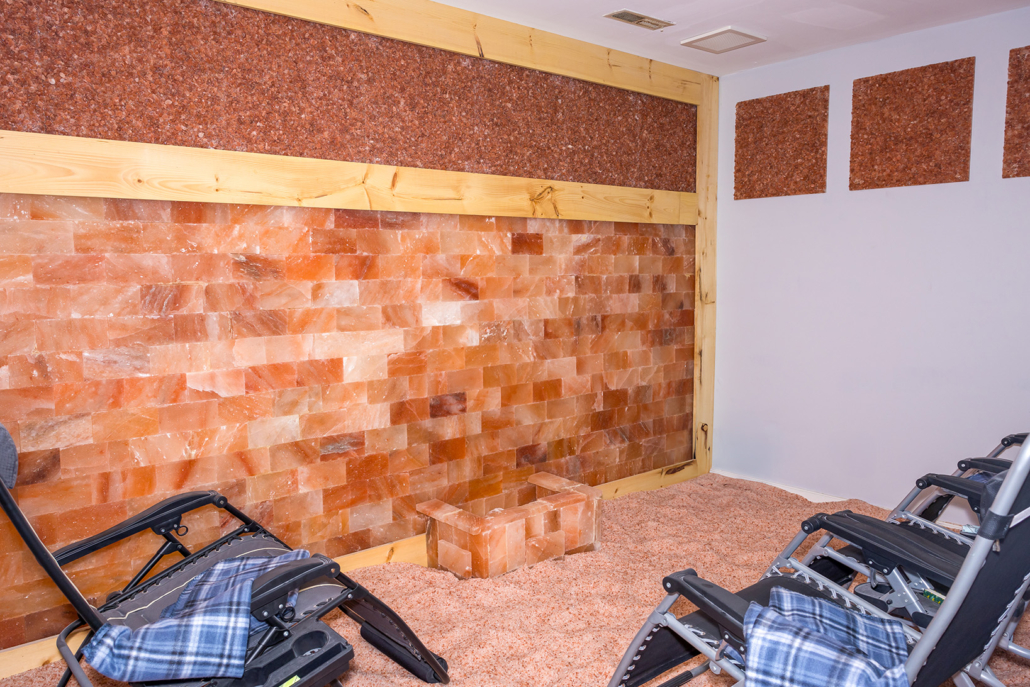
Both experiences can feel restorative, but they work in very different ways. A sauna surrounds you with heat that encourages sweating and a loosened-up, full-body exhale. A salt cave offers a calm, dry environment where microscopic salt particles are dispersed into the air, creating a gentle session that many people choose for respiratory comfort, relaxation, and skin support.
For wellness-minded adults around Mechanicsville and the greater Richmond area, this is usually not a question of which one is “better” across the board. It is more personal than that. The right fit depends on your comfort level, your goals, and how you want to feel when the session is over.
Salt cave vs sauna: the core difference
The biggest difference in salt cave vs sauna is the environment itself. A sauna is heat-based. You sit in a hot room, often with dry or humid heat depending on the style, and your body responds by warming up, sweating, and relaxing into that intensity.
A salt cave is not built around heat. It is built around stillness, comfort, and dry salt-infused air. Instead of pushing your body into a high-heat experience, it invites you to settle in. Many guests describe it as a quieter kind of wellness support – less intense, more soothing, and easier to enjoy if you do not love high temperatures.
That difference matters more than it may seem at first. Some people leave a sauna feeling recharged and physically loose. Others leave feeling overheated, tired, or simply relieved to be back in normal air. In a salt cave, the experience is usually gentler from beginning to end.
When a salt cave may be the better fit
If your main goal is breathing comfort, a salt cave often makes more sense than a sauna. Dry salt therapy is especially appealing to people who deal with seasonal irritation, sinus congestion, or that heavy, stuffy feeling that lingers when the air around you feels unhelpful. The environment is calm and easy to sit in, which can be a relief all by itself.
This option also tends to feel approachable for people who are new to wellness services. You do not have to tolerate intense heat. You do not need to worry about whether you can stay in long enough to get the benefit. You simply settle into a peaceful session and let your body rest.
Skin can be part of the equation too. While a sauna may leave some people with that fresh, post-sweat glow, heat can also feel drying or irritating depending on your skin type. A salt cave appeals to many guests who want skin-focused self-care in a less aggressive setting, especially when paired with moisturizing body care afterward.
For stress relief, a salt cave has its own kind of value. The atmosphere is quiet, the pace is slow, and the expectation is not to push through discomfort. If your nervous system feels worn down, that softer experience may be exactly what helps you reset.
When a sauna may be the better fit
A sauna can be wonderful if what you crave is heat. There is a reason so many people associate it with releasing tension. Warmth can help your muscles feel looser and your body feel lighter, especially after exercise, long workdays, or too much time sitting.
For some guests, sweating feels satisfying. It creates the sense that the body is actively working through stress and heaviness. If you enjoy that feeling of full-body warmth and do well in hot environments, a sauna may feel invigorating in a way a salt cave does not aim to replicate.
That said, heat is not automatically a positive for everyone. If you are already drained, prone to overheating, or sensitive to stuffy warmth, a sauna can feel like too much. What sounds relaxing in theory may feel physically demanding in practice.
Salt cave vs sauna for stress relief
Stress relief is one of the main reasons people book both experiences, but the kind of relief they offer is different. A sauna tends to provide active physical release. Your body warms up, muscles soften, and you step out feeling like you have shed a layer of tension.
A salt cave is often more about settling the mind and body at the same time. The room is designed for stillness. There is no pressure to endure anything. For caregivers, busy professionals, and anyone who spends most of the day responding to other people, that can feel deeply restorative.
If your stress shows up as tight shoulders, exercise soreness, or a need to physically warm up, the sauna may be the natural choice. If your stress shows up as mental fatigue, irritability, shallow breathing, or the feeling that you never quite get a real pause, the salt cave may meet you more gently.
Which is more comfortable?
Comfort matters more than wellness trends sometimes admit. The experience that helps one person unwind may make another person count the minutes until it is over.
A sauna asks you to be comfortable with heat, and sometimes a lot of it. If you love that cocooned feeling, wonderful. If you do not, it can become a barrier to enjoying the session at all.
A salt cave is usually easier for a wider range of people to enjoy. The environment is calm, quiet, and not physically intense. That can make it especially appealing if you are trying a new self-care service for the first time or want something you can return to regularly without dreading the process.
This is one reason many guests gravitate toward halotherapy as part of an ongoing wellness routine. It feels manageable. It feels peaceful. And for many people, consistency is easier when the experience itself is inviting.
Can you choose both?
You can, depending on your preferences and overall wellness routine. Some people enjoy sauna sessions for muscle relaxation and choose salt therapy when they want respiratory support or a quieter reset. The two experiences are not direct substitutes in every case.
Still, if you are choosing where to start, it helps to be honest about what your body has been asking for lately. If you feel tense, chilled, or sore, heat may sound appealing. If you feel depleted, congested, overstimulated, or simply in need of stillness, a salt cave may be the more comforting first step.
Salt cave vs sauna for everyday wellness
For everyday wellness, the best choice is often the one you will actually look forward to booking again. This is where personal preference becomes practical. An experience does not need to be dramatic to be effective. Sometimes the service that supports you most is the one that fits easily into real life.
A boutique salt cave experience can be especially meaningful for people who want wellness to feel personal rather than clinical. Instead of pushing through heat or chasing intensity, you are giving yourself a quieter kind of care. That approach resonates with many people who are balancing work, family, and the steady pace of daily responsibilities.
At Relax, Release, Renew Salt Cave, that sense of care is part of the experience. The goal is not to overwhelm you with complicated wellness language. It is to offer a space where you can breathe, rest, and leave feeling more like yourself.
How to decide what is right for you
Ask yourself a few simple questions. Do you enjoy heat, or do you usually avoid it? Are you hoping for muscle-focused relaxation, or are you more interested in respiratory comfort and calm? Do you want a more intense physical experience, or something gentle enough to feel restorative from the moment you settle in?
There is no wrong answer here. Wellness is personal, and the best results often come from choosing what feels supportive to your body, not what sounds impressive on paper. A sauna can be powerful in the right moment. A salt cave can be exactly the kind of relief a busy, overstimulated person has been missing.
If you are torn between the two, start with the experience that feels easiest to say yes to. The best self-care is often the kind that welcomes you in, helps you exhale, and gives your body room to soften.